
 Committed to promoting meaningful and sustainable travel experiences, we are proud to highlight agri-tourism, an initiative designed to bridge cultures through innovative, eco-conscious farming practices. This collaboration offers Japanese travelers an authentic opportunity to engage directly with Kenya’s dynamic agricultural landscape while learning about sustainable food production systems that are shaping the future of global farming. In recent years, Japanese tourists have shown growing interest in travel experiences that go beyond sightseeing. Many seek immersive journeys that connect them to local communities and promote environmental awareness. Recognizing this shift, our partnership focuses on agri-tourism experiences that merge education, cultural exchange, and environmental responsibility. Kenya, with its rich agricultural heritage and rapidly advancing sustainable farming techniques, provides the ideal destination for this new wave of responsible tourism. Through the Kenya agri-tourism partnership across Asia, we connect China, Japan, and Korea-based travelers with Kenyan eco-farms that exemplify green agricultural innovation. These farms practice regenerative agriculture, agroforestry, organic crop management, and climate-smart techniques that improve soil health and enhance biodiversity. Visitors gain hands-on experience in farm operations, planting, harvesting, composting, and soil restoration, while learning how these practices contribute to long-term food security. Each experience is guided by local farmers and agricultural experts who share firsthand knowledge about adapting to changing climate conditions and maintaining sustainable livelihoods. As the facilitating service, our role is to ensure a seamless and educational journey. We design curated programs that balance learning with cultural interaction. Travelers can stay in rural homesteads, participate in local food preparation, and explore traditional markets. This structure enables participants not only to witness Kenya’s agricultural transformation but also to build genuine connections with the communities driving it. In turn, Kenyan farmers benefit from knowledge exchange with Japanese participants, who often bring insights from Japan’s own sustainable urban farming and technological innovations. The partnership also serves a broader purpose: promoting climate-resilient agriculture as a shared global priority. By enabling direct learning experiences, we foster awareness of how sustainable farming techniques can mitigate environmental challenges such as soil degradation, water scarcity, and biodiversity loss. This program transforms travel into a platform for education and global collaboration, aligning tourism with the United Nations Sustainable Development Goals (SDGs), particularly those related to responsible consumption, climate action, and partnerships for sustainability. Ultimately, Tokyo-Kenya agri-tourism partnership showcasing sustainable farming innovations represents more than just travel, as it is a practical initiative to inspire responsible engagement between two regions committed to innovation and environmental stewardship. Through our services, Japanese travelers are not only exposed to Kenya’s pioneering agricultural methods but also empowered to bring back ideas that can influence sustainable practices at home. Together, we are building a model of agri-tourism that strengthens communities, protects ecosystems, and demonstrates how international cooperation can lead to real progress in sustainable farming and ecological awareness.
Comparative Overview of Japan–Kenya Agri-Tourism Partnership Features
| Feature | Japan (Tokyo Visitors) | Kenya (Host Farms & Projects) |
|---|---|---|
| Core Interest | Agri-education, sustainability, cultural exchange | Eco-tourism development, innovation exposure |
| Farming Techniques Shared | Hydroponics, composting, vertical farming | Agroforestry, permaculture, regenerative farming |
| Ideal Visit Period | November to March (dry season in Kenya) | Year-round for showcasing diverse crop cycles |
| Languages Supported | Japanese, English | English, Kiswahili, some Japanese interpreters |
| Key Locations | Tokyo, Hokkaido (origin) | Kiambu, Nakuru, Kericho, Embu, Machakos |
Agri Tourism Innovations between Tokyo and Kenya's Sustainable Farms
 Agri tourism innovations between Kenya and Asian countries stand as a practical initiative that connects Japan’s advanced agricultural expertise with Kenya’s rich and diverse farming culture. This program has been developed to create a direct link between Tokyo’s innovative, space-efficient agricultural technologies and Kenya’s vast, sustainability-focused farming systems. Our goal is to bridge these two agricultural environments through responsible, experience-driven tourism that benefits both visitors and host communities. Through this collaboration, we introduce Tokyo-based travelers and agricultural enthusiasts to Kenya’s sustainable farms that operate with community-led principles. Visitors are not only spectators; they take part in active, hands-on learning that involves real farming practices such as soil regeneration, organic composting, seed preservation, and water management. These immersive experiences enable participants to understand how sustainability is implemented daily within rural Kenyan farms. Our model promotes responsible travel and contributes to capacity building in local communities by providing an educational exchange grounded in practicality and respect for local knowledge. Kenya’s year-round growing climate and biodiversity provide an ideal setting for demonstrating sustainable food systems. Visitors from Tokyo, where urban agriculture is often constrained by space, are exposed to new opportunities for scalable farming methods that can be adapted to both rural and metropolitan environments. They gain direct insight into key sustainable techniques, including rainwater harvesting, agroforestry, renewable energy integration, and community-based cooperative management. The experience allows them to see how Kenya’s eco-farms maintain production while preserving environmental balance and cultural values. In turn, Kenyan farmers and agricultural partners benefit from Japanese innovation, particularly in precision farming, resource efficiency, and small-space cultivation. Through organized workshops and field collaborations, we facilitate the exchange of practical tools and management approaches that enhance productivity while minimizing waste. This knowledge transfer builds resilience in local food systems and supports the development of climate-smart agriculture practices. By combining Japan’s technical advancements with Kenya’s ecological diversity, our service fosters an innovative agricultural tourism model that enhances sustainability and mutual economic growth. Our agri-tourism framework emphasizes inclusivity, knowledge sharing, and sustainability as central components of development. Visitors leave with a comprehensive understanding of sustainable agriculture’s global potential, while local farmers gain exposure to emerging international practices. Together, these interactions create a two-way learning environment that supports long-term partnerships between Tokyo-based organizations, research institutions, and Kenyan farming communities. Agri tourism innovations between Tokyo and Kenya's sustainable farms is not only a travel experience, it is a collaborative platform for agricultural innovation, environmental education, and sustainable development. By aligning tourism with sustainability, our service promotes responsible engagement and drives progress within the global agri-tourism sector. Through structured learning, cultural appreciation, and mutual growth, we aim to strengthen the connection between Japan and Kenya, demonstrating how international collaboration can redefine the future of sustainable farming and community-centered tourism.
What Is the Tokyo to Kenya Sustainable Farming Innovation and Tourism Exchange?
Sustainable farming innovation showcases for Tokyo eco-travelers in Kenya are programs developed and operated by our organization to create a meaningful bridge between Japan’s urban travelers and Kenya’s progressive eco-farming communities. Our mission is to connect Tokyo-based tourists with authentic, hands-on experiences that combine sustainable agricultural learning with responsible tourism. This exchange is designed to promote mutual understanding, capacity building, and the advancement of sustainable farming systems that benefit both visiting participants and local communities. Our collaboration brings together Japanese tourism agencies, agricultural experts, and certified Kenyan eco-farm projects. Together, we facilitate structured placements that enable participants to engage directly with innovative farming methods. These farms are carefully selected to meet sustainability standards, ensuring that all practices showcased are environmentally responsible and socially beneficial. Participants are guided through practical sessions and field demonstrations that highlight real-world applications of eco-friendly agriculture. The tourism exchange allows participants to experience firsthand:
- Soil-friendly crop rotation systems: Tourists are introduced to crop rotation models that maintain soil fertility and reduce dependency on synthetic fertilizers. The program emphasizes how local Kenyan farmers utilize rotational methods to balance nutrient cycles and enhance long-term productivity.
- Organic pest control methods: Visitors observe the use of natural pest management techniques that rely on biological control, companion planting, and natural repellents rather than harmful chemicals. This segment offers valuable lessons on maintaining healthy ecosystems while ensuring crop protection.
- Rainwater harvesting and drip irrigation: Participants gain exposure to water conservation strategies widely practiced in Kenyan farms. Through practical demonstrations, they learn how rainwater harvesting systems and drip irrigation technologies improve water efficiency and support agricultural resilience in semi-arid regions.
- Indigenous knowledge integrated with climate-smart agriculture: The exchange highlights how indigenous farming traditions are being harmonized with modern climate adaptation strategies. Visitors witness the role of traditional wisdom in enhancing soil health, conserving biodiversity, and adapting to changing weather conditions.
By joining this exchange, Tokyo-based tourists gain a comprehensive understanding of sustainable farming operations within a real community context. Each guided placement combines education with meaningful engagement, offering tourists an opportunity to compare Kenya’s agricultural practices with Japan’s evolving sustainability efforts. The experience also encourages participants to reflect on how Japan can adopt and adapt certain principles of eco-farming to meet its own environmental goals. Our objective is not only to facilitate immersive Kenya eco-agriculture tourism programs for tourists from Japan, but also to foster cross-cultural learning and long-term collaboration between Japanese visitors and Kenyan agricultural innovators. The exchange acts as a platform for shared progress, encouraging knowledge transfer, innovation, and advocacy for global sustainability. Through this initiative, we contribute to strengthening environmental awareness, responsible travel, and international cooperation, demonstrating how tourism can serve as a powerful tool for sustainable development.
Tokyo–Kenya Agricultural Exchange Promoting Eco-Friendly Tourism
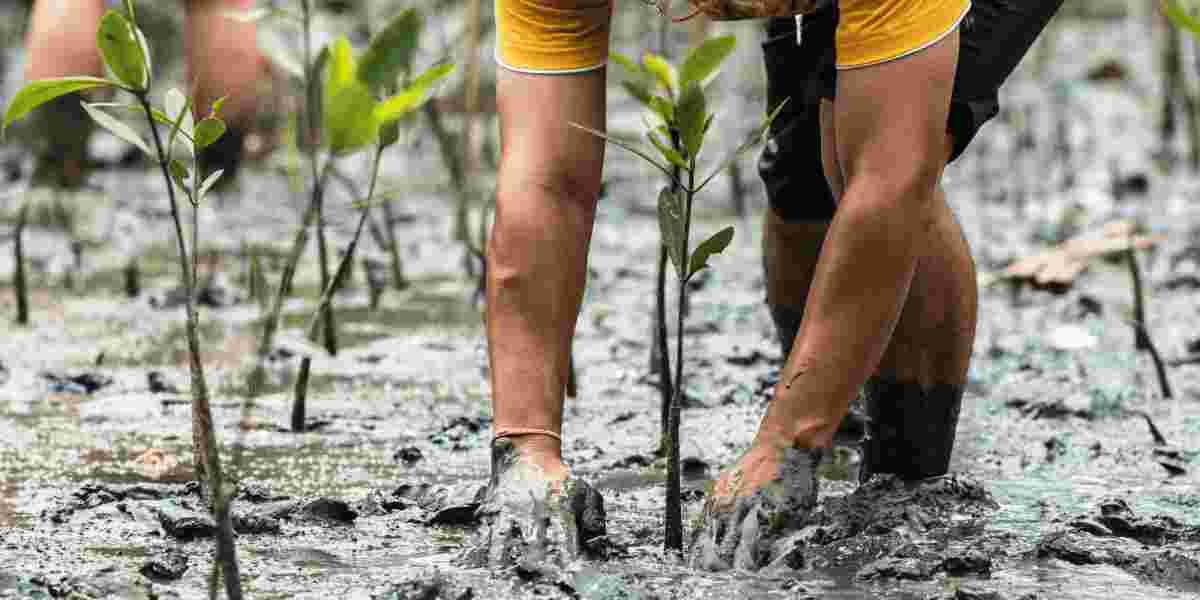 At our service, we are leading the Kenya agricultural exchange in Asia, a strategic initiative designed to link sustainable agriculture with environmentally responsible tourism. This program is more than an international partnership; it is a framework for learning, innovation, and eco-friendly collaboration between Japan and Kenya. As the global demand for purposeful travel grows, we are creating meaningful opportunities for individuals and groups to engage directly in regenerative farming, cultural exchange, and sustainable community development. Our initiative is centered on connecting Tokyo-based travelers with Kenya’s diverse agricultural ecosystems. Kenya is home to a wide range of eco-farms and community-based agricultural programs that focus on soil regeneration, low-impact food production, and resource conservation. Through guided visits and immersive volunteer experiences, participants gain practical exposure to methods such as composting, intercropping, and rainwater harvesting. These practices help reduce environmental impact while strengthening food security and climate resilience, principles that align closely with Japan’s growing sustainability priorities. We facilitate the entire exchange process, from educational workshops in Tokyo to field experiences in Kenya’s farming regions. Japanese visitors not only observe and participate in local techniques but also share their own knowledge of efficiency, organization, and technological innovation. This reciprocal learning fosters a dynamic, two-way exchange that strengthens agricultural capacity on both sides. Kenyan farmers, in turn, gain insights into precision agriculture, waste reduction systems, and scalable sustainability models derived from Japan’s agricultural advancements. Our goal is to promote eco-friendly tourism as a driver of rural empowerment. By integrating agricultural learning into tourism, we offer travelers an opportunity to contribute meaningfully to local development while experiencing Kenya’s vibrant landscapes and cultures. The exchange builds awareness around climate-smart farming and deepens visitors’ appreciation for the environment as a shared global resource. Every journey under this program supports community resilience and promotes a more responsible form of travel that benefits both host and guest. In addition, our Tokyo–Kenya partnership is reshaping the narrative of modern tourism. Rather than promoting short-term leisure, it emphasizes sustainable impact and long-term collaboration. Participants return home with practical agricultural knowledge, renewed environmental consciousness, and stronger global connections. Communities in Kenya benefit from increased visibility, access to new agricultural technologies, and ongoing partnerships that help stabilize rural economies. By facilitating this initiative, we position ourselves not only as travel coordinators but as partners in global sustainability and innovation. Tokyo–Kenya agricultural exchange promoting eco-friendly tourism represents a scalable model for eco-friendly tourism that integrates education, environmental stewardship, and economic development. Each experience contributes to the creation of sustainable food systems, the strengthening of cultural bonds, and the advancement of green tourism as a key pillar of international cooperation. Ultimately, this exchange is more than a cultural or agricultural venture, it is a shared journey toward a sustainable future. Through our coordinated efforts, we are building a bridge between Tokyo and Kenya that celebrates learning, environmental care, and community growth, ensuring that eco-friendly tourism truly becomes a force for global good.
Why Are Tokyo Visitors Attracted to Kenya’s Eco-Agriculture Tourism and Green Farming Initiatives?
As a service promoting agri-tourism itineraries tailored for Tokyo visitors exploring Kenyan farms, we have observed a steady rise in interest from visitors. The attraction is driven by several social, environmental, and educational factors that align perfectly with the evolving mindset of Japanese travelers who are increasingly conscious of sustainability and global environmental responsibility. Visitors from Tokyo are drawn to eco-agriculture tourism initiatives for several reasons. Japan's dense urban life offers limited exposure to large-scale farming. Tokyo’s urban lifestyle is fast-paced and heavily industrialized, with minimal opportunities for residents to experience agriculture firsthand. Our programs in Kenya provide an authentic, hands-on encounter with nature, something that is rarely accessible in Japan. Many Tokyo residents seek a temporary escape from concrete environments to reconnect with natural systems, rural life, and ecological balance. Kenyan landscapes provide a rich, diverse ecosystem that supports varied agricultural techniques. Kenya’s agricultural regions, from the highlands to the savannah, offer a diversity of climates and soil types that sustain a wide range of crops and farming practices. This biodiversity fascinates Tokyo visitors who are eager to learn about organic and regenerative farming methods that work in harmony with the environment. As a service provider, we facilitate these immersive experiences where guests witness firsthand how ecological diversity influences sustainable production and local livelihoods. Many Japanese youths and professionals are increasingly concerned with climate change and food ethics. Environmental consciousness is rapidly growing in Japan, particularly among the younger generation and professionals seeking more sustainable lifestyles. Kenya’s eco-agriculture initiatives offer these visitors a meaningful opportunity to engage in responsible tourism that supports environmental conservation and ethical food production. Through our organized programs, participants not only observe but also take part in sustainable practices, understanding the direct link between agriculture, ecology, and climate resilience. Kenya offers an English-speaking, open culture that welcomes learning exchanges. Cultural exchange is a major attraction for Tokyo visitors. Kenya’s hospitable and English-speaking environment makes it easy for guests to communicate, share knowledge, and collaborate with local farmers. As a service provider, we ensure that our visitors experience authentic Kenyan culture while participating in educational and skill-sharing sessions that strengthen global connections through agriculture. Common types of engagement include:
- Farm stays: Visitors immerse themselves in daily farm life, living alongside local families and contributing to routine agricultural tasks.
- Organic produce harvesting: Guests participate in harvesting activities, gaining direct insight into organic farming systems and sustainable crop cycles.
- Renewable energy use in agriculture: Our programs highlight the use of solar, wind, and biogas energy in farming, demonstrating Kenya’s commitment to reducing carbon footprints.
- Farmer-led workshops: Local experts guide visitors through workshops on sustainable techniques such as composting, permaculture, and soil regeneration.
Needless to say, visitors are increasingly attracted to Japanese tourist farm stay placements in Kenya with sustainable agriculture because these programs provide more than just a travel experience; they offer education, transformation, and a tangible contribution to a global sustainability movement. We are proud to bridge this connection between Kenya’s green potential and Tokyo’s growing demand for meaningful, environmentally responsible tourism.
Japan–Kenya Sustainable Agri Tourism Farming Partnership Showcase
 We proudly present the agri-tourism farming initiative, a pioneering initiative designed to connect Japan’s environmentally conscious travelers with Kenya’s thriving landscape of sustainable agriculture. This program represents a direct, purposeful collaboration between two nations committed to environmental responsibility, cultural exchange, and the future of regenerative farming. Our partnership offers Tokyo-based travelers a unique opportunity to move beyond conventional tourism and experience the real foundations of sustainable food systems. Participants are invited to take part in everyday farming activities within Kenya’s vibrant agricultural communities, learning firsthand how eco-friendly methods contribute to food security and rural development. The program promotes hands-on involvement, guests do not simply watch but engage in composting, organic planting, natural irrigation, and waste recycling techniques guided by local experts. The Japan–Kenya agri-tourism showcase is a platform for mutual growth and shared knowledge. Japan’s strong interest in food ethics, climate-conscious living, and responsible consumption complements Kenya’s goals for community-based agricultural innovation. Together, these shared priorities create a model of collaboration that enhances both visitor understanding and local empowerment. Each traveler returns home with practical insights that can be applied in urban settings, from sustainable kitchen gardens to waste reduction strategies. From our perspective as the coordinating service provider, this partnership is not only an exchange program but a working demonstration of applied sustainability. It bridges two economies, Japan’s advanced technological landscape and Kenya’s grassroots agricultural expertise, to deliver meaningful outcomes. Farmers benefit from global visibility and market access, while visitors gain direct exposure to the processes that sustain rural livelihoods. Through structured learning sessions, workshops, and cultural immersion, participants gain both agricultural skills and a deeper awareness of global environmental challenges. The showcase also strengthens cross-cultural cooperation. Japanese visitors are introduced to Kenya’s community-based approach, which emphasizes local ownership, resilience, and respect for the land. Meanwhile, Kenyan farmers gain exposure to Japanese methods of precision agriculture, resource efficiency, and cooperative business models. This reciprocal exchange promotes shared growth, ensuring that both sides acquire practical tools to advance sustainability within their respective contexts. Every aspect of the program, training design, farm selection, visitor logistics, and impact evaluation, is managed with transparency and measurable sustainability goals. We prioritize projects that demonstrate clear ecological benefits, such as improved soil health, reduced chemical dependency, and enhanced biodiversity. These outcomes are documented and shared through educational materials, ensuring that the program continues to serve as a learning resource beyond the travel experience. Ultimately, the Japan–Kenya sustainable agri-tourism farming partnership showcase represents a long-term commitment to sustainable development, food system innovation, and intercultural learning. Our mission is to facilitate meaningful travel that empowers both guests and host communities. This initiative transforms tourism into a channel for positive change, encouraging responsible travel, promoting sustainable livelihoods, and strengthening the global connection between people, planet, and production.
How Does the Cross-Cultural Agri-Tourism Partnership Promote Eco-Farming in Kenya?
The cross-cultural agri-tourism partnership plays a transformative role in advancing eco-farming practices in Kenya. We ensure the best Tokyo to Kenya sustainable agri-tourism travel experiences between local farming communities and international participants, particularly from Japan, to strengthen sustainable agricultural systems through cultural and technical exchange. This initiative is designed to integrate tourism, agriculture, and education into a single framework that benefits both visiting participants and host communities. The program is deeply community-rooted, focusing on participation rather than observation. Tourists visiting Kenyan eco-farming destinations actively engage in everyday agricultural activities. They take part in mulching, compost turning, seed planting, and harvesting. These practical experiences create mutual learning opportunities that encourage respect for local practices while introducing innovative techniques from abroad. By involving visitors in the actual farming process, the partnership not only promotes environmental awareness but also nurtures a global sense of responsibility for sustainable food systems. In return, host communities benefit from several tangible and long-term advantages:
- Cultural exposure to Japanese farming methods: Kenyan farmers gain insight into efficient, low-waste, and organic agricultural practices commonly applied in Japan. Techniques such as precision composting, integrated pest management, and sustainable water use are shared through demonstration and collaboration. This exposure enhances local capacity and aligns Kenyan eco-farming efforts with global sustainability standards.
- Increased tourism revenue: Agri-tourism introduces a new revenue stream for rural communities. Visitors pay for immersive experiences, accommodation, and local products, which boosts household income and supports community projects. The additional income also allows farmers to reinvest in eco-friendly infrastructure, including rainwater harvesting systems and organic seed nurseries.
- Exchange of practical knowledge and tools: The partnership facilitates the transfer of hands-on skills and agricultural technology. Japanese participants often contribute tools and introduce small-scale mechanization suited for organic farming. In turn, Kenyan farmers share indigenous knowledge about soil preservation, intercropping, and natural pest control. This two-way exchange enriches both parties and ensures that eco-farming remains practical and adaptable.
- Strengthened diplomatic and educational ties: The collaboration goes beyond farming to build lasting educational and diplomatic relationships between Kenya and Japan. Universities and agricultural institutions from both countries participate through student exchange programs, research initiatives, and joint projects focused on sustainability. This academic engagement strengthens global cooperation and encourages future investment in Kenya’s eco-farming sector.
Projects such as the “Grow With Us” regenerative farm in Kericho clearly demonstrate the positive outcomes of this partnership. Through collaboration with Japanese interns, the project has reported measurable increases in productivity and efficiency. The introduction of crop rotation planning, improved composting systems, and consistent soil testing has elevated yields without compromising environmental health. These results show how structured partnerships between local farmers and international participants can produce scalable and sustainable benefits. We are committed to expanding this model across more regions of Kenya. Japanese cross-cultural eco-farming exchange programs in Kenya have proven that combining eco-farming with experiential learning and tourism not only improves livelihoods but also positions Kenya as a global leader in sustainable agriculture and environmental stewardship.