
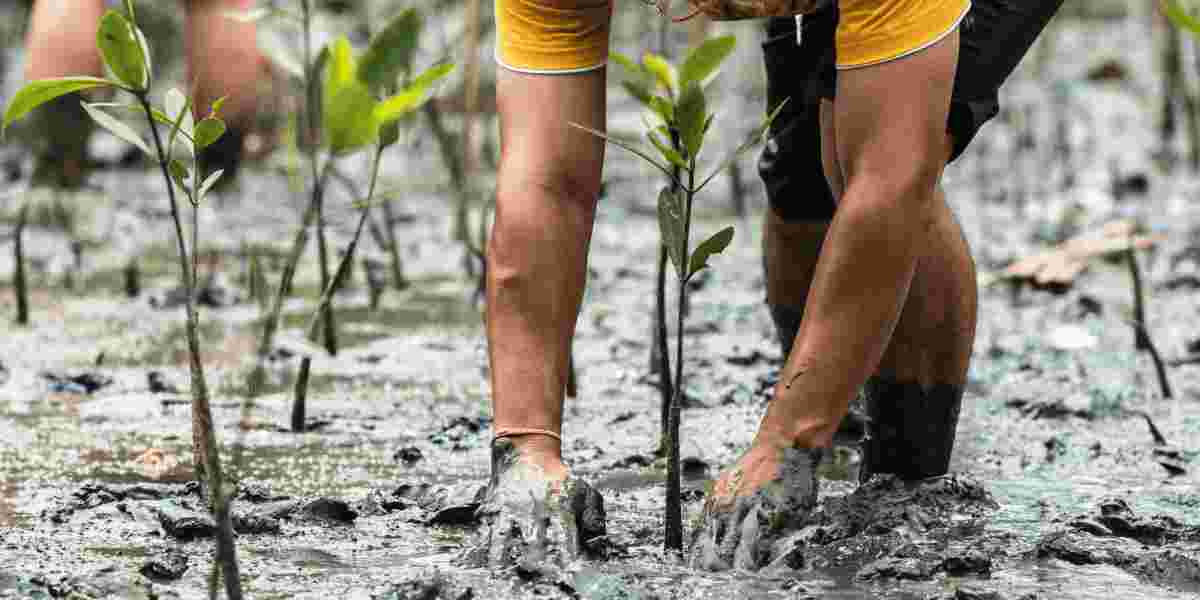
 We specialize in connecting travelers, students, agricultural professionals, and eco-enthusiasts from Beijing and across China with Kenya’s dynamic and diverse farming landscape. Our China-Kenya agrisafari tours are designed to offer a unique balance between agricultural learning and cultural immersion, an experience that moves far beyond typical travel itineraries. Kenya is one of Africa’s most productive and educational agricultural hubs. Its diverse climate zones, fertile soils, and innovative farming practices provide a living classroom for anyone seeking to understand how sustainable agriculture thrives in a real-world context. Through our tours, participants experience first-hand how Kenyan farmers cultivate crops responsibly, manage resources efficiently, and adapt to environmental challenges with creativity and resilience. From the rolling tea plantations of Mount Kenya to the thriving organic farms of the Central Highlands, each destination offers valuable lessons in crop production. Participants can observe or even join local farmers in planting, harvesting, and post-harvest processing activities. These are not staged demonstrations, but authentic, community-led interactions that allow visitors to see what sustainable food production looks like in practice. Our programs emphasize topics such as soil conservation, irrigation management, pest control, seed selection, and the adoption of eco-friendly technologies that support productivity without harming the environment. We ensure that every Agrisafari Tour integrates a strong cultural exchange component. Kenya’s agricultural systems are deeply connected to its traditions, cuisine, and way of life. Travelers engage with local communities through home visits, storytelling sessions, and cooking experiences where they learn how indigenous crops are used in daily meals. These activities not only enrich understanding of local food systems but also encourage mutual respect between visitors and host communities. We cater to a growing audience in Beijing and other major Chinese cities who are looking for meaningful and educational travel opportunities. Whether participants are university students exploring agricultural sciences, professionals seeking to enhance their expertise, or eco-tourists aiming to experience responsible travel, our Agrisafari Tours deliver valuable and practical insights. Each program is curated to align with learning goals, ranging from organic farming methods to agribusiness models that sustain rural livelihoods. Beyond learning, the tours offer travelers a chance to witness Kenya’s remarkable natural beauty and hospitality. From the scenic landscapes of Rift Valley farms to cooperative coffee and tea ventures run by local groups, every stop reflects innovation, collaboration, and the spirit of sustainability. Participants leave not only with knowledge but also with connections and inspiration to apply what they’ve learned back home in China. We facilitate from Beijing to Kenya crop production and cultural agrisafari tours, making every journey an opportunity to grow, learn, and contribute to a more sustainable world.
Overview of Key Features in Beijing to Kenya Agrisafari Travel
| Key Features | Description |
|---|---|
| Primary Crops | Maize, beans, coffee, tea, horticultural vegetables |
| Top Regions to Visit | Rift Valley, Central Kenya, Mt. Kenya region, Western Kenya |
| Cultural Activities | Village homestays, traditional cooking, local craft making |
| Agri-Education Topics | Irrigation, crop rotation, agroforestry, organic farming |
| Best Travel Seasons | January-March, June-September |
| Languages Spoken | English, Swahili, Local dialects (interpreters available) |
| Health & Safety | Mandatory yellow fever vaccine; bottled water provided |
| Tour Length | 7 to 14 days |
From China to Kenya Cultural Agritourism and Crop Production Adventures
 We proudly provide a unique guide for China to Kenya safaris, through specialized experiences. Our programs are designed to give travelers from China a first-hand understanding of Kenya’s agricultural systems, rural communities, and cultural diversity. These immersive journeys go beyond sightseeing, they are comprehensive, educational experiences that merge agricultural learning with authentic cultural interaction. We design our agritourism packages for agricultural students, researchers, professionals, and cultural enthusiasts who seek practical exposure to sustainable farming and community-based agriculture. Our focus is on connecting visitors directly with Kenyan farmers and rural cooperatives, offering opportunities to observe, learn, and participate in real farming activities. Through our guided farm visits, participants engage in fieldwork, crop management, irrigation practices, and post-harvest processes. These experiences provide insight into Kenya’s diverse crop systems, from coffee and tea plantations to horticulture, maize, and smallholder vegetable farming. Our team ensures that every itinerary emphasizes learning about sustainability and resilience in agriculture. Kenya’s farmers face real challenges related to climate change, soil management, and water scarcity, yet their innovative approaches provide valuable lessons for global agriculture. Through our curated visits, travelers witness how local communities are adopting improved farming technologies, embracing climate-smart practices, and maintaining productivity while preserving natural resources. These visits are practical and data-driven, giving Chinese participants a solid understanding of how different agro-ecological zones in Kenya contribute to national and regional food security. Cultural exchange is another vital element of our agritourism adventures. As the service provider, we prioritize cultural understanding by facilitating interactions between travelers and Kenyan communities. Visitors participate in daily rural activities, local festivals, and traditional cooking sessions, gaining an appreciation for Kenya’s social values, hospitality, and communal lifestyle. These cultural components deepen the overall experience, creating mutual respect and collaboration between Chinese visitors and Kenyan hosts. Our approach to agritourism is not limited to education, it contributes to rural development and empowerment. By partnering with local farmers and cooperatives, we ensure that every visit supports community income generation and promotes sustainable tourism. Participants leave with both academic and cultural knowledge while contributing directly to local livelihoods. This model demonstrates how tourism, when managed responsibly, can foster agricultural innovation and cross-cultural understanding. We take pride in offering structured, transparent, and well-researched programs. Every aspect of the journey, from travel logistics and farm coordination to translation and field training, is managed by our professional team. We are committed to ensuring that each traveler returns home with valuable insights, technical knowledge, and meaningful connections that extend beyond borders. At its core, from China to Kenya cultural agritourism and crop production adventures represent more than travel; it is an opportunity to explore, learn, and collaborate in shaping a sustainable agricultural future. Through our programs, participants experience Kenya not as tourists, but as partners in agricultural learning and cultural exchange.
Why Do Chinese Travelers Choose Kenya for Agricultural Tourism?
As a dedicated service provider in agricultural tourism, we have observed a consistent rise in the number of Chinese travelers selecting Kenya as their preferred destination for agritourism. This choice is not accidental; it is driven by Kenya’s unmatched combination of crop production farm stays and safaris in Kenya for Chinese groups. Here, we outline the core reasons behind this growing preference.
- Practical Field Exposure and Hands-On Learning: Chinese travelers seeking authentic agricultural experiences find Kenya’s approach highly effective. Rather than relying on classroom lectures or simulated farm environments, our agritourism programs emphasize real-world participation. Visitors gain exposure to genuine farming systems that demonstrate how food is cultivated, processed, and marketed. Participants engage in the entire crop production cycle, from planting and irrigation to harvesting and post-harvest handling. They interact directly with farmers, agronomists, and local cooperatives to understand operational challenges and sustainable solutions. Kenya’s rich agro-ecological diversity, ranging from tropical highlands to dry rangelands, enables exposure to multiple farming models within short travel distances. Through this immersive learning environment, travelers acquire firsthand insights into how Kenya tackles food security and climate resilience using practical, scalable methods.
- Strong Cultural Connections and Human Interaction: Our agricultural tourism model goes beyond field observation; it focuses on meaningful people-to-people connections. Chinese visitors are drawn to Kenya not only for its productive farmlands but also for the hospitality and open cultural exchange offered by local communities. Guests share meals with farm families, participate in cooking traditional dishes, and discuss local farming traditions. They walk alongside herders, observe livestock management systems, and attend village markets to understand agricultural trade at the grassroots level. During scheduled cultural agrisafari events, participants experience community festivals that celebrate harvests, livestock, and rural innovation. These interactions transform simple farm visits into cultural exchanges that foster mutual respect, understanding, and friendship between Chinese travelers and Kenyan hosts.
- Minimal Language and Communication Barriers: Language accessibility is another key factor influencing this travel trend. Kenya’s growing network of Mandarin-speaking guides, interpreters, and agritourism coordinators ensures that Chinese guests feel confident and understood throughout their stay. Learning sessions are translated accurately to maintain educational quality. Farm owners and local facilitators receive basic cross-cultural communication training to enhance visitor comfort. Visual learning tools, bilingual materials, and on-site interpretation make the experience seamless. This reduction in language barriers enhances comfort and strengthens the educational outcomes of each visit.
- Unique Agrisafari Experience: Our agrisafari programs blend education, adventure, and cultural immersion. Chinese travelers appreciate this holistic experience where agricultural learning is combined with Kenya’s scenic landscapes and vibrant traditions. Travelers participate in guided safaris to witness the relationship between wildlife conservation and agriculture. They explore how farmers coexist with nature while maintaining productivity and sustainability.
By the end of cultural farm education tours in Kenya from Beijing with real farmers, visitors leave with personal stories of resilience, innovation, and environmental stewardship, stories that inspire continued collaboration between China and Kenya in the agricultural sector.
Beijing to Kenya Cultural Exchange in Agriculture and Eco Farm Tourism
 We proudly present Beijing to Kenya tourism, a specialized program designed to connect Chinese travelers, agricultural learners, and sustainability enthusiasts with Kenya’s vibrant farming communities. As global interest in sustainable living, organic production, and eco-conscious tourism continues to rise, this initiative provides a direct and structured platform for participants from Beijing to engage with Kenya’s agricultural innovation, rural heritage, and environmentally responsible farming systems. The purpose of this exchange is to give Chinese travelers a first-hand understanding of Kenya’s diverse beauty. Through guided visits to farms, cooperatives, and eco-villages, participants witness real-life crop cultivation, livestock rearing, and resource management methods that have sustained communities for generations. Our service emphasizes authentic engagement rather than passive observation. We ensure that each participant actively learns, assists, and shares ideas alongside Kenyan farmers who possess deep local knowledge in soil management, organic fertilizer use, and sustainable irrigation. The program’s structure includes farm-based workshops, field training sessions, and community discussions that encourage learning across cultures. Participants gain practical knowledge in areas such as organic vegetable production, maize and coffee farming, and climate-resilient agriculture. These experiences not only strengthen agricultural skills but also promote an appreciation for Kenya’s approach to balancing food security with environmental protection. The initiative aims to bridge modern Chinese agricultural practices with Kenya’s indigenous techniques, fostering innovation and mutual respect. Eco farm tourism adds a complementary dimension to this exchange. Beyond agricultural training, our program integrates travel experiences that immerse visitors in rural Kenyan life. Participants enjoy village homestays, traditional cooking classes, and nature-oriented excursions that showcase the country’s biodiversity and sustainable tourism model. Every activity is organized to highlight the close relationship between agriculture, culture, and conservation. Visitors from Beijing gain an understanding of how Kenyan communities protect natural resources while generating livelihoods through environmentally friendly tourism. We focus on ensuring that every aspect of the journey promotes meaningful cultural interaction. Chinese participants not only learn from local farmers but also share insights from China’s growing green farming movement. This mutual learning process helps establish long-term partnerships, professional collaboration opportunities, and a shared vision for sustainable development. We believe that agricultural exchange is not only about technology or production, it is about connecting people, ideas, and values that contribute to a global culture of environmental responsibility. In a nutshell, the Beijing to Kenya cultural exchange in agriculture and eco farm tourism is more than a travel experience; it is an educational and professional journey that combines practical agricultural learning with cultural immersion. Through this program, we aim to strengthen cooperation between China and Kenya, promote eco-friendly practices, and inspire a new generation of travelers and farmers committed to sustainability. Our service ensures that every participant returns home with practical skills, cross-cultural understanding, and a renewed commitment to advancing sustainable agriculture both locally and globally.
What Are the Benefits of Participating in Agrisafari Tours?
Participating in sustainable agriculture travel from China to Kenya farm tours is more than simply visiting farms or observing agricultural activities, it is a purposeful, guided experience designed to connect people with the real workings of agriculture, communities, and the environment. We ensure that every Agrisafari tour delivers educational, technical, and cultural value for all participants. Our programs are designed for learners, professionals, and enthusiasts who seek direct engagement with sustainable farming practices and authentic rural life. Unlike conventional travel experiences, Agrisafari tours combine structured learning with on-the-ground interaction. Each itinerary is carefully developed to highlight the unique connections between farmers, ecosystems, and local economies. Participants gain exposure to practical methods that promote resilience in the face of global agricultural challenges. Key benefits include;
- First-hand access to working farms, cooperatives, and agribusiness incubators: Participants engage directly with operational farms and agribusiness projects. This hands-on exposure allows them to witness production systems, farm management practices, and agricultural innovations in real time. Seeing how theory translates into practice provides an unmatched learning advantage, particularly for students, researchers, and agricultural professionals seeking field-based insights.
- Cross-cultural learning in rural settings: Agrisafari tours take participants beyond city limits into rural communities where culture and agriculture blend naturally. Visitors gain an appreciation for the diversity of farming traditions and social structures that shape rural life. By interacting with local families, farmers, and youth groups, participants expand their cultural understanding and develop respect for community-driven agricultural development.
- Insights on climate-smart agriculture and food system resilience: One of the central focuses of our tours is sustainability. Participants explore how farmers adapt to climate change through innovative approaches such as soil conservation, integrated pest management, and renewable energy use. By observing these practices, guests develop a deeper awareness of climate-smart agriculture and its importance in ensuring global food security.
- Tailored tours based on professional or educational focus: Every Agrisafari tour is customized to suit the participants’ goals. Whether you are a student studying agronomy, a policymaker assessing rural development models, or a business professional exploring agricultural investments, we design itineraries that match your specific objectives. This personalized approach guarantees relevant learning outcomes for every participant.
- Networking with local farmers, NGOs, and agricultural experts: Agrisafari tours serve as platforms for meaningful collaboration. Participants connect with a wide network of stakeholders, including farmers’ cooperatives, development organizations, and agricultural institutions. These interactions open doors for partnerships, research collaborations, and future professional opportunities within the agricultural sector.
We take pride in delivering tours that are informative, ethical, and transformative. Our guides possess strong technical expertise in agriculture and intercultural facilitation, ensuring that every session is both engaging and accurate. Each trip is structured to balance learning with enjoyment while promoting responsible travel and mutual respect. Needless to say, participating in Kenyan agrisafari with cultural immersion for Chinese travelers is an investment in knowledge, professional growth, and sustainable development. Through authentic experiences and meaningful connections, we help participants see agriculture not as an industry alone, but as a living system that sustains people and the planet.
From Beijing to Kenya Agricultural Innovation and Cultural Travel Tours
 We facilitate safari packages for travelers from Beijing to Kenya. These specialized programs go beyond traditional sightseeing, offering a purposeful experience that merges education, sustainability, and cultural exchange. Our tours are crafted for travelers who want to engage with the realities of food production, explore local innovation, and contribute to a global dialogue about sustainable farming and community development. Kenya stands out as a living classroom for agricultural progress and cultural diversity. Through our curated itineraries, participants explore dynamic farming systems that demonstrate both modern technology and traditional wisdom. Travelers meet Kenyan farmers, agricultural researchers, and community leaders who are pioneering climate-smart practices and integrating indigenous techniques with modern science. These encounters reveal how innovation is being used to improve food security, protect natural resources, and sustain livelihoods. Our tours focus strongly on learning through participation. Visitors have opportunities to join in hands-on farm activities, attend local workshops, and witness field demonstrations that showcase practical approaches to climate resilience and sustainable productivity. From smart irrigation and organic farming to seed preservation and agri-tech entrepreneurship, every experience is designed to provide insight into the real challenges and achievements of Kenya’s agricultural sector. We ensure that participants not only observe but also interact, asking questions, exchanging ideas, and gaining practical knowledge that can be applied globally. Beyond agriculture, our programs highlight the cultural richness of Kenya. Travelers immerse themselves in community life, sharing local cuisines, participating in traditional music and dance, learning Swahili phrases, and engaging with artisans who keep Kenya’s creative traditions alive. Each cultural encounter is a genuine exchange, encouraging respect and understanding between Chinese and Kenyan participants. We aim to build bridges between the two nations through shared experiences that go deeper than tourism, fostering relationships based on learning and mutual appreciation. Our tours are suitable for academics, agricultural investors, students, and cultural explorers alike. Whether your interest lies in sustainable food systems, agribusiness opportunities, or cross-cultural collaboration, this journey delivers both intellectual and emotional value. We tailor each experience to meet the needs of different groups, ranging from professional study delegations to individuals seeking a transformative travel experience. What distinguishes our service is the focus on meaningful engagement. Every visit emphasizes the connection between land, people, and purpose. Participants leave with more than photographs, they gain a deeper understanding of how communities in Kenya are shaping the future of agriculture through innovation and cooperation. This understanding enriches global perspectives on sustainability and encourages continued exchange between China and Africa. In essence, from Beijing to Kenya agricultural innovation and cultural travel tours provide an avenue for discovery, learning, and partnership. The true value of this journey lies not only in what travelers see, but in what they come to understand about the power of innovation, culture, and collaboration in shaping a sustainable future for all.
How Do Kenya Cultural Farm Tours From Beijing Agricultural Experiences Differ From Other Travel Options?
Our agritourism learning experiences in Kenya for Beijing visitors come with far more than a typical vacation. We design every trip to immerse travelers in the real agricultural heartbeat of rural Kenya, connecting visitors with farmers, communities, and land in ways that no standard tour can achieve. Unlike commercial sightseeing packages, our programs combine cultural understanding, hands-on learning, and sustainable farming practices to create a complete exchange of knowledge and respect.
- Immersive Agricultural Engagement: Our tours invite participants to become active contributors rather than observers. Travelers work side-by-side with Kenyan farmers and local cooperatives, gaining practical skills and direct insight into rural livelihoods. Typical activities include planting and harvesting seasonal crops using traditional and modern methods, participating in workshops on organic pest management, composting, and seed preservation assisting in daily farm routines, from tending livestock to irrigation scheduling, and learning traditional irrigation and soil conservation techniques unique to East Africa’s semi-arid landscapes. These experiences are authentic community practices, not staged performances. Each session emphasizes respect for local customs, environmental awareness, and shared problem-solving between visitors and hosts.
- Educational and Cultural Value: Our Kenya tours focus on agricultural learning within its social and cultural context. Guests gain a deep understanding of land tenure systems and farmers’ rights, crucial to Kenya’s rural development, local food systems, including how families preserve indigenous seed varieties, and traditional ecological knowledge, passed through generations and adapted to modern challenges. This educational aspect differentiates us from general tourism, where travelers often only observe from a distance. With our programs, participants leave with practical knowledge they can apply at home, whether in urban gardening, environmental education, or sustainable agriculture projects.
- Combined Cultural and Natural Exploration: While agriculture is the core of our tours, we understand that Kenya’s natural beauty is inseparable from its culture. After meaningful days on the farms, our travelers also explore Kenya’s most celebrated destinations such as Maasai Mara National Reserve, for wildlife encounters guided by local communities, lake Nakuru National Park, known for its birdlife and conservation efforts, and traditional homesteads and craft centers, where guests interact with artisans and local leaders. This balance of agriculture, nature, and culture creates a comprehensive understanding of Kenya’s landscape, both as a living environment and as a livelihood source.
- Purpose-Driven Travel: Every Kenya Cultural Farm Tour we organize supports community growth and environmental sustainability. Our goals include promoting mutual respect and cross-cultural understanding, encouraging eco-friendly agricultural innovation, and strengthening rural economies through fair partnerships.
Where ordinary safaris end with a scenic drive, our Beijing to Kenya crop production and cultural agritourism tours begin in the soil, where real connections form, and lasting lessons are cultivated.
FAQs on Crop Production and Cultural Agrisafaris
We specialize in creating unique and educational agritourism experiences in Kenya. To help travelers from China and other parts of the world prepare for their agricultural and cultural adventure, we have compiled the following frequently asked questions and detailed answers. These responses aim to make your journey smooth, informative, and fulfilling.
- Is there a language barrier during agrisafari tours? Language is not a challenge when you join our agrisafari programs. The service provider ensures that most of our professional tour guides are fluent in English and have experience working with international visitors. For travelers from China, we make arrangements for qualified Chinese interpreters to accompany the group when necessary. On farms and during demonstrations, communication is further supported by the use of simple agricultural terms, practical examples, and visual presentations. This approach ensures that every participant understands the key lessons, regardless of language proficiency.
- How much farming experience do I need to join? No prior farming experience is required to take part in our crop production and cultural agrisafaris. The service provider designs each tour to accommodate a wide range of participants, from beginners with limited agricultural knowledge to professionals in the agribusiness sector. Our itineraries combine basic and advanced learning sessions, allowing everyone to gain relevant insights. Whether you are a student, policymaker, investor, or seasoned farmer, the experience will offer valuable exposure to Kenya’s rich agricultural landscape, innovative technologies, and local farming practices.
- Are these tours suitable for university groups or business delegations? The service provider offers customized agrisafari packages for universities, research institutions, agricultural associations, and business delegations. Academic groups can explore hands-on crop production activities, soil testing, and research-oriented farm visits, while business missions may focus on agritech demonstrations, investment meetings, and policy discussions. We collaborate with agricultural research centers, government departments, and private enterprises to ensure that each group achieves its learning or partnership goals. This flexibility makes our agrisafaris ideal for institutional and professional participants.
- What should I pack for these tours? Preparation is essential for a comfortable and productive agrisafari. The service provider recommends packing lightweight, long-sleeved clothing suitable for outdoor activities, a wide-brimmed hat for sun protection, and sturdy walking shoes for farm visits. Carrying a notebook is useful for recording new techniques and insights. Most importantly, bring an open mind and curiosity to learn from Kenya’s diverse agricultural environment. Additional essentials such as sunscreen, insect repellent, and a reusable water bottle are also advised.
- What makes these agrisafaris unique? Our crop production and cultural agrisafaris combine hands-on agricultural learning with authentic Kenyan cultural experiences. Participants not only explore crop cultivation, farm management, and agri-innovation but also engage with local communities, sample regional cuisines, and witness traditional practices. We ensure that every itinerary promotes both education and cultural appreciation, giving travelers a complete understanding of Kenya’s agricultural and social heritage.
Through these FAQs, travelers can better prepare for a rewarding agrisafari experience that blends knowledge, adventure, and cultural connection, all delivered with professionalism and care by our dedicated service team.