
 As global travelers increasingly pursue experiences that combine purpose, education, and environmental awareness across Asia and beyond, the farm agri-tour safaris for Chinese, Koreans, and Japanese emerge as a unique and forward-thinking initiative. Developed by our organization in collaboration with the Japan International Cooperation Agency (JICA), this program highlights the enduring impact of Japan’s agricultural partnerships in Kenya. It provides Japanese visitors with a practical, firsthand understanding of sustainable farming, rural livelihoods, and intercultural collaboration. The Agri-Tour is designed to connect Japan’s long-standing development values with Kenya’s dynamic agricultural potential. For years, JICA has worked alongside Kenyan farmers to introduce environmentally friendly methods, build capacity, and promote innovation in rural communities. Through this legacy, we as the service provider have built an authentic travel experience that allows Japanese tourists to explore working farms, interact directly with producers, and learn about practices that sustain both people and the planet. During the tour, participants engage with real-life agricultural settings rather than staged attractions. They visit local cooperatives, dairy farms, coffee plantations, and community-based eco-farms that demonstrate practical applications of sustainable agriculture. Every visit is guided by experts and local hosts who share their knowledge on soil management, crop diversification, irrigation efficiency, and organic farming techniques. These exchanges are not just educational, they embody decades of mutual learning fostered by JICA’s presence in Kenya. The Sustainable Farm Safari offers more than observation. Tourists take part in hands-on activities such as planting, harvesting, and processing produce. They share traditional meals with local families, gaining insights into how agricultural innovation affects nutrition and community well-being. Through structured dialogues, visitors and farmers discuss challenges such as climate adaptation, market access, and youth engagement in agriculture. This transparent, people-centered approach transforms tourism into a channel for cooperation and mutual respect. As the coordinating service provider, our goal is to ensure that the agri-tour maintains environmental integrity while generating value for local stakeholders. All itineraries are planned to minimize carbon footprints, support local suppliers, and reinvest part of the proceeds into ongoing agricultural training programs. By linking tourism to development goals, the initiative promotes continuity in JICA’s sustainable impact while positioning Kenya as a leader in responsible agri-tourism. Japanese travelers benefit from this program by gaining a deeper understanding of Africa’s rural potential and Japan’s enduring role in international cooperation. Likewise, Kenyan communities benefit through direct income, cultural exchange, and renewed motivation to preserve sustainable practices. The tour’s structure ensures that both sides contribute to and benefit from the shared experience. Ultimately, the Japan to Kenya agri-tour showcasing JICA’s sustainable farm safari legacy is not merely a travel opportunity; it is a living representation of JICA’s sustainable farm safari legacy. It connects two nations through practical knowledge, shared goals, and respect for the environment. By facilitating this exchange, we reaffirm our commitment as the service provider to advancing purposeful tourism that strengthens global partnerships through agriculture, education, and sustainability.
Key Details of JICA-Inspired Sustainable Farm Safari Experiences in Kenya
| Tour Element | Description |
|---|---|
| Farm Safari Duration | 7 to 14 days |
| Locations | Central Kenya, Rift Valley, Western Kenya |
| Key Activities | Organic farming demos, eco-cooking, dairy farming, seed saving, composting |
| Languages Supported | Japanese, English, Swahili |
| Certification and Models | Aligned with JICA-supported projects and MOUs with Kenyan farm networks |
| Ideal Visiting Months | June to October; December to February |
Sustainable Farm Safaris from Japan to Kenya’s Cultural Agriculture Exchange
 We are proud to pioneer farm safaris to Kenya’s agricultural exchange from Asian countries, a hands-on travel program designed to bring Japanese travelers closer to the roots of Kenya’s agricultural innovation and cultural diversity. Our service provides an opportunity for visitors to participate directly in the daily life of Kenyan farming communities while sharing knowledge from Japan’s long-standing agricultural traditions. This initiative was developed to promote authentic, sustainable engagement between two nations with deep respect for the land and its people. Our farm safaris are not sightseeing tours; they are immersive, educational journeys that merge tourism with meaningful participation. Travelers from Japan engage in Kenya’s vibrant agricultural systems, where smallholder farmers are driving sustainable production through eco-friendly practices and community collaboration. Participants take part in real farming tasks such as planting, harvesting, irrigation, composting, and preparing local dishes made from fresh produce grown on-site. Every activity is guided by experienced hosts who embody the principles of environmental stewardship and resilience. Through this initiative, we aim to build a living bridge between Japan’s precision-based farming culture and Kenya’s adaptive, community-oriented methods. Supported by the legacy and principles of the Japan International Cooperation Agency (JICA), our program serves as a platform for continued agricultural collaboration. Japanese participants gain first-hand exposure to JICA-supported programs in Kenya that emphasize sustainable land use, soil regeneration, and crop diversification. Likewise, Kenyan farmers benefit from exchanging knowledge about Japanese practices in organic farming, water management, and efficient production systems. The cultural exchange extends beyond the fields. Our safaris integrate local traditions such as storytelling, communal cooking, and visits to regional markets where travelers learn how agriculture supports Kenya’s economy and social life. These shared experiences foster understanding and appreciation between hosts and guests, highlighting the similarities that unite both cultures in their approach to land care and food production. Each interaction contributes to long-term relationships that support local development goals and empower both sides to adopt more sustainable agricultural models. We view sustainable tourism as a tool for education and impact. Our goal is to ensure that every traveler leaves Kenya not only with memories but also with practical insights that can be applied in their own communities back in Japan. Participants return home with an informed perspective on climate-smart agriculture, renewable farming techniques, and the importance of community-driven sustainability. The sustainable farm safaris from Japan to Kenya’s cultural agriculture exchange are therefore more than just travel experiences, they are pathways to mutual growth, knowledge transfer, and cultural respect. By connecting the agricultural heritage of Japan with the innovative energy of Kenya’s farming communities, our service promotes responsible tourism that sustains livelihoods, enhances environmental awareness, and deepens global cooperation in agriculture.
Why Kenya Is Ideal for a Japan-Inspired Sustainable Agri-Tourism Exchange
As a service promoting sustainable farm tourism bridging Kenyan agronomy and Japanese culture, we recognize Kenya as a uniquely strategic destination for fostering cross-cultural agricultural learning and eco-friendly tourism. The country’s natural conditions, agricultural diversity, and educational legacy built through Japanese cooperation form the perfect foundation for meaningful collaboration. Kenya offers not only an environment conducive to sustainable farming but also a community-driven approach that resonates deeply with Japan’s values of harmony, respect for nature, and innovation in rural development. The Kenya to Japan sustainable agri-tourism exchange, inspired by the Japan International Cooperation Agency (JICA) legacy, thrives due to Kenya’s distinctive agricultural strengths and its alignment with Japan’s sustainability goals. Several key factors position Kenya as an exceptional site for this exchange:
- Mild tropical highland climate perfect for year-round farming: Kenya’s highland climate provides a naturally stable environment that supports continuous agricultural production throughout the year. The moderate temperatures, consistent rainfall, and fertile soils allow visitors and learners to witness diverse farming practices in all seasons. Unlike many regions where agriculture is restricted by extreme weather, Kenya’s balanced climate creates ideal conditions for sustainable, regenerative, and organic farming demonstrations.
- Diverse agro-ecological zones: Kenya’s landscape ranges from lush highlands and fertile valleys to semi-arid regions, offering a living classroom for studying multiple agricultural systems. This diversity allows Japanese visitors to observe how local farmers adapt traditional knowledge and innovative techniques across varying ecological zones. From tea and coffee plantations to mixed vegetable and dairy farms, Kenya provides real-world examples of ecological balance and resource optimization, key concepts in Japan’s agricultural philosophy.
- Well-trained farmers in organic and regenerative methods: Over the years, Kenyan farmers have developed strong expertise in sustainable practices such as composting, crop rotation, permaculture, and integrated pest management. Many of these skills have been strengthened through partnerships with Japanese organizations under JICA’s programs. These collaborations have produced a generation of farmers who not only practice but also teach environmentally responsible agriculture, making them valuable hosts and mentors in an agri-tourism exchange.
- Existing JICA agricultural education networks: Kenya has an established foundation of agricultural institutions and training centers supported by JICA’s long-standing development initiatives. These networks continue to promote knowledge exchange, technical training, and innovation. By building upon this structure, our program ensures a smooth transition from traditional aid-based collaboration to mutual learning and tourism-driven sustainability.
These combined factors make Kenya an optimal destination for eco-agricultural tours tailored specifically to Japanese tourists who value authenticity, purpose, and environmental stewardship. Unlike commercialized monoculture systems, Kenyan farms are predominantly family-run, diverse, and deeply rooted in community cooperation. Visitors can engage directly with farmers, participate in hands-on activities, and experience a lifestyle centered around sustainability and cultural respect. We are committed to facilitating Japan to Kenya sustainable agri-tourism exchange guided by JICA projects, which connect sustainable agricultural values with the dynamic farming culture. Through this exchange, participants gain practical insights, foster mutual understanding, and contribute to a shared vision of global agricultural resilience.
Eco-Friendly Agri-Tourism Safari from Japan to Kenya Showcasing JICA Innovations
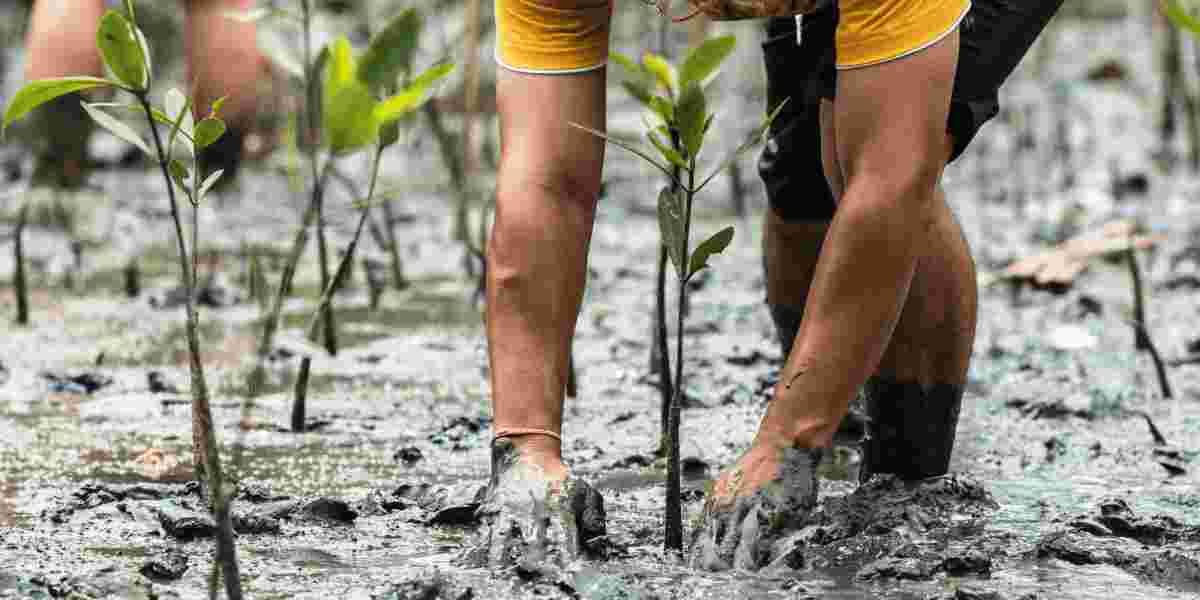 We are proud to champion eco-friendly agri-tourism across Asia as a transformative link between China, Korea, Japan, and Kenya, designed to promote sustainable agriculture, cultural understanding, and responsible travel. Our program, developed in collaboration with the Japan International Cooperation Agency (JICA), focuses on connecting visitors from Japan with Kenya’s vibrant farming communities that are leading the way in environmental sustainability and rural innovation. Through structured experiences and knowledge-sharing initiatives, we are redefining how tourism can contribute to both environmental preservation and agricultural advancement. Our eco-friendly agri-tourism program emphasizes learning through participation. Rather than offering traditional sightseeing tours, we provide Japanese travelers with hands-on opportunities to experience the realities of Kenyan agriculture. Participants spend time on JICA-supported farms, working alongside local farmers who are adopting organic cultivation, renewable energy use, and soil restoration techniques. Every activity, from planting seeds to processing farm produce, demonstrates practical ways of achieving food security while safeguarding the environment. This immersive approach transforms the concept of tourism into a meaningful exchange of knowledge and skills. We take pride in ensuring that each journey fosters a genuine partnership between the visiting participants and the host communities. The program is structured to promote mutual respect, shared learning, and environmental accountability. Japanese participants gain direct insight into Kenya’s agricultural systems, many of which have been strengthened by decades of JICA-led initiatives in irrigation, community training, and market access. In turn, Kenyan farmers benefit from the exchange of innovative farming practices, consumer trends, and green technologies emerging from Japan. This balanced exchange embodies our belief that sustainable development thrives on collaboration, not competition. The eco-friendly model guiding this initiative ensures that every aspect of the tour, from accommodation to farm operations, meets sustainability standards. We encourage low-impact travel, the use of eco-lodges, and the consumption of locally sourced foods. Our program also supports community-based cooperatives that manage natural resources responsibly, ensuring that the economic benefits of tourism reach the grassroots level. By aligning with JICA’s long-standing commitment to sustainable development, we continue to expand opportunities for rural empowerment while maintaining environmental integrity. Ultimately, an eco-friendly agri-tourism safari from Japan to Kenya showcasing JICA innovations transforms travel into an instrument of education and development. It allows participants to witness firsthand how agriculture can balance productivity with ecological care. It reinforces Japan’s dedication to supporting Kenya’s progress through capacity-building and sustainable practices. Most importantly, it showcases how global cooperation can create tangible, lasting impact in rural communities. We remain committed to enhancing this program through continuous improvement, community engagement, and adherence to global sustainability principles. The result is more than a travel experience, it is a partnership for progress, where farms become platforms for learning, and tourism becomes a channel for environmental stewardship and international friendship.
What Can Tourists Expect on the Kenya–Japan Farm Safari Showing JICA’s Model of Green Rural Innovation?
When travelers sign up for Japan-Kenya agricultural safaris promoting eco-friendly farming practices, they are often curious about what makes this tour unlike any other agricultural visit. We have developed this program as more than a sightseeing trip, it is an interactive, educational, and environmentally conscious experience inspired by the Japan International Cooperation Agency’s (JICA) long-standing sustainability and rural development initiatives. The Kenya–Japan Farm Safari offers participants a structured opportunity to witness, learn, and take part in real practices that connect Kenyan agriculture with Japanese green innovation principles. This farm safari operates under a carefully planned format that balances cultural understanding, environmental awareness, and hands-on engagement. Every stage of the itinerary is designed to promote learning, respect for local communities, and a deeper appreciation of cross-cultural cooperation in sustainable farming. Tourists are not just observers; they become active contributors to farm life and community interaction. Below is what every participant can expect throughout the journey:
- Orientation: Upon arrival, participants are welcomed by a professional Japanese-speaking guide who provides a detailed briefing on local customs, safety protocols, and farm etiquette. This introduction ensures every visitor feels informed, comfortable, and ready to engage respectfully with both the people and the environment.
- Farm Immersion: Tourists take part in daily farm tasks such as planting, harvesting, and composting. This stage allows them to experience firsthand the rhythm of rural Kenyan agriculture while applying sustainable techniques encouraged through JICA’s training models.
- Agro-Education: Guests attend interactive sessions led by local agronomists and extension officers who have received specialized training under JICA-supported programs. These sessions focus on soil management, climate-smart farming, crop rotation, and organic practices that promote long-term agricultural productivity.
- Cultural Exchange: Beyond the fields, visitors join community members in village ceremonies, traditional dances, and home-style cooking lessons. These activities highlight the cultural bond between Kenya and Japan and foster mutual understanding through shared experiences.
- Reflection: The trip concludes with group discussions and reflection meetings where participants compare agricultural methods and sustainability approaches between Japan and Kenya. This exchange of perspectives often sparks ideas for personal or institutional collaboration long after the safari ends.
Through these elements, the farm safari demonstrates JICA’s model of green rural innovation in action. Rather than treating farms as simple tourist attractions, we guide participants to engage as temporary co-farmers. This approach strengthens appreciation for rural livelihoods and promotes the adoption of eco-friendly agricultural practices. Our role is to ensure that every visitor experiences a safe, educational, and culturally sensitive Japan to Kenya agri-tour inspired by JICA's sustainable farming legacy. The farm safari embodies JICA’s philosophy of blending modern innovation with traditional wisdom to achieve sustainable rural development. By the end of the trip, participants not only understand Kenya’s agricultural landscape but also see how Japan’s principles of efficiency, environmental stewardship, and community participation are adapted locally. Ultimately, tourists can expect a meaningful exchange that bridges two nations through shared values of respect, sustainability, and learning. The Kenya–Japan safari stands as a model of experiential tourism where education, culture, and environmental responsibility meet, offering travelers a deeper, greener, and more human-centered experience.
Sustainable Agriculture Tours from Japan to Kenya Showcasing JICA Farm Innovations
 Committed to advancing responsible travel and cross-cultural learning, we proudly present Kenya sustainable agricultural tours across Asian countries, a groundbreaking initiative that connects visitors with thriving agricultural communities. This program is designed to merge travel with education, creating a meaningful bridge between Japan’s technological precision in farming and Kenya’s regenerative, community-based agricultural practices. Our tours go beyond conventional tourism. Participants experience Kenya not merely as a sightseeing destination, but as a vibrant, open-air classroom where sustainability is practiced daily. Travelers engage directly with local farmers who demonstrate practical methods of soil regeneration, organic crop rotation, water conservation, and climate-resilient farming. Each visit provides firsthand exposure to the impact of community-led innovation and to the values of environmental stewardship that define Kenya’s modern agriculture. The foundation of these tours lies in the long-term collaboration between Japanese agricultural experts and Kenyan farming communities through the Japan International Cooperation Agency (JICA). Over the years, JICA-supported initiatives have introduced innovative tools, training, and sustainable practices to enhance productivity while preserving ecosystems. Our tours build upon this cooperation by transforming it into a shared learning experience. Japanese participants have the opportunity to see how these innovations have evolved in the field and how local farmers adapt and improve them to fit their environment. During the program, visitors participate in a range of hands-on activities, from planting and harvesting to compost preparation and natural pest control. They also take part in knowledge-exchange sessions where farmers, agricultural officers, and participants discuss real-world challenges and sustainable solutions. This direct involvement fosters a sense of respect and partnership, allowing travelers to contribute positively while gaining a deeper understanding of rural livelihoods in Kenya. Our aim as a service provider is not just to facilitate travel but to create pathways for practical sustainability learning. Each tour itinerary is carefully designed to integrate cultural immersion with technical engagement. Participants visit model farms, research centers, and cooperative projects that showcase the synergy between modern Japanese agricultural techniques and Kenya’s ecological diversity. These encounters inspire innovation and collaboration, helping visitors appreciate the importance of sustainable food systems in a global context. Upon returning home, travelers carry with them more than memories, they bring back insights, techniques, and a renewed commitment to responsible farming and sustainable living. Many participants have applied these lessons in their own communities, contributing to global agricultural resilience. Sustainable Agriculture Tours from Japan to Kenya Showcasing JICA Farm Innovations stand as a model for experiential education in sustainability. By combining travel, learning, and cooperation, we help shape a future where cultures connect through shared respect for the land and its caretakers. Our commitment remains to provide enriching experiences that strengthen international partnerships and promote sustainable development through agriculture.
How Do Eco-Agricultural Tours Link Kenya’s Farmlands to Japan’s Sustainability Movement?
We specialize in facilitating eco-agricultural tours linking Kenya's farmlands to Japan's sustainability movement, which directly connects diverse farmlands with Japan’s growing sustainability movement. These tours are not simply sightseeing experiences, they are structured educational exchanges that showcase Kenya’s progress in sustainable agriculture while responding to Japan’s increasing interest in low-carbon, organic, and environmentally responsible food systems. By positioning ourselves as a service provider committed to meaningful learning, we help visitors experience firsthand how Kenya’s farming communities are driving change in global sustainability. Japanese travelers, research groups, and agricultural professionals are increasingly motivated to understand how countries like Kenya manage resource conservation and organic production in real working environments. Our eco-agricultural tours provide this opportunity by opening up Kenya’s farms as real-time classrooms. Visitors observe integrated crop and livestock systems, agroforestry models, and community-based cooperatives that emphasize resilience against climate challenges. Every itinerary is designed to align with Japan’s own sustainability principles, particularly those centered on low-carbon practices and organic certification frameworks. This alignment allows participants to witness practical examples that can inform and strengthen sustainability models back home in Japan. The structure of our tours prioritizes active engagement over passive observation. Participants are not limited to walking through fields, they engage in discussions with farmers, agricultural trainers, and rural entrepreneurs who demonstrate how sustainability is applied daily in soil conservation, composting, and natural pest control. Each visit concludes with an organized feedback and reflection session where visitors share insights and suggest new ideas based on their professional or personal expertise. These sessions often explore:
- Seed varieties: comparing locally adapted Kenyan seeds with Japanese organic strains, and discussing how seed diversity strengthens both resilience and food security.
- Water harvesting: examining small-scale irrigation systems, rooftop catchments, and other water management practices that can be replicated or enhanced in similar climates.
- Soil microbe care: learning about the role of microorganisms in maintaining soil fertility and how farmers naturally improve microbial health without synthetic inputs.
- Farm-to-table marketing: exploring how farmers and cooperatives directly connect with consumers, and how such transparent systems can build sustainable market trust.
These discussions generate valuable cross-continental knowledge exchange. Participants from Japan contribute their technological expertise, while Kenyan farmers share context-specific innovations that thrive under local conditions. The outcome is genuine two-way learning that strengthens mutual understanding between the two nations. Our tours are guided by the same principles championed by the Japan International Cooperation Agency (JICA), ensuring that each program upholds transparency, cultural respect, and sustainability. We emphasize small group sizes to maintain quality engagement, encourage meaningful dialogue, and minimize environmental impact. By maintaining these standards, Kenya farm safaris showcasing JICA model of green rural innovation serve as a living platform for long-term partnerships, leading to new cooperative projects between Japanese and Kenyan institutions. Through this initiative, we position farmlands as an essential part of Japan’s global sustainability movement, an active link where learning, innovation, and mutual growth take root.
FAQs on Agri-Tour on JICA’s Sustainable Farm Safari Legacy
We are committed to connecting Japanese travelers with authentic rural experiences across Kenya. Our goal is to make agricultural tourism both educational and enjoyable while ensuring every traveler feels confident, safe, and well-prepared. This FAQ section provides detailed answers for those new to the concept of agri-tourism in Kenya and explains what makes our JICA-supported farm tours a model of sustainability, community partnership, and cultural exchange.
- What is agri-tourism in Kenya? Agri-tourism in Kenya involves visiting operational farms and rural communities to engage directly with agricultural life. Participants observe how local farmers cultivate crops, raise livestock, and integrate sustainable practices. It is an opportunity to learn about Kenya’s agricultural traditions, local food systems, and eco-friendly innovations. For many visitors, it is a unique cultural encounter that blends leisure with learning. As a service provider, we ensure that our tours highlight Kenya’s vibrant rural identity and promote mutual understanding between visitors and host communities.
- Is it safe to travel to Kenya for a farm safari? Yes, it is safe. JICA’s Sustainable Farm Safari Legacy collaborates with vetted, locally registered farm operators who follow strict safety and health standards. Most agri-tourism destinations are located in peaceful rural environments where travelers can comfortably explore and interact. Our guided groups always include professional hosts and experienced tour coordinators who prioritize traveler safety, hygiene, and comfort. We provide continuous updates and travel support to guarantee a smooth and secure experience for every visitor.
- Does JICA run the farm tours directly? The tours are organized by local service providers who work in close partnership with JICA-supported farms. Our role as a development partner is to enhance the capacity of local operators through training, quality assurance, and sustainability programs. By empowering these communities, we help ensure that the benefits of agri-tourism reach local farmers and residents while maintaining international standards of hospitality and learning.
- Can elderly Japanese travelers participate? Our tours are designed to accommodate guests of different age groups and physical abilities. We customize itineraries to include gentle walking routes, accessible accommodations, and rest options for senior participants. Our hosts are attentive and supportive, ensuring comfort and participation at every stage of the journey.
- Are these tours suitable for families and children? Yes, selected farm tours are family-friendly. These programs offer interactive learning experiences such as planting, feeding livestock, and participating in light farm activities. They are educational, enjoyable, and designed to inspire appreciation for sustainable farming among younger travelers.
- How is a farm safari different from a wildlife safari? While Kenya is famous for its wildlife safaris, our agri-tours focus on agricultural life, from growing tea and coffee to managing dairy farms and vegetable gardens. Instead of game viewing, guests immerse themselves in the daily rhythm of rural Kenya, experiencing the human and environmental stories behind its thriving farms.