
 We proudly offer Japan-Kenya farm tours that redefine what it means to travel responsibly. These sustainable safaris are designed specifically for Japanese travelers who seek authentic engagement beyond conventional sightseeing. Our tours offer a meaningful alternative to standard tourism, focusing on learning, contribution, and environmental awareness through hands-on agricultural experiences in Kenya’s dynamic rural landscapes. Unlike typical safari packages, our JICA-guided farm tours combine Kenya’s natural beauty with purposeful interaction. Travelers are introduced to local farmers, cooperatives, and community leaders who embody the principles of sustainable agriculture. Under the guidance of experts from the Japan International Cooperation Agency (JICA) and our on-ground facilitators, participants take part in real farming activities, planting, soil preparation, irrigation, composting, and harvesting. Every experience is carefully designed to educate travelers on eco-friendly food production and to encourage appreciation of the delicate relationship between people, land, and environment. Our approach ensures that each tour directly supports the host communities. We partner with local farmers and agricultural projects that prioritize ethical practices such as organic farming, water conservation, and biodiversity protection. Participants witness firsthand how Kenyan communities balance productivity with sustainability, and they are invited to contribute through simple, guided activities that leave a positive footprint. This structure not only benefits local livelihoods but also strengthens cultural exchange between Japan and Kenya. In addition to the agricultural component, our sustainable safaris include exposure to Kenya’s wildlife and cultural diversity. Participants enjoy guided nature walks, visits to conservation areas, and interactions with local artisans and educators. Each itinerary maintains a consistent focus on environmental integrity, responsible travel, and community partnership. Meals and accommodations are sourced from local providers who adhere to eco-friendly standards, ensuring that every part of the journey aligns with the spirit of sustainability. For Japanese travelers, this experience goes beyond tourism, it is an opportunity for learning and personal growth. The tours foster a sense of global connection by highlighting shared values of discipline, respect for nature, and collective responsibility. We recognize that Japanese culture places great importance on harmony and stewardship, values that align perfectly with the sustainable safari model. Through these programs, travelers gain practical insights into international agricultural cooperation while enjoying Kenya’s stunning landscapes and warm hospitality. We position ourselves not just as a tour operator, but as a bridge for cross-cultural learning and sustainable development. Every JICA-guided Kenyan farm tour we organize reflects our dedication to responsible travel, mutual respect, and environmental preservation. For travelers who wish to explore deeply, contribute meaningfully, and grow through experience, our JICA guided Kenyan farm tours for Japanese travelers sustainable safari offers the ideal balance of adventure, education, and purpose. It is a journey that connects people, promotes sustainability, and leaves lasting value for both visitors and hosts.
Key Features of JICA-Guided Sustainable Farm Safari Tours in Kenya
| Program Feature | Details |
|---|---|
| Tour Duration | 7 to 14 days |
| Locations Covered | Nairobi, Nakuru, Nanyuki, Kisumu, rural farm zones |
| Focus Areas | Organic farming, permaculture, water harvesting, crop rotation |
| Wildlife Integration | Safari visits to Maasai Mara, Amboseli, and Lake Nakuru National Park |
| Languages Supported | Japanese, English, Swahili |
| Travel Partner | JICA, Local NGOs, Homejoy Safari Adventures |
| Accommodation | Eco-lodges, Farmstays, Community Guesthouses |
| Key Benefit | Authentic agricultural immersion + wildlife connection |
JICA Sustainable Kenyan Farm Tours For Japanese Eco Travelers
 We are proud to offer the JICA sustainable Kenyan agri-tours, a unique travel program designed exclusively for Japanese eco travelers who value meaningful, responsible, and educational journeys. Our tours provide participants with more than just a sightseeing experience, they represent a genuine opportunity to engage with Kenya’s vibrant agricultural communities and discover how sustainability is applied in real life. Through these farm tours, Japanese visitors can directly observe and take part in practices that promote environmental protection, ethical farming, and local empowerment. The sustainable tours are structured to align with the Japan International Cooperation Agency’s (JICA) commitment to mutual development and cross-cultural collaboration. Each tour is carefully curated to highlight Kenya’s diverse agricultural ecosystems, from smallholder farms in the highlands to innovative community projects in rural villages. Travelers not only witness the agricultural techniques used by local farmers but also participate in practical activities that demonstrate the balance between productivity and environmental stewardship. These experiences help participants understand the real challenges of sustainable farming and the creative, community-based solutions that have been developed to address them. We focus on ensuring that every aspect of the program reflects responsible tourism principles. We prioritize fair partnerships with local hosts, equitable compensation for participating communities, and environmentally conscious travel logistics. Each farm selected for the tours adheres to sustainable standards that encourage soil conservation, organic production, and water management. In addition, the tours emphasize direct interaction with farmers and their families, allowing travelers to learn about local traditions, food systems, and day-to-day rural life. This exchange fosters mutual respect and appreciation between visitors and hosts, creating a foundation for long-term understanding and collaboration. Japanese eco travelers who join our tours gain first-hand knowledge of how sustainability is practiced outside Japan while also contributing positively to Kenya’s local economies. The experiences are interactive and hands-on: participants might join in planting, composting, or harvesting sessions, help in preparing traditional meals, or visit agricultural cooperatives to see how farmers organize themselves to promote collective growth. These shared activities encourage learning through participation and dialogue, not observation alone. Another defining feature of our Kenyan farm tours is their educational value. We integrate guided discussions and debriefing sessions that help travelers connect their experiences in Kenya to global environmental issues and sustainable development goals. This approach makes the tour not only memorable but also intellectually enriching. Travelers return home with practical insights into sustainable lifestyles and a renewed commitment to environmental responsibility. Ultimately, the JICA sustainable Kenyan farm tours for Japanese eco travelers stand out as a model of responsible agritourism. We take pride in offering an ethical, educational, and culturally respectful program that bridges Japan and Kenya through shared values of sustainability and cooperation.
What Makes JICA Sustainable Kenya Farm Safari Tours Unique
We offer more than an ordinary sightseeing experience. As a specialized service, we design immersive JICA-guided farm tours for Japanese visitors on sustainable safaris that connect travelers with rich farming heritage and vibrant natural landscapes. Our tours are structured to educate, inspire, and promote sustainability while strengthening the bridge between Japan’s agricultural innovation and Kenya’s ecological potential. Unlike traditional safaris that focus only on wildlife viewing, our Farm Safari Tours integrate ethical agriculture with eco-tourism. Each itinerary is carefully crafted to provide participants with hands-on learning opportunities, personal mentorship, and direct exposure to real Kenyan communities working towards sustainable food systems. Our goal is to enable travelers to see, touch, and understand how modern techniques and traditional wisdom combine to promote ethical, regenerative agriculture in Kenya. Our tours stand out through the following key experiences:
- On-site mentorship from Japanese-speaking agricultural experts: Every traveler benefits from guidance by knowledgeable agricultural professionals who are fluent in Japanese and experienced in Kenya’s farming environment. This mentorship ensures seamless communication, making technical discussions clear and engaging. Participants can interact freely, ask questions, and learn how agricultural practices are adapted to local conditions while reflecting Japanese standards of efficiency and sustainability.
- Visits to JICA-supported irrigation farms and permaculture sites: We take travelers to well-established demonstration farms that receive support from JICA and other sustainability partners. These visits allow guests to observe modern irrigation systems, water-saving technologies, and soil management techniques firsthand. At permaculture sites, participants learn about integrated farming methods that prioritize balance between crop production, soil health, and environmental preservation.
- Farm-to-table meals prepared by locals: Culinary experiences are a major highlight of our tours. Guests enjoy freshly prepared meals made from locally sourced ingredients grown at the farms they visit. This direct connection between the farm and the dining table offers a deeper appreciation of Kenya’s agricultural bounty while supporting local farmers, cooks, and food producers.
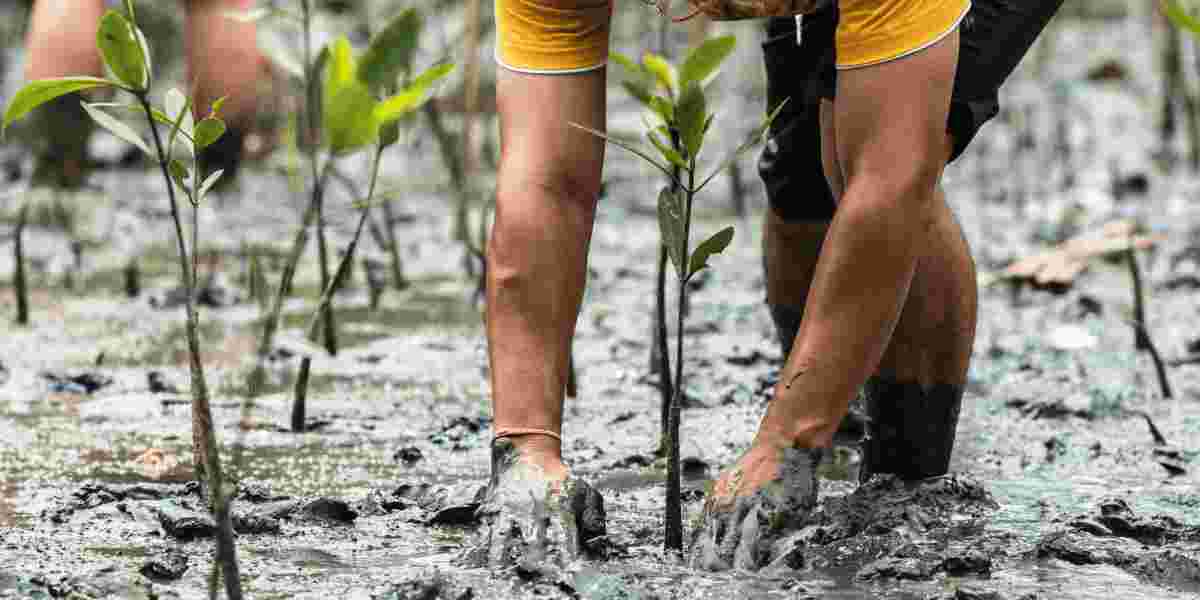
- Participation in reforestation and soil renewal activities: Sustainability is not just a theme, it is a practice embedded in every itinerary. Our visitors actively contribute to environmental restoration through tree planting, composting, and soil improvement projects. These activities empower travelers to leave a positive footprint and gain practical knowledge about climate-resilient farming.
- Wildlife safaris in protected conservancies: Beyond the farms, guests experience the beauty of Kenya’s protected wildlife areas. We collaborate with community-run conservancies that balance conservation with livelihood support. This allows travelers to witness Kenya’s wildlife in ethical, sustainable settings while understanding how conservation and agriculture coexist harmoniously.
Through this integrated approach, agroecological JICA tours in Kenya featuring permaculture and wildlife safaris redefines what it means to travel responsibly. We merge agriculture, culture, and conservation into a single, meaningful journey. By joining our tours, Japanese participants not only explore Kenya’s landscapes but also engage in a shared mission, supporting sustainable development, ethical food systems, and cross-cultural collaboration that benefits both nations.
Japanese Agritourism Safaris in Kenya Guided By JICA Experts
 We proudly present Asian agritourism safaris in Kenya, a specialized travel experience designed exclusively for Japanese visitors who wish to engage with Kenya through a responsible, educational, and culturally authentic lens. This initiative combines Japan’s long-standing appreciation for sustainable practices with Kenya’s dynamic agricultural and ecological landscapes. By partnering with Japan International Cooperation Agency (JICA) experts, we ensure that each program is professionally structured, ethically managed, and focused on meaningful community interaction. Our agritourism safaris are far more than standard sightseeing tours. Each itinerary is carefully developed to immerse travelers in Kenya’s rural life, providing them with the opportunity to participate in genuine farming activities alongside local communities. Guests learn traditional cultivation methods, assist in eco-friendly agricultural projects, and gain a firsthand understanding of how sustainable farming contributes to both food security and environmental balance. Under the guidance of JICA experts, every step of the program is conducted with respect for local culture and sensitivity to ecological preservation. We place strong emphasis on practical engagement and educational enrichment. Visitors don’t simply observe rural Kenya, they become part of it. Participants work on community farms, learn about indigenous crops, and exchange knowledge with Kenyan farmers who have benefited from JICA’s technical support. This approach promotes mutual respect, allowing travelers to appreciate Kenya’s agrarian systems while sharing Japan’s experiences in agricultural innovation. Beyond the farm, our programs integrate guided wildlife safaris that highlight Kenya’s exceptional biodiversity. Participants explore renowned national parks, observe iconic wildlife, and understand the connection between sustainable farming and conservation efforts. This balance of agricultural immersion and natural exploration transforms the safari into a comprehensive cultural and ecological journey. Travelers leave with more than photographs; they carry with them a deeper awareness of how rural communities and ecosystems coexist. Every detail of our agritourism safaris in Kenya is meticulously planned to meet the standards of responsible tourism. We ensure that accommodations, transportation, and activities align with environmentally sound practices and local economic empowerment. By participating, travelers directly contribute to rural development projects supported by JICA and other local organizations. The tours foster not only enjoyment but also global understanding and shared growth. For Japanese tourists seeking more than leisure, this program offers a purposeful alternative, combining exploration, education, and ethical travel. It is ideal for environmentally conscious individuals, students of agriculture, professionals interested in rural development, or anyone wishing to experience Kenya through an authentic and respectful framework. Needless to say, Japanese agritourism safaris in Kenya guided by JICA experts offer a distinct and meaningful way to connect two rich cultures through agriculture, sustainability, and cooperation. We ensure that each participant’s journey is informative, respectful, and transformative, where travel becomes a bridge between learning, cultural exchange, and lasting impact.
What are the benefits for Responsible Japanese Travelers in Kenya Eco Farm Safari with JICA?
We take pride in offering an experience that goes beyond ordinary tourism. Eco farm safaris in Kenya with JICA for responsible Japanese travelers are carefully designed for responsible Japanese travelers who want to explore, learn, and make a positive impact. This program bridges Japanese dedication to sustainability with Kenya’s thriving eco-agriculture movement. It is more than just a journey through farms and natural landscapes, it is a chance to participate in a shared vision of sustainable development, mutual respect, and environmental care. In recent years, Japan has shown strong national interest in sustainability, renewable agriculture, and cross-cultural exchange. Through our partnership with JICA (Japan International Cooperation Agency), we extend these principles directly into the travel experience. Each safari is structured to offer practical, educational, and emotional benefits that reflect Japan’s values of discipline, learning, and harmony with nature. Participants are not only tourists; they are contributors to a meaningful exchange between two cultures striving for better living standards and environmental balance.
- Knowledge Transfer: Japanese travelers bring with them a wealth of innovation and curiosity. During the eco-farm activities, they have the opportunity to share modern farming ideas and efficient practices that may inspire local farmers. In return, the Kenyan hosts demonstrate indigenous methods of cultivation, organic pest control, and soil management rooted in generations of experience. This knowledge transfer creates mutual learning and reinforces our belief that development works best when it is collaborative and inclusive. Every visitor becomes part of an ongoing dialogue that values both traditional wisdom and modern science.
- Language Ease: Communication plays a major role in the success of cross-cultural programs. Our safaris are supported by JICA-trained interpreters, ensuring smooth and accurate exchanges between travelers and local communities. This approach eliminates language barriers, builds trust, and allows participants to engage in genuine conversations about farming, environment, and daily life. Japanese travelers can comfortably ask questions, share stories, and understand the motivations behind local initiatives, making every interaction richer and more authentic.
- Personal Growth: The Kenya Eco Farm Safari is not only about observing, it is about doing. By taking part in hands-on activities such as planting, harvesting, and farm maintenance, travelers experience the realities of rural life. This immersion nurtures personal growth, encouraging empathy, patience, and appreciation for global interdependence. Many participants return home with a deeper understanding of sustainability and a renewed sense of purpose as global citizens. The journey cultivates mindfulness about consumption, waste, and humanity’s shared responsibility toward the planet.
- Eco-Friendly Travel: We are committed to maintaining eco-friendly travel standards throughout the safari. From using low-emission transport to supporting carbon-offset programs, our logistics are designed to minimize environmental footprints. Accommodations follow sustainable practices such as water conservation, solar energy use, and waste recycling. Every step of the trip aligns with our promise to protect nature while promoting ethical tourism.
Relevantly, Japanese cultural agritourism safaris in Kenya with JICA guidance offer responsible travelers a balanced combination of education, engagement, and enjoyment. Through mutual learning, cultural connection, and sustainable action, participants leave a positive legacy both in Kenya and within themselves. We see this program not merely as travel, but as a shared journey toward a more responsible and sustainable future.
Ethical Kenya Safari and Farm Experiences for Japanese Visitors
 We specialize in creating Kenya safari and farm experiences designed specifically for Asian travelers who value authenticity, learning, and responsible travel. Our programs are built on transparency, respect, and sustainability, offering a meaningful alternative to the mass-market tourism that often overlooks the real Kenya. Every journey is guided by ethical standards and community partnership, ensuring that both visitors and hosts benefit equally from cultural exchange and environmental protection. Japanese travelers are known for their deep appreciation of nature, discipline, and mindfulness. We have designed our safaris and farm experiences to align with these values. Instead of rushing through crowded tourist circuits, guests travel in small groups to family-owned farms, wildlife conservancies, and community-based lodges. Here, they can observe and participate in daily agricultural activities such as planting, harvesting, and preparing local meals. These interactions help visitors understand Kenya’s agricultural systems, which rely heavily on ecological methods that maintain soil fertility and preserve biodiversity. Through this direct engagement, travelers witness firsthand how Kenyan farmers balance productivity with environmental care, an approach that mirrors Japan’s own long tradition of harmony between people and nature. Our ethical safaris go beyond the typical wildlife viewing experience. We collaborate with community conservancies that protect endangered species while providing income and education opportunities for local residents. Visitors gain insight into how responsible tourism contributes to wildlife conservation, reduces poaching, and improves living conditions for rural families. Each safari is led by certified local guides trained in sustainable tourism practices, ensuring minimal environmental impact and maximum cultural understanding. We take pride in offering programs that meet the expectations of conscientious Japanese travelers who seek deeper, more genuine experiences. We are committed to JICA’s development principles, supporting community empowerment, fair trade, and knowledge exchange. Every tour fee directly benefits local cooperatives, schools, and conservation projects. Guests are encouraged to engage in dialogue with farmers, artisans, and community leaders, fostering mutual learning and lasting relationships. Our itineraries also include visits to women’s groups and youth initiatives that demonstrate how small enterprises can thrive through sustainable agriculture and eco-friendly innovation. This approach turns travel into a form of international cooperation that aligns perfectly with Japan’s spirit of global contribution. Ethical Kenya safari and farm experiences for Japanese visitors are more than holidays; they are opportunities for cultural immersion and mutual respect. Japanese visitors leave with a clear understanding of how ethical tourism strengthens communities and protects the natural environment. They also gain personal enrichment through hands-on learning, reflection, and connection with people whose lives differ yet share the same values of hard work and environmental care. We invite Japanese travelers to choose experiences that matter, to walk the fields, share meals with farmers, and witness Kenya’s beauty through the lens of responsibility and respect. This is travel that creates change, celebrates culture, and builds bridges between Japan and Kenya for a sustainable future.
Which Farms and Conservancies are Typically Included in the Tours?
Dedicated to promoting JICA-led sustainable farm immersion and safaris in rural Kenya, we carefully select farms and conservancies that represent the best examples of Kenya’s innovation, resilience, and environmental stewardship. The locations we include in our tours are not chosen solely for their agricultural output but for their commitment to advancing community empowerment, education, and ecological sustainability. Each destination offers participants a unique learning experience and a deeper understanding of how farming and conservation coexist across different regions of the country. Our tours are designed to immerse visitors in Kenya’s diverse agricultural landscape, ranging from semi-arid regions that rely on smart irrigation systems to fertile highlands focused on organic and climate-resilient farming. Participants have the opportunity to engage directly with farmers, community leaders, and conservation experts who are driving change in the sector. These experiences allow for hands-on interaction, knowledge exchange, and appreciation of practical solutions to modern agricultural challenges. Here are the primary farms and conservancies typically included in our tours:
- Makueni Smart Irrigation Hubs: These JICA-supported farms stand out for their innovative approach to water management. Visitors learn about the use of solar-powered irrigation systems designed to optimize water efficiency in arid and semi-arid zones. The hubs demonstrate how renewable energy can transform smallholder farming by ensuring a consistent water supply, reducing dependency on rainfall, and increasing productivity. Our tours provide participants with opportunities to observe these systems in operation and engage in discussions on scalability and sustainability within rural communities.
- Nyahururu Organic Collective: This collective focuses on the production of indigenous vegetables and the promotion of climate-resilient crops. Through collaborative community farming, it encourages environmentally friendly cultivation methods while preserving Kenya’s indigenous food heritage. Visitors can explore organic farming practices that minimize the use of synthetic inputs, support soil health, and enhance biodiversity. As part of our tour program, participants interact with farmers who are pioneering local solutions to climate-related agricultural challenges.
- Ol Pejeta Conservancy: Known globally for its wildlife conservation initiatives, Ol Pejeta also integrates sustainable livestock and community-based grazing programs into its operations. The conservancy serves as an excellent model for balancing agricultural productivity with conservation goals. Visitors experience how pastoral communities and conservation experts work together to maintain healthy ecosystems while improving livelihoods. Our tours emphasize Ol Pejeta’s role in advancing coexistence between people, livestock, and wildlife.
- Kibwezi Permaculture Project: This site offers practical demonstrations in sustainable land management, including composting, mulching, water harvesting, and seed saving. It provides a hands-on learning environment for visitors interested in regenerative agriculture. Participants gain insights into how permaculture principles can enhance soil fertility, conserve water, and improve crop diversity. The project embodies our commitment to promoting ecological farming as a viable solution for food security and environmental restoration.
Essentially, the farms and conservancies we include in our tours reflect Kenya’s agricultural diversity and dedication to sustainable development. Through ethical Kenyan agriculture experiences for Japanese JICA tourists, participants gain practical knowledge, cultural understanding, and appreciation for the country’s ongoing efforts to achieve a balance between productivity, conservation, and community well-being.
Frequently Asked Questions on JICA Guided Farm Safaris for Travelers
We specialize in offering authentic, educational, and farm safaris tailored to eco-travelers who wish to explore Kenya’s agricultural and natural landscapes. To ensure every traveler feels confident and well-prepared, we have compiled a detailed list of frequently asked questions. These answers are designed to provide clarity on what to expect, the best travel seasons, participation requirements, and available services throughout the safari experience.
- What is the ideal season for these tours? The most favorable periods for safaris are from January to March and July to October. During these months, the weather is generally stable, with warm days and minimal rainfall, allowing travelers to fully participate in farm activities without disruption. These seasons also coincide with major agricultural cycles in Kenya, making it easier for visitors to observe planting, harvesting, and local market interactions. In addition, these months provide excellent opportunities for wildlife viewing, as animals are more active and easier to spot. Our service schedules tours carefully within these seasons to maximize learning, comfort, and adventure for every traveler.
- Do travelers need prior farming knowledge? No prior agricultural experience is required. Our safaris are designed for all travelers, from complete beginners to those with a personal interest in sustainable farming. The tours emphasize hands-on learning, where participants engage directly in activities such as planting seedlings, tending to crops, and understanding eco-friendly farming methods. Our guides, who are both trained agricultural experts and cultural interpreters, ensure that every session is clear, educational, and enjoyable. Whether you’re curious about Kenya’s smallholder systems or modern sustainability practices, you’ll gain valuable insight through practical participation rather than technical theory.
- Can families or elderly travelers join? Our service accommodates travelers of all ages and fitness levels. Families, elderly participants, and solo explorers are equally welcome. We provide flexible itineraries that allow each group to move at a comfortable pace, ensuring safety and relaxation at every stage. Activities are customizable, gentle walks through coffee plantations, light farm work demonstrations, and accessible eco-lodge accommodations are all part of the experience. For elderly travelers or those with specific needs, we also arrange transport assistance and rest-friendly schedules to make participation easy and enjoyable.
- Is vegetarian food available? Yes, vegetarian and plant-based meals are readily available throughout the safari. We take pride in offering fresh, locally sourced ingredients that highlight traditional Kenyan flavors. Meals often include vegetables, legumes, grains, and tropical fruits, prepared by local chefs who understand dietary preferences and nutritional balance. Our service ensures that all travelers, regardless of dietary choice, can enjoy wholesome, authentic meals that complement the eco-tourism experience.
- Is this tour available year-round? Yes, our JICA Guided Farm Safaris operate throughout the year. However, specific farming activities vary depending on the seasonal agricultural calendar. For example, visitors during the planting season may assist with soil preparation and seedling care, while those visiting during harvest months can experience produce collection and post-harvest processing. Regardless of timing, our service guarantees that each safari provides meaningful engagement and a rich understanding of Kenya’s rural life and sustainability efforts.
Through our farm safaris, we aim to deliver more than just a trip, we offer an immersive educational experience that connects Japanese travelers to Kenya’s agricultural culture, people, and environment in a respectful and inspiring way.