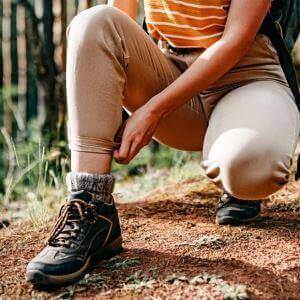
 We specialize in creating meaningful, research-driven, and culturally immersive eco-tourism experiences. Our programs are designed specifically for Japanese scholars, students, and environmentally conscious travelers eager to explore Kenya’s ecological and cultural diversity through a structured, academically rewarding approach. Kenya provides an exceptional setting for biodiversity and conservation learning. As a country known for its varied ecosystems, from tropical forests and freshwater lakes to savannah grasslands and coastal habitats, it offers a living laboratory where participants can observe the direct relationship between human activity and environmental sustainability. Our service connects Japanese participants with local researchers, conservationists, and communities to promote practical understanding of ecological systems and conservation strategies relevant to both Africa and Japan. Through our carefully curated tours and field programs, participants engage in hands-on research across Kenya’s rich ecological zones. In the Kakamega rainforest, for example, guests can study endemic species and forest regeneration projects guided by local experts. In the Maasai Mara, our eco-research programs examine wildlife behavior, land use, and the balance between conservation and community livelihoods. Each activity is designed to reinforce scientific knowledge while emphasizing ethical and sustainable practices that contribute to local conservation efforts. Beyond ecological study, our programs incorporate cultural learning and collaboration. We believe that understanding conservation in Kenya requires an appreciation of its people and traditions. Through cultural exchanges with the Maasai, Samburu, and other communities, participants gain insights into how indigenous knowledge contributes to sustainable land management and wildlife protection. These interactions foster mutual respect and highlight the shared values between Japanese and Kenyan approaches to environmental stewardship. Our tours are not ordinary sightseeing experiences; they are immersive educational journeys combining research, cultural connection, and responsible travel. We ensure that each itinerary aligns with conservation goals and benefits host communities economically and socially. By working closely with local organizations and conservation groups, we facilitate volunteer opportunities, academic collaborations, and community-based conservation projects that encourage participants to make lasting contributions beyond their visit. For Japanese universities, research institutions, and eco-tour operators, our service offers logistical support, expert guidance, and custom-designed fieldwork opportunities. Whether the focus is biodiversity assessment, wildlife monitoring, sustainable tourism development, or cultural anthropology, we tailor each program to meet the academic or professional objectives of our Japanese partners while upholding Kenya’s environmental priorities. Ultimately, our mission is to build a bridge between Japanese biodiversity and conservation cultural tours and eco research in Kenya. Through these conservation cultural tours and eco research programs, we enable participants to learn, contribute, and inspire sustainable change. By merging scientific exploration with cultural understanding, our initiative strengthens the global commitment to biodiversity preservation and fosters a deeper sense of shared responsibility between Japan and Kenya.
Top Biodiversity Hotspots in Kenya for Japanese Conservation & Eco Tours
| Key Biodiversity Areas in Kenya | Ecosystem Type | Notable Species | Research Opportunities |
|---|---|---|---|
| Maasai Mara National Reserve | Savannah/Grassland | African lion, cheetah, wildebeest | Migration studies, predator-prey ecology |
| Kakamega Forest | Tropical rainforest | Blue monkey, Great blue turaco | Avifauna and forest ecology |
| Arabuko Sokoke Forest | Coastal dry forest | Sokoke scops owl, Ader's duiker | Rare species and habitat conservation |
| Tsavo East and West | Semi-arid savanna | African elephant, reticulated giraffe | Human-wildlife conflict mitigation |
| Lake Nakuru National Park | Rift Valley lake system | Flamingoes, black rhino | Water quality and biodiversity interactions |
Japanese Biodiversity Conservation Cultural Travel Experiences in Kenya
 We design and facilitate Japanese agri-tour travel experiences in Kenya, a specialized program that blends ecological education, cultural exchange, and sustainable tourism. Our initiative provides Japanese travelers with an authentic opportunity to engage directly with Kenya’s remarkable biodiversity and the communities dedicated to protecting it. By focusing on conservation and cultural collaboration, we aim to create travel experiences that are not only transformative for participants but also beneficial to local ecosystems and societies. Kenya is home to a diverse range of ecosystems, spanning coastal mangroves, savannah grasslands, highland forests, and mountain moorlands, that support an incredible variety of flora and fauna. Through our structured travel programs, Japanese participants gain firsthand exposure to these environments while learning about the ecological challenges and community-driven conservation methods used to sustain them. We collaborate with local conservation organizations, indigenous groups, and academic institutions to ensure that each experience contributes to real environmental outcomes. Our programs are designed for Japanese researchers, students, conservationists, and eco-minded travelers who wish to deepen their understanding of biodiversity management in Africa. Each journey includes fieldwork components, guided conservation activities, and cultural immersion sessions that highlight Kenya’s interconnected relationship between people and nature. Participants engage in activities such as wildlife monitoring, tree planting, marine conservation, and traditional ecological knowledge exchange. These interactions not only enhance academic and professional expertise but also build lasting partnerships between Japan and Kenya in the field of environmental sustainability. Cultural understanding is a central pillar of our work. We believe that meaningful conservation cannot occur in isolation from local traditions and lifestyles. Therefore, our itineraries integrate visits to rural villages, community workshops, and cultural heritage sites, enabling travelers to experience Kenyan customs, languages, and crafts firsthand. Through dialogue and shared activities, Japanese participants gain an appreciation for the values, wisdom, and practices that guide conservation within Kenyan communities. Committed to responsible travel, we uphold ethical tourism standards that prioritize local empowerment and environmental integrity. Every itinerary we offer is developed in consultation with community partners and guided by sustainable travel principles. Participants are encouraged to approach each experience with respect, curiosity, and a willingness to learn. In doing so, they not only enrich their personal and academic growth but also contribute to long-term conservation and intercultural understanding. The Japanese biodiversity conservation cultural travel experiences in Kenya serve as a bridge between two nations that share a deep respect for nature. Japan’s dedication to environmental harmony finds a natural complement in Kenya’s community-based conservation ethos. Through our programs, we bring these perspectives together in a practical, educational, and deeply rewarding way, empowering individuals to become global ambassadors for biodiversity protection and cultural appreciation.
Which Conservation Projects Welcome Japanese Ecotourists and Researchers in Kenya?
Committed to promoting responsible Japanese ecotourism in Kenya cultural heritage conservation research programs, we actively connect Japanese ecotourists and researchers with reputable conservation projects across Kenya. These projects are carefully selected for their ethical practices, community engagement, and measurable impact on biodiversity protection and cultural preservation. We aim to ensure that every visiting ecotourist or researcher from Japan finds meaningful, hands-on opportunities to contribute to Kenya’s sustainability goals while gaining valuable environmental and cultural insights. Many of the conservation programs we coordinate involve partnerships between Japanese universities, research institutions, and established Kenyan organizations, including government agencies, national parks, and local community-based groups. Through these partnerships, participants engage in field-based learning, environmental restoration, and cross-cultural knowledge exchange. The following collaborative initiatives are among the most welcoming and impactful for Japanese ecotourists and research participants:
- Wildlife monitoring with Kenya Wildlife Service (KWS): We facilitate participation in wildlife observation and data collection activities conducted in collaboration with the Kenya Wildlife Service. Japanese researchers and conservation enthusiasts can assist in wildlife census programs, habitat mapping, and species behavior studies in major reserves such as Tsavo, Amboseli, and Maasai Mara. This engagement supports Kenya’s ongoing efforts to enhance biodiversity conservation and strengthen anti-poaching initiatives.
- Cultural heritage documentation with National Museums of Kenya: Japanese participants work alongside Kenyan cultural experts in documenting indigenous knowledge systems, traditional ecological practices, and community-based conservation histories. Through collaboration with the National Museums of Kenya, our participants help preserve intangible cultural heritage while promoting respectful cultural exchange between Kenyan and Japanese researchers.
- Climate change adaptation research in highland farms and coastal villages: We also connect visiting Japanese scholars and ecotourists with rural communities implementing adaptive agricultural and environmental management techniques. These collaborative studies focus on soil restoration, water conservation, and sustainable farming practices in the Kenyan highlands and coastal zones. Participants gain firsthand experience in applied climate research while contributing to local resilience-building initiatives.
- Mangrove conservation along Kilifi and Lamu shores: Our programs in coastal Kenya welcome Japanese volunteers and marine researchers to engage in mangrove reforestation, ecosystem monitoring, and marine biodiversity protection. These initiatives not only safeguard vital coastal habitats but also strengthen local livelihoods through sustainable eco-enterprises, offering visitors an opportunity to make a tangible environmental impact.
- Community forest associations supporting reforestation: We coordinate with registered community forest associations (CFAs) that lead reforestation and forest management activities in areas such as Mount Kenya, Kakamega, and the Aberdares. Japanese ecotourists and forestry researchers can participate in tree planting, ecological education, and forest resource mapping, thereby supporting Kenya’s national reforestation agenda.
Such collaborations evolve into long-term academic relationships and mutual conservation successes. By bridging Japanese expertise with Kenyan environmental stewardship, our service ensures that every visit contributes meaningfully to both ecological preservation and cultural understanding. Through structured partnerships and transparent engagement, we continue to promote eco research and conservation cultural tours for Japanese travelers in Kenya that strengthen ties between Japan and Kenya while advancing global conservation goals.
Eco Research and Wildlife Preservation Cultural Study Tours from Japan
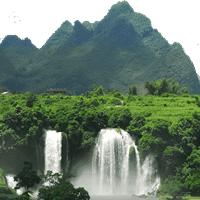 We proudly design and operate agri safari tours from Japan to Kenya, unique travel programs that go far beyond traditional sightseeing. These tours are purposefully created for Japanese travelers who aspire to combine exploration with meaningful participation in conservation and cultural understanding. Kenya, with its extraordinary biodiversity and vibrant communities, serves as the perfect setting for these immersive eco-research and cultural exchange experiences. Our tours focus on hands-on environmental engagement. Participants are introduced to Kenya’s diverse ecosystems, ranging from lush rainforests and highland reserves to the expansive savannas of the Maasai Mara. Rather than simply observing nature, travelers become active contributors to environmental sustainability through structured field research and participation in wildlife preservation projects. Under the guidance of Kenyan conservationists and ecological experts, Japanese participants collect data, monitor animal populations, and assist with habitat restoration efforts. Every activity is organized to balance learning, contribution, and respect for local practices. We ensure that each program is academically structured and ethically grounded. The tours attract a wide range of participants, from university researchers and students to independent eco-tourists, who share a commitment to environmental responsibility. Participants not only gain a deeper understanding of Kenya’s ecosystems but also contribute directly to ongoing ecological projects. This experiential learning approach creates a bridge between academic research and real-world application, enriching participants’ knowledge of environmental science while fostering cross-cultural collaboration. Cultural exchange is an essential part of our mission. Our programs are designed to allow travelers to engage meaningfully with Kenyan communities. Participants spend time in local villages, learn about traditional conservation methods, and experience day-to-day life alongside Kenyan families. This exchange nurtures mutual respect and appreciation, promoting a sustainable relationship between visitors and host communities. By working together with local experts, travelers gain insight into indigenous conservation knowledge while sharing their own perspectives from Japan’s environmental and scientific traditions. Through these tours, we also emphasize ethical and sustainable travel practices. Every itinerary is developed in consultation with local stakeholders to ensure that tourism benefits both the environment and the people who live in these regions. We advocate for minimal ecological impact, responsible wildlife interactions, and the fair distribution of economic benefits to local communities. Our programs are not just trips, they are platforms for global collaboration in protecting natural heritage and cultural identity. For Japanese travelers who wish to merge science, sustainability, and culture, our eco research and wildlife preservation cultural study tours offer a truly transformative experience. Whether tracking elephants across open plains, studying forest ecology in Kakamega, or participating in community-led sustainability projects, travelers discover a sense of purpose in their journey. Through these tours, we aim to inspire a new generation of environmentally conscious global citizens and strengthen the bond between Japan and Kenya through shared commitment to conservation and respect for cultural diversity.
What Types of Eco Research Field Tours Are Available for Japan to Kenya Cultural Conservation Programs?
As a dedicated service specializing in international eco research collaborations, we facilitate Japanese sustainable tourism in Kenya's biodiversity conservation eco research tours. These programs are designed to integrate ecological study with cultural understanding, providing Japanese participants with valuable exposure to Kenya’s rich biodiversity and Indigenous knowledge systems. Our tours combine field-based scientific engagement with opportunities for intercultural exchange, ensuring that every participant gains professional, academic, and personal growth. Each program is developed in partnership with Kenyan research institutions, community organizations, and conservation authorities. The tours vary in duration and scope, from short-term field assignments to semester-long academic immersions, and cater to students, researchers, conservation professionals, and environmental organizations. The following options represent our most commonly requested and successfully implemented programs:
- University Exchange Programs: We coordinate semester-long biodiversity research exchanges between Japanese universities and Kenyan institutions. Participants work with local scientists, conduct ecological surveys, and gain hands-on experience in field data collection. The programs typically focus on habitat assessment, species documentation, and sustainable land-use practices. These exchanges are ideal for students pursuing degrees in environmental science, conservation biology, or cultural sustainability and contribute directly to bilateral academic partnerships.
- Wildlife Tagging and Tracking Projects (Maasai Mara and Tsavo): These projects allow participants to join active wildlife monitoring efforts in Kenya’s renowned Maasai Mara and Tsavo ecosystems. Under expert supervision, teams assist in tracking large mammals, recording behavioral data, and supporting conservation initiatives that promote coexistence between wildlife and local communities. Participants develop critical field techniques while understanding the social and ecological dynamics of conservation in Kenya.
- Marine Biodiversity Surveys (Kenya’s Indian Ocean Coastline): Along the coastal regions of Mombasa, Malindi, and Watamu, we organize marine biodiversity research expeditions. Participants engage in coral reef monitoring, sea grass mapping, and coastal ecosystem assessments. The tours provide practical experience in marine conservation and highlight the impact of ocean health on community livelihoods. Collaboration with Kenyan marine scientists ensures research integrity and local relevance.
- Forest Regeneration Monitoring (Kakamega and Arabuko Sokoke): Our forest-based programs focus on Kenya’s unique tropical and coastal forest ecosystems. Participants collect data on tree species diversity, restoration progress, and habitat connectivity. These initiatives support reforestation efforts and involve cooperation with Kenyan forest rangers, community groups, and conservation agencies.
- Cultural Eco-Tours and Indigenous Knowledge Workshops: We offer specialized eco-tours that integrate cultural conservation with ecological learning. Participants engage directly with Indigenous communities such as the Maasai and Samburu through workshops, storytelling, and participatory conservation activities. These interactions promote respect for traditional ecological knowledge and strengthen intercultural understanding.
Japan to Kenya cultural conservation biodiversity eco research field tours serve both educational and professional objectives. They are structured to support research outcomes while fostering a respectful exchange between Japanese participants and Kenyan communities. By combining ecological practice with cultural immersion, our tours deliver a well-rounded experience that enhances participants’ global awareness, research skills, and appreciation for the interconnectedness of biodiversity and cultural heritage.
Sustainable Japanese Travel Exploring Kenya Wildlife and Conservation
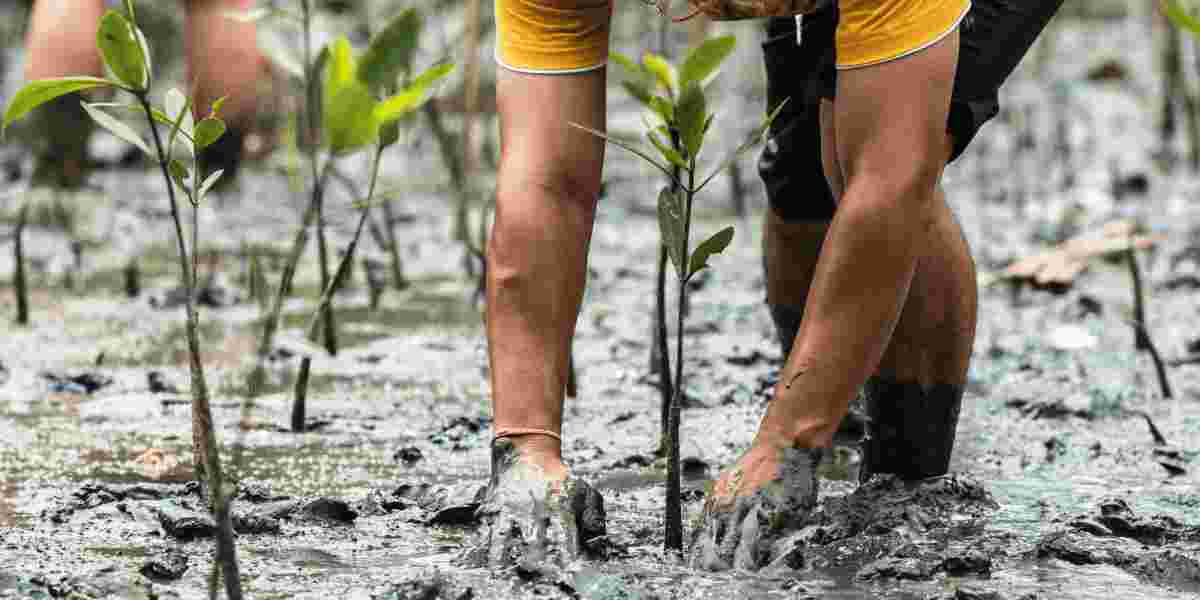 We are committed to creating travel experiences that connect Japanese travelers to Kenya’s natural and cultural heritage through responsible and sustainable eco-tourism. We recognize that modern Japanese travelers are increasingly drawn to journeys that go beyond sightseeing, experiences that emphasize learning, environmental stewardship, and meaningful cultural exchange. Our sustainable travel programs in Kenya are designed precisely with this in mind: to integrate wildlife exploration, local community engagement, and active participation in conservation efforts. Kenya stands as one of the most biologically diverse destinations in Africa. From the iconic savannahs of the Maasai Mara to the coastal forests and highland ecosystems, the country offers unmatched opportunities to witness wildlife in its natural environment. However, what makes our approach distinctive is the emphasis on conservation-driven travel. Our itineraries are structured to ensure that every visit contributes directly to environmental preservation, scientific research, and community empowerment. Travelers from Japan can engage with ongoing conservation initiatives, gaining firsthand insight into Kenya’s efforts to protect endangered species and restore fragile ecosystems. Through carefully designed programs, participants have the opportunity to join wildlife monitoring teams, assist in data collection for ecological research, and support habitat restoration projects. These immersive activities allow travelers to understand the delicate balance between human activity and natural sustainability. We ensure that every project we partner with operates ethically, transparently, and with measurable impact. This approach not only enriches the traveler’s experience but also ensures tangible benefits for the communities and wildlife involved. Cultural exchange forms another vital aspect of our sustainable travel model. Japanese travelers can interact directly with Indigenous groups such as the Maasai, Samburu, and coastal Swahili communities, whose traditional knowledge and conservation practices have preserved Kenya’s ecosystems for generations. These encounters foster mutual respect and understanding, encouraging travelers to appreciate the interconnectedness between culture and environment. We work closely with local partners to provide authentic, educational, and respectful experiences that align with both Kenyan and Japanese values of harmony with nature. Our programs also emphasize responsible travel behavior. We educate participants on minimizing ecological footprints, respecting wildlife boundaries, reducing waste, and supporting local economies through ethical choices. Whether it’s selecting eco-lodges powered by renewable energy, participating in reforestation drives, or purchasing community-made crafts, each action contributes to the shared goal of sustainability. For Japanese students, researchers, and mindful explorers, traveling with us offers more than adventure; it represents an opportunity to become part of Kenya’s broader conservation story. We believe that travel should generate lasting benefits, not only for the traveler but also for the destinations visited. By bridging Japanese environmental values with Kenya’s conservation priorities, our programs create enduring partnerships that extend far beyond the journey itself. In choosing sustainable Japanese travel exploring Kenya wildlife and conservation, visitors can be confident that their exploration supports a future where wildlife thrives, communities prosper, and travel becomes a force for genuine environmental change.
What are the Benefits of Guided Biodiversity and Conservation Travel in Kenya for Japanese Participants?
Japanese researchers’ biodiversity conservation in Kenya cultural eco tours are specially designed for Japanese participants seeking meaningful engagement with nature, culture, and scientific exploration. As a professional service provider, we deliver structured and educational travel experiences that combine ecological learning, cultural understanding, and personal development within a safe and well-supported environment. The programs are crafted to offer authentic, guided exposure to Kenya’s rich biodiversity while ensuring that travelers contribute positively to ongoing conservation efforts.
- Guided Access to Protected Areas with Experienced Naturalists: One of the most significant benefits of our programs is guided access to Kenya’s diverse protected areas. Participants are accompanied by experienced naturalists and conservation experts who provide in-depth ecological interpretation throughout the journey. This professional guidance ensures that travelers gain a thorough understanding of local wildlife, ecosystems, and conservation challenges. Japanese participants particularly benefit from structured itineraries that balance exploration with education, allowing them to experience iconic reserves such as the Maasai Mara, Amboseli, and Tsavo through a research-oriented perspective. Our guides explain species behavior, habitat dynamics, and ongoing conservation projects, helping travelers connect scientific knowledge with field observations.
- Cultural Depth through Community Engagement and Indigenous Knowledge Sharing: Our travel programs go beyond wildlife observation to emphasize cultural and community interaction. Participants engage directly with Indigenous communities and local conservation groups, gaining firsthand insight into the cultural dimensions of biodiversity protection. This component allows Japanese travelers to appreciate how traditional ecological knowledge supports sustainable land management in Kenya. Through guided cultural exchanges, storytelling sessions, and community-based conservation projects, participants experience the deep interconnection between nature and local culture. These interactions also promote mutual understanding and respect between Japanese visitors and Kenyan communities, enriching the overall travel experience.
- Skill-Building through Hands-On Conservation Work: Another major advantage of our programs is practical skill development. Travelers take part in hands-on conservation activities such as wildlife monitoring, habitat restoration, species identification, and environmental education. These field-based experiences strengthen participants’ ecological awareness and enhance their scientific observation skills. For Japanese participants, such practical involvement provides an opportunity to contribute meaningfully to global conservation while applying principles learned during pre-departure workshops. Many return home inspired to continue sustainability projects in their local communities, bridging international cooperation in biodiversity preservation.
- Health and Safety through Regulated Tour Providers and Local Support Teams: We place a strong emphasis on health, safety, and comfort. All travel arrangements are managed by certified and regulated tour providers who adhere to strict environmental and safety standards. Our local support teams are available throughout the trip to assist participants with logistics, health matters, and communication. Japanese travelers benefit from the presence of bilingual coordinators and professional interpreters when needed, ensuring clear communication with local guides and researchers. This structure guarantees a secure and well-organized experience that allows participants to focus on learning and discovery.
- Expert Interpretation, Translation, and Research Collaboration: Every program includes expert interpretation, translation support, and access to local researchers. This ensures that Japanese participants fully understand the scientific and cultural information presented during the journey. Our collaboration with Kenyan research institutions enables participants to observe and, where appropriate, contribute to active biodiversity studies, making the trip both educational and impactful.
Essentially, the Japanese biodiversity cultural conservation eco research travel experience in Kenya provides participants with exceptional opportunities to learn, contribute, and connect, safely and meaningfully, with Africa’s natural and cultural heritage.
FAQs on Biodiversity and Conservation Cultural Safaris and Eco Research
We understand that travelers value practical information and clarity before joining a biodiversity or conservation-based cultural safari. Our programs in Kenya are designed to combine educational exploration with meaningful ecological engagement. Here are detailed responses to the most frequently asked questions, prepared to help you plan a confident, insightful, and enriching journey with us.
- What languages are used during these tours? Kenya recognizes both English and Swahili as official languages, with English being the primary medium used during our tours. Experienced in accommodating Japanese guests, we often arrange for Japanese interpreters or provide translated materials to ensure smooth communication. We aim to eliminate language barriers so participants can fully understand the scientific discussions, cultural interactions, and fieldwork instructions without difficulty.
- What is the best season for eco research in Kenya? For travelers and researchers interested in ecological observation, wildlife tracking, or field data collection, the best months to visit are between January and March, and June to October. During these periods, Kenya experiences stable and dry weather, which allows for uninterrupted field activities, clearer wildlife sightings, and more consistent ecological sampling. Our team schedules research programs around these seasons to ensure that participants experience optimal environmental conditions and access to diverse habitats.
- Are these trips suitable for first-time travelers to Africa? Our biodiversity and cultural research safaris are suitable for first-time visitors to Africa. Each itinerary is carefully structured to prioritize safety, comfort, and guided learning. Before departure, we conduct comprehensive briefings that explain travel logistics, cultural etiquette, and fieldwork guidelines. Participants are supported by professional guides, field researchers, and local coordinators throughout the experience. The programs emphasize experiential learning in a secure and well-managed environment, allowing travelers to engage confidently with Kenya’s ecological and cultural landscapes.
- Can Japanese researchers publish findings from these trips? With the appropriate research permits, Japanese scholars and participants are encouraged to publish their findings. Our organization works closely with Kenyan research institutions, national parks, and conservation authorities to ensure all activities comply with local and international research standards. We actively support collaboration between Japanese and Kenyan academics, making joint publication opportunities available for participants who wish to extend their work beyond field observations.
- How do these trips support local communities? Our biodiversity and conservation programs are designed to deliver measurable benefits to local communities. We employ residents as guides, translators, and logistics personnel, ensuring economic participation in conservation tourism. A portion of program fees directly supports infrastructure improvements, educational outreach, and environmental awareness projects. By joining our safaris, travelers contribute to community empowerment, wildlife protection, and sustainable resource management.
We provide an organized, transparent, and research-oriented approach to exploring Kenya’s biodiversity and cultural heritage. Each program merges academic inquiry with authentic cultural engagement, allowing Japanese travelers to experience conservation and eco research through a responsible and rewarding lens.