
 We are proud to introduce the Sweden to Kenya sustainable farm adventures, a unique, purpose-driven travel experience that bridges innovation, learning, and impact. This program has been designed specifically for Swedish participants who are eager to explore Kenya’s dynamic agricultural transformation and engage directly with the technologies and communities shaping its success. Kenya has positioned itself as one of Africa’s most promising centers for climate-smart agriculture and livestock innovation. With its combination of modern agritech applications and centuries-old indigenous farming wisdom, Kenya provides an ideal environment for hands-on learning and collaboration. Our Livestock Tech Safari offers participants an opportunity to move beyond conventional sightseeing. Instead, they embark on a structured, meaningful journey that showcases real-world solutions to some of the most pressing challenges in global food production, animal health, and sustainable land use. During the safari, participants will visit working farms, research centers, and innovation hubs across Kenya’s key agricultural regions. Each site visit is designed to highlight practical, scalable technologies, from digital tools for herd management to renewable energy systems that power remote farms. Participants gain firsthand exposure to technologies that not only improve productivity but also protect the environment and enhance resilience against climate change. These encounters are guided by experienced local experts, agronomists, and innovators who share insights into how technology and tradition can successfully coexist. We ensure that the experience goes beyond observation. The safari is structured to promote active engagement and knowledge exchange. Swedish participants are encouraged to interact with Kenyan farmers, agritech entrepreneurs, and extension officers. This allows for open discussions about what works, what challenges remain, and how these lessons can be adapted in Swedish or European contexts. The program fosters mutual learning, Swedes bring perspectives from advanced agricultural systems, while Kenyans showcase adaptive strategies and community-driven innovation. In addition to farm visits, the safari includes livestock technology showcases, where participants witness innovations in animal health monitoring, breeding efficiency, and sustainable feed production. Demonstrations and workshops offer a closer look at technologies that are revolutionizing the livestock sector, from mobile veterinary platforms to IoT-enabled data collection systems. These tools not only advance productivity but also support ethical, environmentally responsible farming. Cultural integration is another cornerstone of the safari. Participants will experience authentic Kenyan hospitality, cuisine, and traditions, creating a holistic understanding of how agriculture is deeply intertwined with culture and community. This human connection reinforces the sustainability narrative, reminding every visitor that technology must serve people and preserve ecosystems. By the end of the journey, participants return to Sweden inspired and empowered. They carry with them practical insights, professional networks, and a renewed commitment to sustainable agriculture. More than just travelers, they become advocates and implementers of solutions that can strengthen global food systems. The Sweden to Kenya livestock tech safari for sustainable farm adventures is not a vacation; it is an educational, transformative experience that turns curiosity into action and innovation into lasting impact.
Key Program Highlights: Sweden to Kenya Livestock Tech Safari
| Topic | Details |
|---|---|
| Primary Host Country | Kenya |
| Key Tech Focus Areas | Livestock health sensors, solar irrigation, precision feeding |
| Target Participants | Swedish youth, university interns, sustainable agri-preneurs |
| Key Partners | Local farms, tech hubs, NGOs, Homejoy Safari Adventures |
| Best Safari Regions | Laikipia, Rift Valley, Machakos, Nanyuki |
| Program Duration | 10 to 21 days |
| Languages Used | English, Kiswahili (translators provided) |
| Seasonal Best Time | July to October |
Sweden to Kenya Livestock Innovation Tours for Sustainable Farming
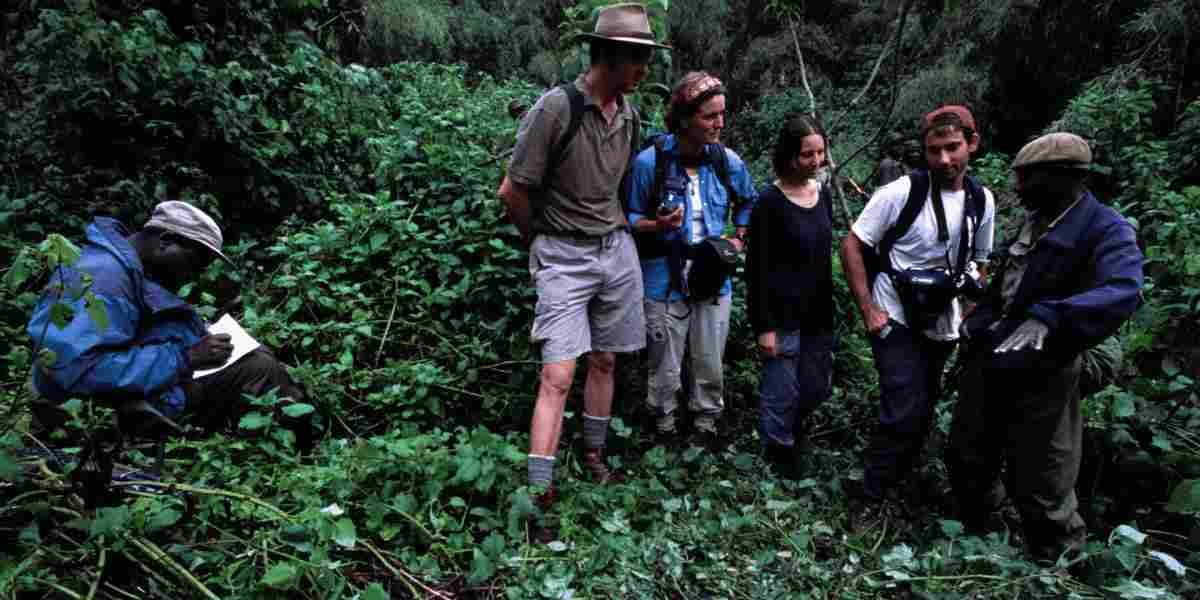 We proudly offer the Sweden to Kenya tours for sustainable farming, a transformative experience designed for individuals, groups, and institutions committed to advancing sustainable agriculture. This initiative provides Swedish participants with direct exposure to Kenya’s rapidly evolving livestock sector, where modern innovation and time-tested farming methods come together to create a resilient and environmentally responsible agricultural system. Our program is not a conventional sightseeing trip, it is a structured, professional immersion into the realities of sustainable livestock farming in East Africa. We ensure participants gain a firsthand understanding of how technology, data-driven decision-making, and indigenous knowledge systems are driving agricultural transformation in Kenya. The tour offers a unique opportunity to explore how climate-smart practices are being implemented to combat challenges such as drought, pasture degradation, and food insecurity. Each itinerary is carefully designed to balance technical learning with practical field experiences. Participants visit model farms, research centers, agri-tech startups, and community-based projects that are successfully integrating renewable energy, water conservation systems, and livestock management innovations. We facilitate direct engagement with Kenyan farmers, researchers, and agripreneurs who are at the forefront of developing sustainable livestock systems. These exchanges promote real knowledge transfer and help Swedish participants appreciate the local context of agricultural innovation. Throughout the journey, participants observe how technology supports productivity and animal welfare in diverse ecological conditions. From automated feeding systems to solar-powered milk cooling facilities, Kenya’s livestock sector demonstrates how small-scale producers can achieve sustainability without compromising profitability. Our tours also highlight how community-based cooperatives, digital extension services, and gender-inclusive approaches are reshaping rural livelihoods. Professional development is a key outcome of the Sweden to Kenya innovation tours. We design every tour to align with participants’ academic, entrepreneurial, or institutional objectives. Whether you are a student researching sustainable food systems, a livestock entrepreneur exploring business models, or a sustainability advocate seeking global insights, our program equips you with actionable knowledge and international perspectives. We take pride in ensuring that every aspect of the tour, from logistics to learning sessions, is handled with precision and professionalism. Participants return home with a deeper understanding of how sustainable farming practices are implemented in dynamic, real-world environments. More importantly, they carry back insights and strategies that can be adapted to Swedish agricultural settings or other global contexts. Ultimately, the Sweden to Kenya livestock innovation tours for sustainable farming is more than an educational experience, it is a practical exchange platform where ideas evolve into partnerships. It bridges two regions committed to agricultural sustainability, fostering collaboration that benefits farmers, researchers, and innovators alike. We invite you to join us on this purposeful journey and be part of shaping the future of livestock farming through innovation, learning, and global cooperation.
Why Kenya Is the Best Fit for Sustainable Livestock Technology Exchanges
Committed to ensuring cross-cultural agritech collaborations between Sweden and Kenya, we recognize the destination as the most strategic and practical destination for livestock technology exchanges. Kenya’s unique combination of environmental diversity, strong technological infrastructure, and progressive agricultural policies makes it the ideal setting for implementing and observing sustainable livestock innovations. Kenya offers an exceptional environment for hands-on learning and technology transfer in livestock management. Its wide range of climatic conditions, from the arid north to the fertile highlands, creates natural laboratories for testing and adapting livestock technologies. Participants can witness how innovations perform across different ecosystems, enabling them to appreciate real-world scalability and resilience. This diversity allows learners to gain exposure to a variety of livestock production systems and sustainability challenges, enhancing the value of the exchange. The nation’s livestock industry is both dynamic and deeply rooted in local livelihoods. Kenya is home to millions of cattle, goats, sheep, and camels, many of which belong to indigenous breeds that have evolved to thrive under challenging climatic conditions. These hardy varieties demonstrate natural resilience to heat stress, drought, and diseases, making them ideal subjects for sustainable breeding and management programs. For service providers facilitating exchanges, this diversity offers unmatched opportunities to showcase how traditional knowledge and modern technologies can complement each other to achieve long-term productivity and sustainability. In addition, the Kenyan government actively supports the development and exchange of sustainable livestock technologies. Through various agricultural policies and partnerships, the government provides incentives that promote sustainable livestock production and agri-tourism. These programs make it easier for international participants to engage in organized farm visits, training sessions, and collaborative research activities. The country’s openness to innovation and its clear regulatory framework ensure that visitors can operate in an enabling environment conducive to learning and exchange. Kenya also hosts well-established networks that facilitate international farm and research collaborations. Local farmers, cooperatives, and educational institutions regularly engage with international guests to share practical insights on livestock management, feed innovations, and climate-smart technologies. As service providers, we leverage these networks to create meaningful connections between visiting professionals and local practitioners. The hospitality and openness of Kenyan farmers enhance the learning experience, ensuring that every participant gains firsthand exposure to sustainable practices that can be replicated elsewhere. Equally important are Kenya’s strategic innovation hubs, which play a crucial role in advancing agricultural technology. Nairobi’s iHub serves as a center for technological creativity and digital innovation, connecting entrepreneurs and researchers across disciplines. Meanwhile, the Kenya Agricultural and Livestock Research Organization (KALRO) leads scientific efforts in livestock research and sustainability. Our service partnerships with such institutions enable participants to access the latest data, tools, and methods driving the transformation of the livestock sector. Key strengths include:
- Diverse livestock breeds, including indigenous hardy varieties
- Government incentives for sustainable livestock tours
- Established farm exchange networks that welcome international guests
- Strategic collaboration hubs like iHub Nairobi and Kenya Agricultural & Livestock Research Organization (KALRO)
Relevantly, Kenya combines ecological variety, supportive policies, research excellence, and cultural openness to provide the best possible foundation for sustainable livestock technology exchanges. We are confident that facilitating sustainable livestock tours with smart farming demonstrations in Kenya ensures participants experience innovation that is practical and scalable. This makes Kenya not just a location of choice, but the benchmark for sustainable livestock development in Africa and beyond.
Eco-Friendly Swedish Farm Tech Safari Experiences in Kenya
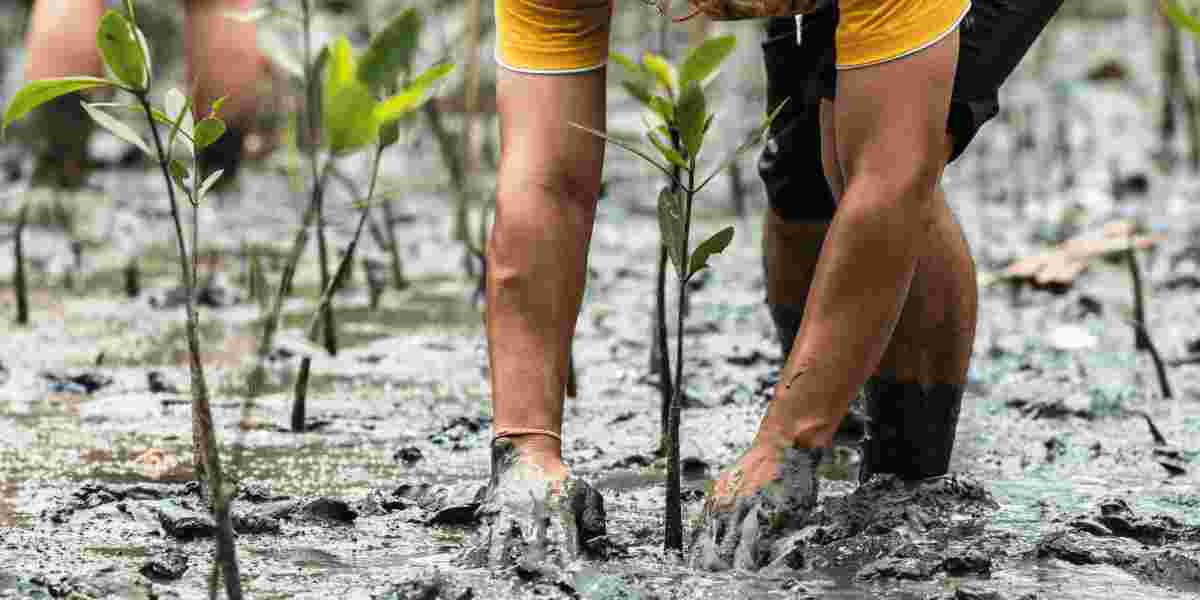 We proudly present eco-friendly Swedish agri safari experiences in Kenya, an innovative travel program designed to merge sustainability, technology, and agricultural discovery. This unique journey offers Swedish explorers an authentic opportunity to experience how modern agri-tech practices are transforming traditional African farming. Our safaris are structured for travelers who want more than leisure; they are built for learners, innovators, and environmental advocates eager to witness real-world applications of sustainable farming systems. The foundation of our farm tech safaris lies in promoting green innovation and cross-continental collaboration. We provide immersive experiences that highlight how Kenya’s agricultural communities are adopting technologies that align with Sweden’s environmental values. From solar-powered irrigation and smart feeding systems to livestock health monitoring and climate-resilient crop management, participants engage with cutting-edge practices that contribute to both productivity and ecological balance. Each visit is thoughtfully curated to demonstrate how clean energy and precision technology can enhance rural livelihoods while protecting natural ecosystems. Our safaris are not just tours; they are learning expeditions. Participants engage directly with farmers, agri-engineers, and researchers who are leading Kenya’s sustainable agriculture movement. The goal is to foster meaningful knowledge exchange between Swedish participants and Kenyan innovators. Visitors gain first-hand insights into digital farming tools, sustainable water management systems, and data-driven animal care, all vital to reducing carbon footprints and improving food security. These interactions build valuable global networks for professionals, students, and sustainability enthusiasts seeking to contribute to climate-smart agricultural development. We take pride in ensuring that every aspect of our safari is eco-conscious. Transportation and accommodation options are carefully selected to minimize environmental impact, with a focus on locally sourced, renewable, and biodegradable materials. Participants can explore breathtaking landscapes, from highland dairy farms to arid-zone innovation hubs, while knowing their journey supports responsible tourism. Through community engagement initiatives, travelers also contribute to local projects focused on reforestation, clean energy adoption, and rural education. We are committed to creating experiences that combine adventure, learning, and sustainability. Our mission is to bridge the gap between Nordic innovation and African resourcefulness. By hosting Swedish adventurers in Kenya’s dynamic agricultural sector, we help demonstrate how shared environmental goals can unite regions and cultures. The safaris provide not only education but also inspiration, empowering visitors to apply sustainable farming knowledge in their own contexts upon returning home. Whether you are a student eager to learn about smart farming, a professional seeking practical insights into climate-friendly agri-systems, or a change maker aiming to connect with global sustainability networks, our eco-friendly Swedish farm tech safari experiences in Kenya offer the ideal platform. Each program delivers a transformative blend of culture, innovation, and ecological responsibility. Join us to explore, learn, and collaborate in building a greener, smarter agricultural future, where technology and tradition work hand in hand to shape a sustainable world.
What Do You Learn on a Sustainable Farm Adventure from Sweden to Kenya?
Eco-smart sustainable farm adventures for Swedish tourists offer a practical and immersive journey into the world of eco-smart livestock farming. This program connects participants with real-world agricultural practices that bridge Europe’s advanced sustainability systems and Africa’s innovative approaches to climate resilience. The experience is crafted for those who want to learn by doing, combining global agricultural exposure with hands-on, field-based learning. From the progressive livestock technologies of Sweden to the adaptive farming models of Kenya, this cross-continental experience brings together diverse agricultural ecosystems to enhance participants’ technical understanding and professional capability. It’s not a tour; it’s a structured educational engagement where every farm visit becomes a classroom. Throughout the journey, participants gain direct exposure to modern and traditional farming practices that work in harmony with nature. This adventure is ideal for farmers, agricultural students, researchers, and sustainability enthusiasts who wish to explore how global innovation meets local resilience in livestock and crop systems. Participants will learn to analyze, compare, and apply strategies from both regions, enabling them to implement sustainable solutions in their own contexts. The emphasis is on environmental sustainability, economic productivity, and social responsibility. During the adventure, participants gain practical insight into:
- Sustainable Farming Innovations in Kenya: Learn how Kenyan livestock farms are implementing cost-effective, eco-conscious systems that prioritize soil health, water efficiency, and renewable energy use. These approaches demonstrate how sustainability can drive both productivity and profitability.
- Impact of Climate-Resilient Agriculture: Observe how farmers in semi-arid regions of Kenya apply drought-tolerant fodder crops, rotational grazing, and regenerative soil practices to withstand climate change challenges. Understand the direct impact of these innovations on food security and rural livelihoods.
- Cross-Cultural Farming Methodologies: Experience a comparative analysis between Swedish precision farming techniques and Kenyan adaptive practices. This exposure builds a deeper understanding of how social, cultural, and environmental factors shape agricultural success across continents.
- Digital Herd Management Tools: Explore digital livestock monitoring technologies that optimize breeding, health tracking, and productivity management. Sweden’s precision systems and Kenya’s mobile-based applications provide valuable lessons on data-driven decision-making for sustainable livestock management.
- Eco-Smart Livestock Safari Operations: Visit Kenyan ranches that combine conservation with production efficiency. Learn how wildlife coexistence, sustainable grazing, and eco-tourism models enhance biodiversity while supporting community livelihoods.
Our service is designed to provide structured learning with measurable outcomes. We facilitate direct interaction with farmers, agricultural experts, and technology innovators who are redefining sustainability in agriculture. Each participant receives guided mentorship, local exposure, and technical workshops that promote knowledge transfer between Europe and Africa. This green livestock innovation safari in Kenya for Swedish adventurers equips participants with the tools, insights, and global perspective needed to advance sustainable farming practices in today’s rapidly changing agricultural landscape. Through this journey, sustainability becomes not just a concept, but a skill set rooted in real-world application.
Sustainable Livestock Technology Exchange between Kenya and Sweden
 The travel guide between Kenya and Sweden tourism represents a progressive partnership designed to advance climate-smart livestock production through shared innovation and applied research. We are facilitating a structured platform that enables experts, farmers, and institutions from both countries to collaborate on sustainable livestock practices that respond to current environmental, social, and economic challenges. This initiative focuses on technology transfer, digital agriculture, and the co-development of sustainable systems suited to each country’s context. Kenya, with its dynamic agricultural sector and growing demand for resilient livestock systems, provides a valuable testing ground for adaptive technologies. Sweden contributes strong expertise in environmental management, animal health innovation, and sustainable production techniques. By aligning these complementary strengths, the service provider ensures that knowledge exchange leads to measurable improvement in livestock productivity, welfare, and sustainability outcomes. The exchange goes beyond academic or technical cooperation. It is a structured framework for mutual learning where Kenyan farmers and institutions adopt practical technologies such as precision feeding systems, climate monitoring tools, and data-driven animal health solutions. Swedish participants, including researchers and agritech investors, gain the opportunity to apply their innovations in new environments while learning from Kenya’s experience with smallholder-driven, community-based production systems. This collaboration promotes solutions that are both technologically advanced and socially inclusive. Our approach as the service provider emphasizes direct engagement, field-based demonstrations, and continuous capacity building. Joint workshops, pilot projects, and digital training programs are organized to ensure that all participants, farmers, technicians, and policymakers, gain practical knowledge applicable to their own operations. We prioritize the co-design of interventions to guarantee that technologies are affordable, locally adaptable, and environmentally responsible. A key component of the Kenya–Sweden exchange is its contribution to climate action. Livestock systems are highly affected by climate variability, and both nations recognize the importance of mitigating emissions while maintaining food security. Through this collaboration, we promote practices such as improved manure management, feed optimization, renewable energy integration, and genetic selection for resilient breeds. These practices help reduce environmental impacts while enhancing productivity and animal welfare. In addition, the program supports sustainable agribusiness development. Kenyan enterprises benefit from exposure to advanced Swedish research and investment opportunities, while Swedish organizations access emerging markets and valuable insights into tropical livestock systems. The exchange fosters innovation clusters, entrepreneurship, and responsible trade partnerships that can strengthen the livestock value chain in both countries. Ultimately, the sustainable livestock technology exchange between Kenya and Sweden is a model of equitable collaboration. It illustrates how two countries can work together to address global challenges through practical, science-based solutions. As the service provider, we remain committed to ensuring that this partnership continues to deliver measurable impact, advancing sustainability, improving livelihoods, and building a resilient future for livestock production in both nations.
How Swedish and Kenyan Agritech Collaborations Benefit Each Other
At the core of agricultural progress, Sweden to Kenya livestock technology exchange programs represent a powerful blend of innovation, efficiency, and sustainability. These collaborations are not abstract initiatives but practical, mutually beneficial relationships driven by shared goals, improving productivity, building resilience, and transforming farming systems through technology and knowledge exchange. We observe that these partnerships offer tangible results for both nations, bringing together Sweden’s advanced technological expertise and Kenya’s deep understanding of local agricultural realities. The result is a continuous cycle of innovation, adaptation, and growth that enhances the agricultural ecosystem on both sides.
- Mutual Learning and Knowledge Exchange: Both Swedish and Kenyan partners gain through structured knowledge exchange programs that transfer skills and experiences across regions. Swedish experts share insights on precision farming, digital agriculture, and sustainable practices, while Kenyan professionals provide valuable feedback on adapting technology to local climates, soil conditions, and market behaviors. This two-way exchange ensures that innovations are contextualized, practical, and scalable. Regular exchange programs allow Kenyan agronomists to learn about smart farming systems and remote sensing technologies. Swedish researchers gain firsthand knowledge of tropical agronomy, pest management, and community-based farming models. Our facilitation services ensure that the learning remains consistent, measurable, and relevant to both contexts.
- Joint Development of Agritech Solutions: The collaboration extends to the co-development of pilot technologies that directly address field-level challenges. Instead of importing ready-made solutions, Swedish and Kenyan innovators co-create prototypes that reflect local needs and resource capacities. This includes digital platforms for market access, solar-powered irrigation systems, and low-cost precision tools. Pilot projects are often launched in Kenyan counties with direct involvement from Swedish innovation hubs. Kenyan start-ups receive technical mentorship from Swedish engineers, while Swedish companies test their technologies in diverse climatic and economic conditions. We coordinate these initiatives to ensure smooth integration of research, funding, and deployment.
- Affordable and Scalable Sensor Technologies: A key success area has been the low-cost sensor deployment strategies designed to make advanced agritech accessible to smallholder farmers. Swedish firms bring affordable sensor designs, and Kenyan partners customize them for use in small plots and local irrigation networks. This cooperation helps reduce costs and increases technology penetration across rural areas. Affordable soil and moisture sensors improve productivity by enabling data-driven decisions. Collaborative testing ensures durability and compatibility with local farming tools. Through our support, these deployments reach wider farmer groups efficiently and sustainably.
- Capacity Building through Joint Training: To sustain innovation, training workshops are jointly organized by local cooperatives and visiting Swedish agri-innovators. These sessions strengthen local capacity to manage, maintain, and expand the introduced technologies. Farmers receive hands-on training in technology use, data interpretation, and maintenance. Swedish trainers gain practical insights into real-world constraints and user behavior. We oversee these workshops to ensure alignment with long-term development objectives.
Essentially, hands-on livestock tech safari experiences in rural Kenya from Sweden create a balanced ecosystem of innovation where both sides advance together. Sweden contributes world-class technology and sustainable models, while Kenya provides fertile ground for application, feedback, and growth. We ensure that every partnership is guided by shared purpose, practical outcomes, and measurable progress, transforming agriculture into a more productive, resilient, and inclusive sector for all.