
 Committed to promoting meaningful and sustainable travel, we are witnessing a growing wave of Swedish tourists who are redefining what it means to explore responsibly. These travelers are not satisfied with traditional sightseeing or luxury getaways; they are motivated by curiosity, ethics, and a desire to contribute positively to the communities they visit. Kenya’s agri-tech farms have become a remarkable attraction for such visitors, an ideal blend of innovation, sustainability, and cultural exchange. For Swedish tourists, sustainability is not merely a buzzword; it is a lifestyle and a guiding principle. Sweden’s strong environmental consciousness naturally aligns with Kenya’s emerging agri-tech ecosystem, where technology and traditional farming practices come together to build resilience and promote food security. As a service provider, we facilitate travel experiences that allow our guests to engage directly with farmers, innovators, and rural communities who are pioneering sustainable agriculture through technology. These tours offer hands-on exposure to renewable energy use, data-driven farming techniques, and eco-friendly crop management systems that are transforming Kenya’s agricultural landscape. When Swedish travelers visit Kenya’s agri-tech farms, they gain insight into how innovation operates in a real-world, developing context. The experience goes beyond observation, it involves participation. Visitors have the opportunity to work alongside farmers who use solar-powered irrigation systems, digital monitoring applications, and precision farming tools to optimize yields while conserving resources. These immersive sessions are designed not only to educate but also to inspire Swedish visitors to appreciate the shared global responsibility of sustainable food production. Our agri-tech travel programs are structured to ensure both environmental and social benefits. Swedish tourists engage in activities that support local enterprises, enhance community livelihoods, and preserve ecosystems. Each itinerary includes visits to smallholder farms that practice regenerative agriculture, using composting, crop rotation, and soil restoration to protect biodiversity. Travelers also explore local markets and innovation hubs, witnessing how young Kenyan entrepreneurs are leveraging technology to solve food and climate challenges. This exposure builds a bridge between Scandinavian eco-consciousness and African ingenuity. Moreover, we emphasize cultural immersion as an essential part of sustainable travel. Guests are encouraged to learn about Kenyan traditions, cuisines, and agricultural heritage, fostering mutual respect and understanding. From the serene highlands to the sunlit plains, every visit contributes to rural development through tourism revenue and knowledge exchange. Swedish travelers often describe the experience as transformative, an encounter that reshapes how they think about sustainability, innovation, and global cooperation. In essence, Swedish tourists exploring Kenya’s agri-tech farms sustainable travel get far more than an educational journey, as it is a purposeful travel experience that embodies sustainability in action. We design these programs to create meaningful impact for both travelers and host communities. For Swedish tourists seeking a deeper, more responsible way to see the world, Kenya offers not just scenic beauty but a living classroom of sustainable innovation. This is sustainable travel at its best, ethical, interactive, and genuinely rewarding.
Core Agri-Tech Innovations on Kenyan Farms That Inspire Swedish Eco-Travelers
| Agri-Tech Innovation | Description | Benefit for Visitors |
|---|---|---|
| Drip Irrigation | Delivers water directly to plant roots | Conserves water, boosts yields |
| Mobile Soil Sensors | Measures pH and nutrients in real-time | Enables precision farming |
| Solar Cold Storage | Preserves crops using solar energy | Reduces post-harvest losses |
| Vertical Farming | Space-efficient urban agriculture | High productivity in small spaces |
| Biogas Digesters | Converts waste to energy | Demonstrates circular economy |
From Stockholm to Kenya Agri-Tech Safari Tours for Sustainable Travelers
 We design purposeful travel experiences that connect sustainability, technology, and culture. Our agri-tech safari tours from Stockholm to Kenya are crafted for travelers who want more than a typical vacation. Swedish eco-travelers today are increasingly seeking meaningful journeys, ones that engage their minds, challenge their perspectives, and align with global sustainability objectives. Our tours meet that demand by offering direct exposure to Kenya’s rapidly advancing agricultural innovation, where technology and traditional wisdom come together to build a more sustainable future. These tours provide an immersive field-based learning experience that introduces participants to Kenya’s thriving agri-tech ecosystem. Travelers witness firsthand how local farmers and entrepreneurs are transforming agriculture through solar-powered irrigation systems, mobile-based crop monitoring apps, precision farming tools, and circular waste management techniques. By engaging with farmers, community leaders, and innovators, our guests gain a deeper understanding of how technology is addressing real-world challenges such as climate change, food insecurity, and water scarcity. Unlike standard safaris or leisure holidays, our safari Tours blend responsible tourism with practical education. Every itinerary is carefully curated to balance learning and cultural discovery. Participants spend time in rural farming regions, visit agricultural innovation hubs, and attend interactive sessions led by local experts. Along the way, travelers also experience Kenya’s diverse cultural heritage, sampling local cuisine, exploring traditional crafts, and engaging in meaningful dialogue with community members who are shaping the future of sustainable agriculture. For Swedish travelers, these tours serve as a bridge between Nordic sustainability values and African innovation. Sweden’s strong commitment to renewable energy, ethical consumption, and environmental protection resonates deeply with Kenya’s efforts to build resilience through technology and sustainable farming. Through this exchange, our guests return home not only inspired but also equipped with practical knowledge and ideas that can be applied in their own communities and professions. We believe travel should contribute positively to both the visitor and the destination. Our Agri-Tech Tours are designed with sustainability at the core, from low-carbon travel arrangements to eco-friendly accommodations and community-based partnerships. Each journey supports local development initiatives, ensuring that tourism directly benefits farmers, women’s cooperatives, and youth enterprises. By choosing our tours, travelers become active participants in global cooperation for sustainability, contributing to both environmental preservation and economic empowerment. Ultimately, from Stockholm to Kenya agri-tech safari tours for sustainable travelers is more than a tagline; it represents a movement toward responsible exploration and shared learning. Our mission is to connect Swedish travelers with real stories of innovation, resilience, and progress in Kenya’s agricultural landscape. Every traveler who joins us plays a part in advancing climate action, promoting sustainable food systems, and strengthening the bond between the two regions committed to a greener future.
How to Prepare for a Kenyan Agri-Tech Visit from Sweden
Preparing for sustainable agri-tech farm tours in Kenya for Swedish tourists is not just about travel logistics, it’s about bridging innovation, sustainability, and global agricultural insight. As a service provider dedicated to ensuring that Swedish visitors experience the best of Kenya’s agricultural technology, we emphasize that preparation goes far beyond simply boarding a plane. Kenya’s agri-tech sector is a dynamic ecosystem driven by innovation, smallholder empowerment, and climate-smart farming methods. To make the most of such an immersive experience, proper planning ensures visitors are comfortable, culturally sensitive, and ready to engage meaningfully with local experts and technologies. Kenya’s agricultural landscape offers a rare blend of traditional farming wisdom and cutting-edge agri-tech innovation. From smart irrigation systems and solar-powered cold storage to data-driven crop management, visitors can witness how sustainability and technology merge in real-world applications. However, to truly benefit from this visit, Swedish travelers must prepare thoughtfully. We ensure every traveler is equipped with both practical essentials and cultural understanding.
- Climate Readiness: Kenya’s climate varies depending on the region, but most agri-tech farms are located in warm, semi-arid, or tropical areas. Swedish visitors should pack light, breathable clothing suitable for daytime field visits, along with a few warm layers for cooler evenings. Eco-friendly sunscreen and a wide-brimmed hat are vital for protection under the African sun. As a service provider, we recommend packing reusable water bottles and light rain gear to stay hydrated and prepared for sudden showers.
- Health Check: Health preparation is crucial. Before traveling, visitors should ensure they are up to date with vaccinations recommended for Kenya, such as yellow fever, typhoid, and hepatitis. We advise scheduling a consultation with a travel health clinic at least six weeks prior to departure. Carrying a basic medical kit with essentials like bandages, antiseptics, mosquito repellent, and prescription medication ensures readiness for field conditions. Our team also guides travelers on local healthcare access and provides emergency support contacts throughout the visit.
- Travel Insurance: Comprehensive travel insurance is non-negotiable for this kind of trip. It should cover medical emergencies, rural accommodation, and farm-site visits. Since many agri-tech projects are situated outside major cities, coverage that includes evacuation and rural healthcare access is essential. We assist participants in identifying suitable insurance packages tailored to farm-based itineraries and sustainable travel needs.
- Tech Familiarity: Before the visit, we encourage travelers to familiarize themselves with key agri-tech concepts and terms. Understanding topics such as precision farming, drip irrigation, biofertilizers, and digital farm monitoring enhances engagement during field demonstrations. Our pre-departure briefing includes an overview of Kenya’s agricultural innovation trends and current sustainability initiatives.
- Cultural Etiquette: Cultural understanding enriches every interaction. Learning a few Swahili greetings, such as “Jambo” (hello) or “Asante” (thank you), creates an immediate connection with local hosts. Simple gestures like exchanging small, locally made gifts demonstrate respect and appreciation. We also brief travelers on social norms, communication styles, and the spirit of community that defines Kenyan hospitality.
By partnering with us, visitors can engage in inclusive eco-tourism connecting Swedish travelers with Kenyan agriculture. Preparation not only ensures comfort and safety but also enables meaningful participation in Kenya’s growing agricultural innovation story.
Eco-Friendly Swedish Travel to Kenya’s Smart Agriculture Innovation Hubs
 We specialize in connecting Swedish travelers with responsible and educational travel opportunities that promote sustainability and global cooperation. Eco-friendly Swedish safari to Kenya is one of our signature programs designed to align with Sweden’s strong environmental values while providing an authentic learning experience in Africa’s dynamic agri-tech landscape. This initiative moves far beyond ordinary tourism, it combines travel with purpose, innovation, and mutual growth. Kenya has rapidly become a leader in smart agriculture and sustainable food systems, offering models that respond directly to the challenges of climate change. Through our program, travelers from Sweden have the chance to visit innovation hubs that demonstrate how technology and traditional farming methods can coexist productively. These centers showcase practical applications of smart irrigation systems, renewable-energy-powered cold storage, precision farming, and mobile technology that supports smallholder farmers. The experience provides a clear view of how Kenyan communities are transforming agriculture into a resilient and eco-friendly enterprise. We structure each itinerary to ensure participants engage meaningfully with Kenyan innovators, researchers, and community organizations. Rather than passively observing, Swedish travelers participate in field demonstrations, workshops, and collaborative discussions about sustainable agriculture. The aim is to create two-way learning: travelers share Swedish environmental perspectives while learning firsthand how Kenyan solutions are addressing local and global food security concerns. This approach fosters respect, cultural understanding, and tangible knowledge exchange. Our commitment as a service provider is to ensure every trip remains environmentally responsible. We partner only with locally certified eco-lodges, use transportation options that minimize carbon output, and promote low-impact travel practices. Meals are locally sourced, often from the same sustainable farms our guests visit. This allows travelers to experience a closed-loop food system while supporting Kenya’s local economy. Additionally, a portion of each tour’s proceeds is reinvested into community projects that expand training and access to sustainable farming tools for smallholder farmers. For Swedish travelers, especially those from Stockholm and other environmentally conscious regions, this journey offers more than sightseeing. It provides the opportunity to participate in real-world solutions to global sustainability challenges. Visitors return home not only with memories but with actionable insights that can inspire sustainable living and innovation back in Sweden. The connection between Sweden’s environmental leadership and Kenya’s practical agricultural advancements makes this program a model of cross-continental collaboration. Ultimately, eco-friendly Swedish travel to Kenya’s smart agriculture innovation hubs is a platform for partnership. It aligns Sweden’s progressive sustainability mindset with Kenya’s hands-on technological solutions. We are proud to facilitate this bridge, empowering travelers to witness, contribute to, and learn from Africa’s thriving green innovation movement. Through responsible travel, we help turn curiosity into contribution and promote a shared vision for a sustainable global future.
What Are the Key Sustainable Practices Seen on These Farms?
Committed to facilitating smart farming volunteer placements in Kenya for Swedish citizens, we have observed that the most successful agri-tech farms share a clear dedication to sustainability as a core operational principle. These farms are not only producing more food efficiently but are doing so in ways that conserve natural resources, reduce emissions, and empower rural communities. Through our direct engagement and field support, we have identified several key sustainable practices that define the current landscape of environmentally responsible farming in Kenya.
- Water Recycling-Rainwater Harvesting and Reuse Systems: A major priority for agri-tech farms is water conservation. Many farms have adopted advanced rainwater harvesting and water-reuse systems to ensure a consistent water supply even during dry periods. These systems capture rainfall, store it in reservoirs or tanks, and redistribute it through drip irrigation technologies. By recycling wastewater from washing or processing areas, farms minimize water wastage and maintain soil moisture levels. Our service has supported the installation of such systems, ensuring farmers can operate year-round while protecting local water sources from over-extraction.
- Soil Regeneration-Use of Compost and Cover Crops: Healthy soil is the foundation of sustainable production. On these farms, we have promoted soil regeneration techniques such as the application of organic compost and the use of cover crops. Composting converts farm waste into valuable organic fertilizer, improving soil fertility and structure. Cover crops like legumes add nitrogen naturally, prevent erosion, and increase biodiversity in the soil. By implementing these methods, farms reduce dependency on chemical fertilizers and maintain long-term productivity. Our initiatives focus on training farmers to integrate these regenerative practices into their cultivation cycles effectively.
- Renewable Energy-Solar Pumps and Biodigesters: Energy efficiency is another defining aspect of sustainability. Many Kenyan farms are transitioning from fossil fuels to renewable energy sources. Solar-powered pumps have become widely used for irrigation, reducing operational costs and lowering carbon footprints. Similarly, biodigesters are being introduced to convert livestock waste into biogas, which provides clean cooking and heating energy for farm operations. As a service provider, we actively facilitate access to renewable energy technologies, making them more affordable and scalable for small and medium-sized farms.
- Digital Monitoring- Real-Time Data on Weather and Pest Risks: Technology now plays a vital role in sustainable farming. Through digital monitoring tools, farmers receive real-time updates on weather conditions, soil health, and pest activity. This data enables more precise decision-making, helping farmers apply inputs only when needed and in the right amounts. Our digital platforms integrate sensors and mobile applications that improve risk management and minimize losses, ensuring sustainable productivity even under unpredictable climate conditions.
- Inclusive Farming-Gender-Sensitive Training Programs: Sustainability also depends on social inclusivity. We have prioritized gender-sensitive training programs to ensure that women and youth have equal access to agri-tech knowledge and resources. By fostering inclusive participation, these programs enhance community resilience and create opportunities for equitable economic growth. Our services promote diversity in agricultural leadership and capacity-building at every level of the value chain.
Needless to say, cultural agri-tech experiences in Kenya for Swedish visitors represent a collective movement toward a resilient and equitable food system. We remain dedicated to strengthening these efforts and ensuring that sustainability becomes the standard for modern farming in Kenya.
Sustainable Agri-Tourism in Kenya Attracting Eco-Conscious Swedes
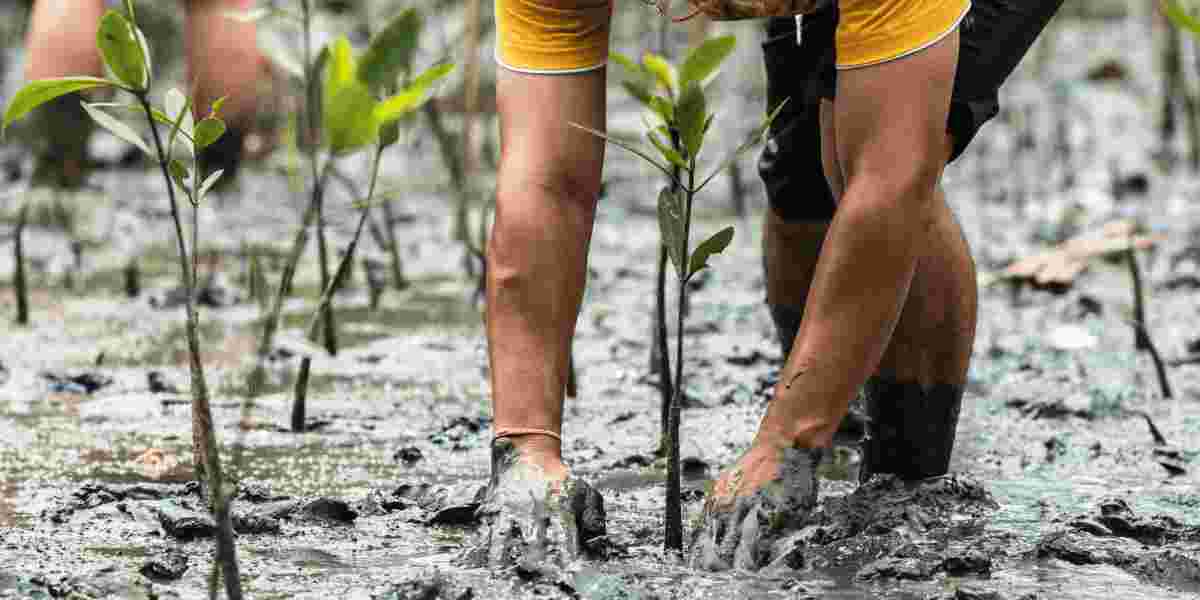 As global awareness of sustainability continues to grow, more Swedish travelers are seeking meaningful, eco-friendly travel alternatives. At our organization, we are proud to offer viable agri-tourism experiences in Kenya specifically designed for environmentally conscious visitors from Sweden. This unique travel opportunity goes beyond sightseeing, it connects travelers to the roots of sustainable living through real engagement with Kenya’s agricultural innovation, green technology, and local communities. Our agri-tourism programs invite Swedish visitors to explore Kenya’s vibrant farming ecosystems and discover how technology and traditional knowledge merge to create a sustainable future. Guests can spend time on farms that use solar-powered irrigation systems, organic crop rotation, and climate-smart soil management. These practices not only promote environmental resilience but also demonstrate the impact of sustainable agriculture on food security and rural livelihoods. By experiencing these systems firsthand, our travelers see how innovative agri-tech solutions are helping farmers adapt to changing climates and preserve biodiversity. Eco-conscious Swedes, known for their strong commitment to environmental values, find our tours particularly rewarding because they align with their personal principles. Instead of a typical resort holiday, participants engage in hands-on learning, helping with organic composting, understanding water conservation methods, and even participating in workshops on sustainable farm management. Every activity is designed to offer practical insight into how sustainability can be achieved through everyday agricultural practices. We also emphasize cultural connection as a key part of our sustainable travel model. Our guests interact with Kenyan farmers, entrepreneurs, and community leaders who share their experiences and challenges in implementing sustainable farming methods. This exchange of knowledge fosters global understanding and inspires visitors to apply similar values back home in Sweden. Many travelers express that this experience transforms their view of sustainability from a theoretical concept into something tangible and achievable. Beyond the agricultural and cultural engagement, our trips support local economic empowerment. Every visit contributes directly to the communities involved, helping fund local education programs, cooperative farming initiatives, and environmental restoration projects. This ensures that agri-tourism benefits both visitors and hosts, creating a model of responsible travel that strengthens local resilience while offering Swedish tourists a purposeful and memorable journey. For Swedish travelers who value environmental ethics, scientific innovation, and meaningful cultural immersion, our Sustainable Agri-Tourism in Kenya provides the perfect balance. It combines eco-friendly travel with experiential learning, allowing participants to connect their environmental ideals with real-world action. Whether exploring a solar-powered dairy farm, studying organic horticulture, or understanding carbon-neutral crop production, every moment offers education, inspiration, and impact. We believe sustainability should not just be observed, it should be lived and experienced. By choosing sustainable agri-tourism in Kenya attracting eco-conscious Swedes, travelers are not only exploring a destination but also joining a global movement toward responsible travel and environmental stewardship. This is more than a vacation; it is an opportunity to witness the future of farming, climate resilience, and cross-cultural cooperation in action.
Where Are the Best Agri-Tech Farms to Visit in Kenya?
Kenya stands out as one of Africa’s most dynamic agricultural innovation destinations. The country’s commitment to Stockholm travelers exploring green farming innovation in Kenya has positioned it as a regional leader in agri-tech development. For Swedish travelers interested in practical agricultural experiences, Kenya offers an unmatched opportunity to explore modern farming systems while connecting with local communities and learning about environmentally responsible food production. We design specialized visits that highlight Kenya’s most advanced agri-tech farms, ensuring travelers experience both education and inspiration. Each destination combines modern technology, local innovation, and community engagement, giving Swedish visitors a clear picture of how Kenya is shaping the future of agriculture. Here are some of the best agri-tech farms and centers to visit;
- Thika Smart Irrigation Farms – Best for Drip Systems: Located just outside Nairobi, Thika is a hub for intelligent irrigation systems. These farms demonstrate how precision agriculture and automated drip systems maximize water use efficiency in a semi-arid environment. Visitors can learn how Kenyan farmers apply moisture sensors, pressure regulators, and solar-powered pumps to maintain optimal crop yields. As the service provider, we facilitate guided tours where Swedish travelers can interact with agronomists, observe real-time irrigation operations, and gain practical knowledge on scalable water management solutions suitable for both small and large farms.
- Eldoret Agri-Hubs – Innovations in Maize and Dairy: Eldoret is recognized for its strong agricultural foundation and advanced agri-hub model integrating research, technology, and production. The region’s maize and dairy farms showcase innovations in seed development, digital soil testing, and automated feeding systems. Through our organized programs, visitors can engage with farm technicians, see how artificial intelligence tools are being used in yield forecasting, and understand how local cooperatives benefit from these systems. Eldoret’s blend of tradition and innovation provides Swedish travelers with an insightful look into Kenya’s core food production sectors.
- Naivasha Green Tech Center – Ideal for Solar and Greenhouse Technology: Naivasha is famous for its greenhouse farming and solar-powered agribusiness models. The Green Tech Center provides an excellent overview of how renewable energy drives sustainable horticulture. Swedish guests can explore hydroponic systems, temperature-regulated greenhouses, and integrated pest management techniques. The service provider ensures personalized sessions with local engineers who explain how solar energy reduces costs and enhances productivity in Kenyan agritech.
- Machakos Youth Farms – Focus on Social Entrepreneurship: Machakos is a vibrant example of how technology and youth empowerment intersect. The Youth Farms initiative trains young entrepreneurs to adopt digital farming tools, from mobile soil testing apps to drone surveillance systems. Visitors can engage directly with youth innovators, learning how technology creates employment and improves food security. Our curated trips emphasize collaboration, knowledge exchange, and practical demonstrations.
- Nakuru Agri-Tour Circuits – Comprehensive Tours for Swedish Groups: For those seeking a broad perspective, Nakuru offers well-structured agricultural circuits featuring livestock breeding centers, smart greenhouses, and mechanized crop farms. The tours cater specifically to Swedish groups interested in comparative learning between Nordic and African agri-systems. As the service provider, we manage end-to-end arrangements including translation, logistics, and technical interpretation.
Educational agri-tourism experiences for Swedish families in Kenya present an engaging experience for travelers eager to understand sustainable food systems firsthand. Each of these destinations embodies practical innovation, making Kenya the ideal choice for Swedish visitors seeking the best agri-tech farms to visit.
FAQs on Tourists Exploring Agri-Tech Farms Travel in Kenya
This section provides detailed answers to the most frequently asked questions from Swedish tourists exploring agri-tech farms in Kenya. Our goal is to help travelers, students, and families plan their visits confidently and experience Kenya’s modern approach to sustainable agriculture. Our farm tours are designed to combine education, cultural immersion, and exposure to innovative farming technologies that shape Africa’s future food systems.
- Can Families or Students Participate in These Tours? Our agri-tech farm tours are inclusive and suitable for a wide range of visitors. Families, university students, researchers, and sustainability enthusiasts are all encouraged to participate. We regularly host school groups from Stockholm and other Swedish cities as part of educational and environmental exchange programs. The itineraries are customized according to visitor profiles, learning interests, and travel goals. For students, we coordinate short-term internships and fieldwork placements that provide hands-on experience in smart farming, soil management, and agribusiness innovation. Families with teenagers can enjoy interactive learning sessions and guided field walks designed to suit mixed age groups.
- What Are the Best Times of Year to Visit Kenyan Agri-Tech Farms? The ideal times for tourists exploring agri-tech farms in Kenya are during the planting season (March to May) and the harvesting season (September to November). These periods allow visitors to witness active farm operations, crop monitoring, irrigation practices, and the deployment of agri-tech solutions in real time. Travelers who wish to experience Kenya’s rural beauty under pleasant weather should avoid the peak of the long rains, typically from April to early June, when certain areas may be less accessible. Our team provides seasonal updates and personalized scheduling support to ensure every visitor enjoys the best possible travel conditions.
- How Do I Book a Sustainable Agri-Tech Tour in Kenya from Sweden? Booking with us is straightforward. As a certified eco-tour operator, we specialize in organizing sustainable agri-tech travel packages for international visitors. Our support team assists Swedish travelers with proper documentation, vaccination guidance, and travel insurance recommendations. We provide customized itineraries that include airport transfers, eco-lodge accommodations, and guided farm tours in regions such as Kiambu, Nakuru, and Eldoret. Each package is designed to meet sustainability standards while offering an authentic experience of Kenya’s agricultural innovation. Online booking and virtual pre-trip briefings are available for convenience.
- What Will I Learn on a Kenyan Agri-Tech Farm Tour? Every tour is an educational journey. Participants learn how technology is transforming African agriculture, from mobile-based crop monitoring and digital extension services to the use of solar energy in powering irrigation and cold-chain systems. Visitors also see how bio-waste is converted into clean energy and organic fertilizer. These practical insights benefit students studying environmental science, professionals in the green economy, and families interested in sustainable living. Our guided tours ensure travelers gain a balanced understanding of Kenya’s agricultural resilience, technological creativity, and community-driven sustainability practices.
Through these curated farm visits, we connect Swedish travelers to Kenya’s agri-tech ecosystem in an authentic, safe, and educational way. We take pride in promoting responsible tourism that supports innovation and sustainable development across rural Kenya.