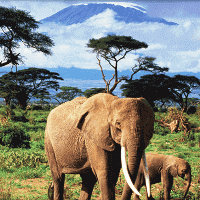
 Kenya wildlife conservation projects are more than a simple travel idea. For many people from Luxembourg, it has become a preferred way to learn, contribute, and explore at the same time. Kenya offers a combination of warm communities, exceptional wildlife, and reliable volunteer programs, making it a destination where visitors can achieve something meaningful while discovering a new culture. We support individuals from Luxembourg by offering carefully organized placements that match their interests, abilities, and goals. Luxembourg volunteers are choosing Kenya because it provides a balance between purposeful work and unforgettable experiences. The country has a strong tradition of community life, and volunteers are welcomed with respect and enthusiasm. When visitors join our programs, they are encouraged to take part in daily activities that matter locally. These include education support, wildlife conservation, and community development. Each project allows volunteers to build practical experience and form real connections with the people they meet. One of the strongest attractions for people from Luxembourg is Kenya’s natural environment. The country is home to some of the world’s most recognized wildlife areas, and conservation work is highly valued. Our programs allow volunteers to assist with wildlife monitoring, habitat preservation, and community education about the protection of natural resources. Participants see the effects of their contribution directly, which strengthens their understanding of conservation challenges and solutions. The time spent in the field helps visitors appreciate the daily work involved in safeguarding nature. Community involvement is equally important. Many volunteers support schools, youth groups, women’s initiatives, and local health programs. While spending time alongside residents, visitors learn about culture, language, food, and traditions. These interactions are not arranged for display; they are part of everyday life. Our role is to ensure that every volunteer is placed where they can be helpful and safe, while also giving them space to build friendships and learn through participation. Volunteers from Luxembourg often comment on the personal growth they experience. They return home with new skills, greater confidence, and a wider world outlook. For many, this type of travel does not end when the trip finishes. They continue to support projects from a distance, share their experiences with friends, and sometimes plan to return. Kenya creates a lasting impression, not only because of its landscapes and wildlife, but also because of the shared work and cooperation that take place during the stay. The demand for well-structured, reliable volunteer opportunities has increased, and Kenya has become a favored choice for this purpose. We focus on clear communication, responsible project management, and constant support. Volunteers know what to expect, and local groups know they can rely on real assistance. Visitors from Luxembourg are not only travelling for leisure; they are seeking connection, contribution, and a chance to make their time abroad count. Kenya volunteer, wildlife & community projects for visitors from Luxembourg continue to grow because they bring together genuine community needs, practical conservation, and a meaningful travel experience.
Volunteer Opportunities in Kenya for Luxembourg Travelers – Wildlife, Community, and Family Projects
| Opportunity | Duration | Location | Activities Involved | Best for |
|---|---|---|---|---|
| Wildlife Conservation | 2–8 weeks | Maasai Mara | Animal tracking, habitat restoration | Nature lovers, conservation students |
| Community Teaching | 1–12 weeks | Nairobi, Kisumu | Teaching English, sports coaching | Gap year students, families |
| Healthcare Volunteering | 4–12 weeks | Mombasa, Nakuru | Assisting clinics, public health talks | Medical students, retirees |
| Family Safari & Service | 2 weeks | Amboseli & Schools | Game drives, school activities | Families from Luxembourg |
Luxembourg Visitors in Kenya for Volunteer Trips for Food Culture & Attractions
 More and more travelers from Luxembourg are deciding to go beyond traditional holidays and are looking for experiences that feel purposeful, educational, and memorable. Kenya has become a leading destination for this kind of travel, especially for those who want to combine a love of culture, food, and adventure with hands-on volunteer opportunities. We have seen a rapid rise in interest from Luxembourg families, students, and active adults who want to do something meaningful while exploring a beautiful and diverse country. Our volunteer programs in Kenya focus on real community needs, while still offering plenty of time for discovery. Visitors from Luxembourg can take part in activities that range from helping at local schools to assisting wildlife rangers, joining environmental care programs, or supporting community kitchens. Every activity is organized with local partners to make sure the work is helpful and respectful. Participants get to see daily life in Kenya, not from a distance, but through shared conversations, teamwork, and simple, practical tasks that make a difference. Food is often one of the biggest highlights for Luxembourg visitors. Kenya’s culinary traditions include fresh vegetables, grilled meats, coconut dishes, and spices that reflect centuries of trade and cultural exchange. Instead of just tasting these meals in restaurants, our visitors often learn how to prepare them alongside community members. Cooking sessions can involve making chapati, ugali, pilau, or traditional stews. For many travelers, these shared meals become some of their strongest memories. It is not simply about eating, but about learning where ingredients come from, how families cook together, and how food reflects identity and hospitality. Alongside volunteering and food, the natural and cultural attractions of Kenya are a huge draw. From the world-famous national parks to coastal towns, craft markets, and historical sites, visitors from Luxembourg are able to discover a country that offers variety in every direction. Safaris, guided walks, museum visits, and conversations with local experts help our guests understand Kenya’s heritage and modern achievements. We make sure that all activities are safe, organized, and age-appropriate, so that every participant feels comfortable and supported. One of the features that makes these trips special is the personal connection that forms between visitors and local communities. We consistently hear that Luxembourg travelers leave Kenya with new friendships, stronger cultural understanding, and a desire to return. Many stay in touch with people they worked with, send updates back home, and encourage others to take part. These stays are not just short-term adventures; they create bonds and memories that remain meaningful long after the trip is over. Our goal is to make the entire journey smooth, respectful, and rewarding. We offer structured programs, reliable guidance, and clear communication so that Luxembourg visitors in Kenya for volunteer trips for food, culture & attractions can focus on learning, helping, and enjoying everything Kenya offers. For anyone who wants a holiday that combines travel with purpose, Kenya continues to stand out as an inspiring destination.
What Kind of Food Can Luxembourg Volunteers Expect in Kenya?
Luxembourg travelers joining Kenya community outreach projects and food tours, one of the first questions they ask is about meals. Food plays a big part in daily life in Kenya, and understanding what will be on the table helps everyone feel more prepared. The short answer is simple: volunteers can expect filling, locally sourced, and flavorful dishes that reflect Kenya’s culture, climate, and farming traditions. Kenyan food is not complicated or full of fancy ingredients. Instead, it is based on fresh produce, grains, and meat cooked in simple ways. Most meals are made at home, often over a hot stove or charcoal fire. Vegetables and fruit are usually grown nearby, so everything tastes fresh. Volunteers often comment that they feel well nourished, as meals are hearty and generous. Anyone who enjoys trying new foods will find plenty of options to taste and learn about. To give a clear idea of what volunteers will encounter, here are some typical foods served during placements, homestays, and community visits:
- Ugali: Maize meal served with meat or vegetables. Ugali is the most common staple food in Kenya. It is made by cooking maize flour in hot water until it becomes thick, firm, and easy to slice. It does not have a strong flavor on its own, which is why it is usually paired with vegetables, stews, or grilled meat. Many volunteers say it feels similar to polenta, but heavier and very satisfying. Meals with ugali are filling and provide energy for long days in the field or community projects.
- Sukuma wiki: Leafy greens similar to kale. Sukuma wiki is a green vegetable cooked with onions, tomatoes, and a little oil. It is often served next to ugali or rice. Families prepare it several times a week because it is affordable and nutritious. The name means “to push the week,” showing how this dish helps stretch food budgets while keeping meals healthy. Volunteers often learn how to cook sukuma wiki during informal kitchen sessions.
- Chapati: Soft flatbread, often homemade. Chapatis are a favourite among volunteers because they are warm, soft, and comforting. The dough is rolled and cooked on a hot pan, sometimes with a touch of oil. Chapati can be eaten with tea for breakfast or served with beans, lentils, or meat during lunch or dinner. Many volunteers enjoy helping shape the dough and learning the folding techniques that create the flaky layers.
- Nyama choma: Grilled meat, especially goat. Nyama choma means “roasted meat,” and it is a popular weekend meal. Goat is the most common, though chicken or beef may also be used. The meat is grilled slowly over open coals and shared in a group. Volunteers often try nyama choma when they accompany hosts to local restaurants or celebrations. The experience is social and relaxed.
- Mandazi: Sweet fried bread. Mandazi is a simple treat, similar to a mild doughnut. It is often eaten with tea in the morning or offered as a snack in the afternoon. Volunteers can expect to see mandazi at community meetings, school visits, or when staying with families.
In cities such as Nairobi or Mombasa, volunteers can taste street food, including roasted maize, samosas, and fresh fruit. In rural programs, volunteers frequently have access to vegetables, beans, and fruit grown on-site. Many of our placements include basic cooking lessons, giving volunteers the chance to practice preparing the dishes they have enjoyed. By the end of a stay, most volunteers know how to prepare one or two Kenyan recipes and often take these skills home. Overall, Kenya offers a dependable mix of fresh produce, local ingredients, and memorable flavors. Volunteers should expect food tours, wildlife and community volunteering packages in Kenya from Luxembourg as part of an experience that goes far beyond eating.
Top Kenya Wildlife Volunteer Programs With Safe Family Options
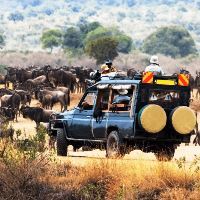 We focus on facilitating Kenya wildlife conservancy programs, which are genuinely suitable for adults, teenagers, and younger children. Kenya is known for its impressive wildlife and the natural experience it offers, but families often worry about health, comfort, and security when they consider volunteer travel. Our role is to make sure that visitors from Luxembourg and other countries can participate in meaningful work while feeling supported, informed, and confident. This is why every program we recommend or organize prioritizes safety, supervision, and reliable accommodations. Families who choose Kenya for wildlife volunteering often look for hands-on activities that allow everyone to learn and contribute. In our programs, participants can join conservation teams working to protect elephants, monitor animal behavior, and maintain protected habitats. These are structured activities run by trained staff rather than spontaneous interactions. Each family receives clear guidance, daily schedules, and supervised routes so that adults and children always know what is happening next. This approach is not only safe, it also helps visitors enjoy the experience without stress. Parents from Luxembourg commonly ask if children can be involved in meaningful ways. The answer is yes, and our programs are designed with this in mind. Children can take part in short nature walks, observe wildlife from secure viewing points, join workshops about animal protection, and learn how rangers collect data. These experiences help them understand how conservation works in real life. We do not expect children to perform difficult physical labor, and we ensure every activity is age-appropriate. Our goal is to create a positive learning environment. Accommodation is another priority. Families stay in comfortable lodges, guesthouses, or eco-camps that meet safety standards. Food, clean water, and transport are arranged in advance so visitors do not have to worry about logistics. All accommodation sites are selected because they are close to conservation zones but still maintain privacy and security. Families can rest, talk about their day, and prepare for the next activity with peace of mind. One of the most appreciated aspects of these programs is that they bring families closer. Being outdoors, sharing meaningful tasks, and talking about wildlife encourage cooperation and strengthen relationships. Parents often tell us that the experience helps children appreciate nature and learn responsibility. At the same time, adults feel a sense of personal satisfaction knowing that their time contributes to a local project with long-term value. Visitors from Luxembourg frequently describe these trips as memorable, educational, and rewarding. They enjoy discovering Kenya’s landscapes, meeting local conservation groups, and seeing wildlife in a responsible way. The programs show that volunteering can be both enjoyable and purposeful, especially when safety and family needs come first. For anyone looking for top Kenya wildlife volunteer programs with safe family options, the service provider offers clear information, supportive planning, and dependable coordination to make the journey smooth, comfortable, and inspiring.
What Family Packages Are Available for Luxembourg Visitors on Kenya Wildlife and Community Trips?
Families seeking safe Kenya volunteer opportunities for Luxembourg families and retirees look for travel options that are safe, exciting, and meaningful. With experience welcoming parents and children, we focus on family-friendly activities, reliable support, and opportunities to learn about nature and culture. Our family trips are not simply about travelling from one destination to another. They are carefully designed to make sure every family member, from younger children to teenagers and adults, feels involved, comfortable, and inspired throughout the journey. Parents often tell us that they want their children to enjoy wildlife, but they also want encounters that feel authentic, respectful and educational. Because of this, our family packages have been created with variety, flexibility and personal attention in mind. We offer a selection of packages specifically suited to guests travelling from Luxembourg. Each trip can be personalized, whether a family prefers a shorter holiday during school breaks or a longer stay with more community participation. Our main goal is to combine Kenya’s world-famous wildlife with safe contact with local communities, guided by professionals who understand family needs. The following options are popular:
- Big Five Safaris + Village Homestays: This package focuses on two highlights: wildlife and community. Families travel with guides through well-known reserves where the Big Five can be observed from secure safari vehicles. These game drives are suitable for children, and our team explains animal behavior, conservation topics and the daily life of rangers in simple, friendly language. After the safari days, families stay in a local village homestay. The environment is comfortable, clean and supervised. Parents and children meet Kenyan hosts, learn how meals are prepared, and experience everyday routines in a respectful and gentle way. This option is ideal for families who want a balance between adventure and personal contact with real people rather than tourist crowds.
- Beach and Bush-Diani Beach plus wildlife volunteering: Some families prefer a combination of beach time and outdoor activity. This package offers both. The first part of the trip takes place along the Indian Ocean at Diani Beach, where families can relax, swim, or try easy water activities suited to children. Afterwards, the group moves inland to a wildlife area where volunteering projects are available. These activities are organized and supervised, and families may help with tasks such as tree planting, maintaining small conservation areas or assisting with educational workshops. It is a gentle way to introduce young travellers to responsible tourism while still enjoying a holiday setting.
- Kenya Culture Camps-Living with the Samburu or Maasai while helping in schools: This package is perfect for families who want a deeper cultural experience. Guests stay near Samburu or Maasai communities, supported by guides and hosts. Families can take part in daily routines, simple craft activities, and enjoy safe walks in the surrounding landscape. A highlight of this trip is assisting in local schools, where families can share basic language practice or storytelling sessions under supervision. Children learn about life in different environments, while parents value the quality time and direct cultural exchange.
Across all options, we facilitate Kenya volunteer programs for Luxembourg families seeking wildlife experiences, with attention to accommodation, meals and safety. Our family packages are designed to offer enjoyable activities that are suitable for different age groups, while also giving families from Luxembourg a chance to contribute to local communities in meaningful ways.
Kenya's Best Attractions for Birding, Trekking, & Community Work
 Kenya stands out as one of the most exciting destinations in Africa for travelers who want to combine nature exploration with meaningful wildlife conservation activity. The mix of dramatic landscapes, strong local traditions, and accessible wildlife creates an environment that is perfect for visitors from Luxembourg who are curious, active, and eager to contribute. At the same time, the opportunities here are not limited to simple sightseeing. With our guidance, guests experience locations where adventure and purpose come together. These experiences allow people to enjoy the natural world while also supporting real community needs. One of the strongest reasons to choose Kenya is its reputation for birding. The country contains wetlands, forests, lakes, and coastal zones that attract a huge range of species throughout the year. Travelers can visit reserves and sanctuaries where observation platforms give clear views of colorful and unusual birds. Some guests spend hours along quiet shoreline paths, scanning shallow water for waders and waterfowl. Others prefer upland habitats, where raptors circle above valleys and open grassland. With the help of local guides and conservation partners, every outing provides a chance to learn about migration, habitat protection, and how important healthy ecosystems are to both wildlife and people. Bird watching in Kenya is not just a hobby; it becomes a memorable part of responsible travel. Kenya is also known for trekking routes that suit walkers of many levels. The highlands offer steady climbs through ancient forests, while volcanic areas present striking views across ridges and crater rims. National parks include well-marked paths through savanna, where hikers may spot large animals at a safe distance. For travelers who want a challenge, multi-day routes are available on major mountains, combining fresh air, exercise, and guided support. Every trail reveals new scenery, from rocky peaks to rolling farmland, and gives visitors a direct connection to Kenya’s varied geography. We assist with logistics, safety planning, and local knowledge so groups can focus on the experience rather than the details. Community work is another important part of what makes Kenya one of the best destinations. Many regions welcome international visitors who want to contribute time and skills. Volunteers may assist in schools, join environmental activities, or help in basic health or childcare settings. This is not tourism from the outside. It is participation within real communities, with respect for local leadership and culture. Tasks are chosen to match the needs of each area, ensuring that work remains useful and appropriate. Travelers often say these programs give them a deeper understanding of daily life, as well as a sense of accomplishment that ordinary holidays do not provide. We make sure the arrangements are thoughtful, responsible, and well-organized. What makes Kenya special is the way these attractions fit together. Birding offers quiet focus, trekking provides adventure, and community work brings people closer to local families and traditions. With our support, visitors can experience Kenya’s best attractions for birding, trekking & community work in one trip. Every region has something different to offer, and every activity teaches something worthwhile. Travel becomes more than entertainment; it becomes discovery, learning, and genuine connection.
What Are the Top Attractions in Kenya for Birding, Trekking, and Cultural Volunteer Stays?
Kenya is widely known for top Kenya attractions for Luxembourg travelers interested in birding and trekking, yet there is much more for visitors who want to volunteer while also seeing the country. The question of what are the top attractions in Kenya for birding, trekking, and cultural volunteer stays is very relevant for Luxembourg travellers, because many of them visit with a purpose: to support communities while enjoying nature. We see that people do not only want photographs of animals. They also want contact with local people, chances to learn, and time outdoors. For this reason, we often recommend several destinations that balance volunteering with adventure. Volunteers who stay in Kenya usually have time off during weekends or between project activities. That is when they look for interesting places that offer birds, hiking routes, community visits, or traditional culture. The locations below are popular because they are easy to reach, safe, and rewarding. They also let visitors understand different parts of the country rather than only the famous safari parks. These options are well-suited for Luxembourg residents who want meaningful travel.
- Lake Nakuru-Famous for flamingos and rhinos: Lake Nakuru National Park is one of the best-known birding areas in Kenya. The lake attracts large numbers of flamingos, pelicans, and many other species throughout the year. It is also a protected area for rhinoceroses, so travellers often see both the black and white species during a game drive. The surrounding hills give the park an open view where volunteers can enjoy quiet time or join guided walks. Because Nakuru town is nearby, it is simple to combine a visit with community work or school activities arranged by us.
- Mount Kenya-Ideal for trekking; second-highest peak in Africa: For those who enjoy hiking and mountain scenery, Mount Kenya offers a strong challenge. The routes vary from gentle forest paths to multi-day climbs that reach higher camps. Even people who do not aim for the summit can enjoy the vegetation, waterfalls, and wildlife on the lower slopes. Trekking here is often combined with conservation projects related to reforestation or education about mountain ecosystems. We help visitors choose a route that fits their fitness level and schedule.
- Maasai Mara-Wildlife safaris and nearby community schools: The Maasai Mara remains one of the most famous areas in Kenya, especially during the season when large numbers of animals migrate into the reserve. Volunteers who stay in nearby villages often visit local schools or health initiatives before going on safari. This mix allows travellers to appreciate both wildlife and daily life of Maasai communities. Local guides explain traditions, livestock care, and conservation concerns, making the experience informative rather than only touristic.
- Kakamega Forest-Rare bird species and medicinal plant research: Kakamega Forest is the last remaining tropical rainforest in Kenya and is an important place for birdwatching. Many species found here are not seen in other parts of the country. Walking trails lead through thick forest, where researchers, students, and volunteers study butterflies, trees, and medicinal plants. People who enjoy learning about nature can join local experts, and there are small community projects linked to forest protection, making it suitable for cultural stays with educational value.
- Lamu Island-Swahili culture and coastal volunteering: Lamu is different from the mainland. It is a coastal island with narrow streets, traditional buildings, and a relaxed pace of life. Visitors experience Swahili culture through food, language, and heritage sites. There are volunteer opportunities in education, beach cleaning, and cultural preservation. The beaches, dhow sailing, and historic town all make Lamu a peaceful place after busy days on project work.
Volunteers often combine their main assignments with short trips to these leading attractions to gain a complete Kenyan experience. These places each offer a careful balance between natural beauty and community involvement. We continue to guide Luxembourg travellers toward destinations that suit their interests in birding, trekking, and cultural volunteer stays, ensuring that their time in Kenya is enjoyable, respectful, and meaningful. Needless to say, this is the most suitable time for Kenya for birding, trekking, and community volunteering from Luxembourg.
FAQs on Kenya Volunteer Projects for Luxembourg Visitors
For many Luxembourg citizens, the idea of travelling to Kenya with a purpose is deeply appealing. Combining exploration with community service offers a unique experience that goes far beyond sightseeing. Our Kenya volunteer projects are designed with Luxembourg visitors in mind, and the questions below are the ones we hear most often. These answers provide clarity about safety, family involvement, language, and what is included, helping every traveller feel confident from the moment they make their booking. Our goal is to ensure that every journey becomes a memorable and meaningful part of life. Our programs welcome volunteers from all backgrounds, though Belgium, France, and Luxembourg travellers often appreciate the reassuring structure we provide. The guidance below reflects how we support people before departure, during their stay, and all the way through their return. Every placement is carefully chosen to be rewarding, educational, and suitable for newcomers to international volunteering.
- How safe is it to volunteer in Kenya? Safety is the question most Luxembourg visitors raise at the very start of their planning. We understand this concern and make it our priority. Every project we offer has been fully checked by our team. Before accepting a new partner location, we personally assess accommodation, work sites, and available transportation. Our local coordinators remain on call at all hours to provide guidance and respond to unexpected situations. When volunteers arrive, we offer an orientation that covers local customs, safe travel habits, and emergency contacts. Because of this preparation, volunteering in Kenya is considered very secure, even for those who have never travelled in Africa before.
- Can children volunteer with their parents? Families from Luxembourg often choose to travel together. Parents want to share new cultures with their children while still contributing to a cause that matters. We welcome family participation and ensure that children receive roles suited to their age, comfort level, and interests. Tasks may include helping with school activities, group games or light support around community centers. Adults may assist with teaching, building projects, or conservation. Being on the same project allows families to experience Kenya as a team, making volunteering memorable for everyone.
- Do I need to speak Swahili? Luxembourg volunteers sometimes worry that language will become a barrier. This is not the case. English is widely spoken across our project sites, so communication is easy for most participants. Swahili phrases are introduced during orientation, and many volunteers enjoy learning basic greetings and expressions because it shows respect and builds warm connections. Although fluency is not expected, curiosity about local language is always appreciated by the communities we work with.
- Are airport transfers and accommodation included? To make travel smooth for Luxembourg citizens, our volunteer packages normally include airport pickups, local transport to the project, and full-board accommodation. Volunteers are met at the airport by trusted staff, taken directly to their lodging, and introduced to the project schedule. Rooms are comfortable, meals are provided, and clean drinking water is available. This structure helps volunteers focus on their work and cultural experience rather than logistics.