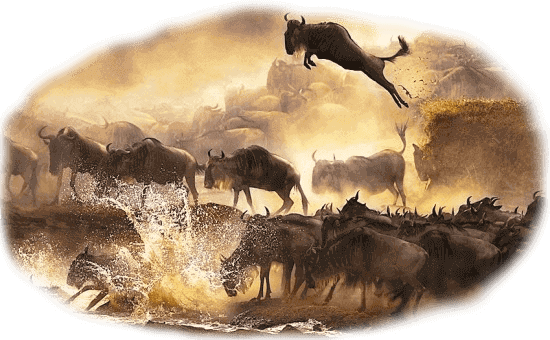
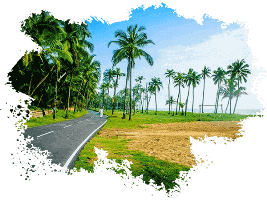
 Kenya is a dream destination where adventure meets relaxation, making it a top pick for Danish tourists looking for both wildlife encounters and beach escapes. Whether it’s the thrill of seeing lions in the wild or lounging on white sandy shores, Kenya delivers a complete holiday experience. The country’s national parks are renowned for their diverse wildlife and unique landscapes. Danish travelers will find the Maasai Mara especially captivating during the Great Migration, when thousands of wildebeest and zebras cross the plains. Amboseli National Park, with its backdrop of Mount Kilimanjaro, offers close-up views of elephants, while Samburu provides a more off-the-beaten-path experience with its rare species and rich cultural interactions. For those looking to unwind after a safari, Kenya’s coastline offers an idyllic escape. Diani Beach is a tropical paradise with swaying palm trees, turquoise waters, and luxurious resorts. Watamu is perfect for snorkeling and marine adventures, while Lamu Island offers a laid-back atmosphere steeped in Swahili history and architecture. These beach destinations are easily accessible from Nairobi or Mombasa, allowing Danish tourists to combine both safari and beach in one seamless trip. Planning the perfect holiday involves knowing the best travel periods. The dry seasons January to March and June to October are ideal for both game viewing and beach weather. These months offer clear skies, minimal rainfall, and abundant wildlife activity. When it comes to travel preparation, Danish tourists should secure their visa online before departure and ensure vaccinations are up to date. Lightweight clothing, sunscreen, and insect repellent are essentials. It’s also highly recommended to book through reputable local tour operators who understand the terrain and ensure safety throughout the journey. Kenya welcomes tourists with warm hospitality, and most areas frequented by travelers are safe and tourist-friendly. With English widely spoken and well-developed infrastructure in key regions, Danish visitors will find navigating the country relatively easy. For travelers seeking value without compromising experience, there are many affordable Kenya safari and beach packages for Danes. These tailored options combine thrilling wildlife adventures with serene coastal stays, offering a well-rounded experience at a reasonable price. Kenya offers a magical blend of excitement and serenity. From sunrise game drives to sunset beach walks, Danish tourists will find Kenya not only unforgettable but also remarkably accessible and rewarding. Every moment in Kenya offers something unique, whether it’s watching elephants trek across dusty savannahs or enjoying fresh seafood by the Indian Ocean. The country's ability to balance wild, untouched nature with world-class hospitality and amenities makes it particularly attractive to travelers from Denmark. The local communities are welcoming, and many Danish visitors appreciate the cultural diversity found in Kenya’s villages and cities. From traditional Maasai dances to Swahili coastal traditions, the human connection adds a rich layer to the travel experience. Whether you’re an adventure seeker or someone looking for a peaceful retreat, Kenya provides both in perfect measure. It’s not just a trip; it’s a journey into a land of contrasts where modern comfort meets ancient wilderness. The combination of breathtaking nature, vibrant culture, and warm hospitality ensures that Danish tourists return home with unforgettable memories and a longing to revisit.
Kenya Safari & Beach Holiday Guide for Danish Tourists
| Category | Top Recommendations |
|---|---|
| Best Safari Time | January to March, June to October |
| Top Safari Parks | Maasai Mara, Amboseli, Samburu |
| Must-See Wildlife | Big Five, Great Migration, Unique Northern Species |
| Best Beach Spots | Diani Beach, Watamu, Lamu |
| Ideal Travel Tips | Vaccinations, eVisa, Light Clothing, Local Tour Operators |
Best Time for Kenya Safari & Beach Holidays for Danish Tourists
Choosing the right time to visit Kenya is crucial for Danish tourists seeking to enjoy the full spectrum of safari adventures and beach relaxation. Kenya’s climate is characterized by dry and wet seasons, and understanding this can significantly enhance your holiday experience. For Danish travelers, the most recommended time to visit is during the dry seasons January to March and June to October. These months offer the clearest skies, minimal rainfall, and the most favorable conditions for both wildlife viewing and coastal relaxation. During the dry months, wildlife tends to congregate around water sources, making them easier to spot on game drives. The Maasai Mara is particularly spectacular from July to October due to the Great Migration, where millions of wildebeest and zebras move in search of greener pastures. This awe-inspiring natural event draws wildlife enthusiasts from around the world. Similarly, Amboseli National Park is known for its large elephant herds and stunning views of Mount Kilimanjaro, especially clear during the drier periods. On the coast, the dry seasons coincide with the best beach weather. Diani, Watamu, and Lamu enjoy warm temperatures and plenty of sunshine, making it perfect for snorkeling, diving, or simply soaking up the sun. The calm seas and clear waters also provide excellent visibility for marine activities. While the wet seasons from April to May and November to early December can still offer beautiful scenery and fewer tourists, they also come with unpredictable weather and the possibility of road closures in some safari parks. This can impact travel plans and limit access to certain areas. For Danish tourists looking to make the most of their time, combining safari and beach activities during the dry months allows for a seamless travel experience. From thrilling wildlife encounters in the heart of the savannah to peaceful beach walks along the Indian Ocean, Kenya provides a balanced, unforgettable adventure. To optimize your itinerary, consider starting with inland safaris, followed by beach time at the coast. Many tour operators offer custom packages that account for seasonal highlights and transitions between destinations. Booking in advance is advisable, especially during peak months like July and August, when accommodation in popular parks can fill up quickly. The best time for Danish tourists to enjoy a Kenya safari and beach holiday is during the dry seasons of January to March and June to October. These months bring together the best of Kenya’s natural wonders from clear blue skies to active wildlife and pristine coastal weather. Game viewing is at its peak during these periods, especially in Maasai Mara, where visitors can witness dramatic scenes like lion hunts and the famous wildebeest migration. Wildlife tends to gather near water sources during the dry months, making sightings more frequent and photo opportunities plentiful. On the coastal side, places like Diani Beach, Watamu, and Lamu offer consistently sunny days, calm seas, and warm waters ideal for beach lovers and marine enthusiasts. Whether you prefer snorkeling, sunbathing, or diving, these months deliver the most rewarding conditions. The dry seasons strike a perfect balance between thrilling safari experiences and tranquil beach escapes, making them the top choice for Danish tourists planning the ultimate African holiday.
When Should Danish Tourists Visit Kenya for Safari and Beaches?
Danish tourists planning a Kenya safari and beach holiday should carefully consider the timing of their trip to maximize the experience. Kenya has two distinct dry seasons January to March and June to October which are the most recommended times to visit. These months offer the best weather conditions for both safari and coastal adventures, ensuring travelers enjoy everything from clear skies to active wildlife and calm, sunny beaches. From January to March, the weather is hot and dry, providing excellent conditions for viewing animals near waterholes. This period is ideal for tourists looking to explore multiple parks, as the roads remain accessible and wildlife is easier to track. The June to October period is especially significant for safari-goers because it coincides with the Great Migration in Maasai Mara. Watching thousands of wildebeest, zebras, and predators move across the plains is an awe-inspiring experience that draws visitors from across the globe. On the coastal side, these same dry months present warm and sunny weather, perfect for relaxing on beaches like Diani, Watamu, and Lamu. Water visibility is at its peak for snorkeling and diving, and sea conditions are ideal for boat excursions and marine life encounters. Whether you're swimming in the Indian Ocean or exploring coral reefs, the coastal environment during the dry seasons is breathtaking. While the rainy seasons April to May and November to early December offer lush landscapes and fewer crowds, they can also bring muddy roads and reduced accessibility in parks. Coastal areas may experience brief but intense showers that could disrupt beach activities. As such, travelers seeking a smooth and uninterrupted trip should stick to the dry season months. The best time for Danish tourists to visit Kenya for safari and beaches is when wildlife viewing is at its finest and coastal conditions are calm and sunny. Planning a trip during the dry seasons allows for a well-rounded experience that combines the thrill of the savannah with the tranquility of the seaside. For Danish travelers seeking unforgettable memories, Kenya during its dry months is an adventure not to be missed.
Top Safari Parks and Wildlife Experiences for Danish Tourists
 Kenya is a safari paradise, and for Danish tourists, it presents an unmatched opportunity to explore some of the world’s most iconic wildlife destinations. The country's national parks are diverse in both landscape and animal life, offering experiences that range from classic game drives to immersive cultural encounters. Whether it's the roaring lions of the Maasai Mara or the towering elephants of Amboseli, each park offers a unique window into Kenya's rich biodiversity. The Maasai Mara is undoubtedly Kenya's crown jewel and a must-visit for Danish safari-goers. It becomes especially thrilling from July to October, during the annual Great Migration, when millions of wildebeest, zebras, and gazelles cross the plains. This spectacular natural event also draws predators like lions, cheetahs, and hyenas, providing heart-pounding scenes straight from a wildlife documentary. Amboseli National Park is another favorite among Danish tourists. Set against the majestic backdrop of Mount Kilimanjaro, it offers some of the best views of free-roaming elephants in Africa. The open landscapes and swamps attract a high concentration of wildlife, making it perfect for photography and close animal encounters. Samburu National Reserve in northern Kenya offers something a bit different. The arid terrain is home to unique species such as the Grevy’s zebra, Somali ostrich, and the reticulated giraffe animals not commonly seen in southern Kenya. The Samburu people, known for their rich traditions and welcoming nature, also provide cultural tours that add depth and meaning to the safari experience.Lake Nakuru National Park, while smaller in size, is famous for its flamingo-filled shores and its success in rhino conservation. Danish tourists who are keen bird watchers or interested in seeing endangered species will find this park especially rewarding. Meanwhile, Tsavo East and West National Parks, two of the largest protected areas in Kenya, offer a rugged, less-touristy adventure full of elephants, lions, and striking red soil landscapes. For Danish travelers seeking a more exclusive safari, private conservancies like Lewa or Ol Pejeta provide luxurious lodging and personalized game drives, often without the crowds found in more popular parks. These conservancies also focus on conservation efforts and community engagement, offering tourists a chance to support meaningful initiatives while enjoying high-end safari experiences. From thrilling wildlife chases to tranquil sunset views, Kenya’s safari parks offer unforgettable moments. Whether it's observing a lioness stalking her prey in the Maasai Mara or catching the silhouette of giraffes against an amber sunset, each day brings a new chapter of awe. Danish tourists will find the diversity of landscapes from open grasslands to wooded riverbanks equally enchanting, creating endless photographic opportunities and storytelling moments. Beyond the visual spectacle, these parks provide profound emotional experiences. Encountering animals in their natural habitat fosters a deeper appreciation for nature’s balance and fragility. For families, couples, or solo adventurers, Kenya’s safari parks invite reflection, adventure, and reconnection with the natural world. The sense of immersion extends beyond the wildlife. Many parks offer interactions with local communities, such as the Maasai or Samburu, giving Danish tourists an authentic look into Kenya’s rich cultural mosaic. These encounters often leave lasting impressions and foster cross-cultural appreciation. For Danish tourists, a well-planned visit to a selection of these parks promises not just a holiday, but a life-changing journey through the heart of wild Africa. It’s an opportunity to unplug, gain perspective, and return home with unforgettable memories that far surpass the ordinary.
Where Should Danish Tourists Go for the Best Safari in Kenya?
Kenya offers an array of world-renowned safari parks and reserves that promise unforgettable experiences for Danish tourists. From the rolling savannahs of the Maasai Mara to the arid beauty of Samburu, each destination brings its own unique wildlife encounters and cultural richness. Here are the best safari spots Danish visitors should consider:
- Maasai Mara National Reserve: Widely regarded as Kenya's premier safari destination, the Maasai Mara is especially famous for the Great Migration between July and October. Danish tourists can witness millions of wildebeest and zebras, often pursued by predators like lions and crocodiles. The open landscapes provide incredible photo opportunities and allow close encounters with the Big Five.
- Amboseli National Park: Located in southern Kenya, Amboseli is known for its large elephant herds and panoramic views of Mount Kilimanjaro. Danish travelers often appreciate the park's easily navigable terrain and the chance to capture elephants silhouetted against the snow-capped mountain a scene that defines the classic African safari.
- Samburu National Reserve: For a less conventional experience, Danish tourists should explore Samburu. Its dry, rugged terrain is home to unique species like the Grevy’s zebra, reticulated giraffe, and Somali ostrich. The presence of the Samburu people and their vibrant traditions adds a cultural dimension to the wildlife adventure.
- Lewa Wildlife Conservancy: Ideal for those seeking exclusivity, Lewa combines high-end lodges with conservation-focused tourism. Danish visitors can enjoy crowd-free game drives, rhino tracking, and chances to spot elusive species in a more private, controlled environment.
- Tsavo National Parks (East & West): Among the largest parks in Kenya, Tsavo offers a more rugged and raw safari experience. Danish tourists with a spirit of adventure will find red-dusted elephants, lava flows, and untouched wilderness. Tsavo is perfect for those looking to escape the crowds and explore Kenya’s vast, untamed interior.
Each park has something special to offer, whether it's biodiversity, dramatic scenery, or cultural enrichment. For Danish tourists, a multi-park itinerary that includes both iconic and off-the-beaten-path locations ensures a rich, well-rounded safari holiday.
Best Beach Destinations in Kenya for Danish Tourists
Kenya's coast is a perfect complement to the country's rugged safari adventures, offering Danish tourists a place to relax, recharge, and soak up the warm tropical sun. After days of game drives and wildlife sightings, the tranquil beaches of Kenya provide a serene setting for rest and exploration. With white sandy shores, turquoise waters, and a rich cultural heritage, Kenya's beach destinations are among the finest in East Africa. From luxury resorts to intimate guesthouses, there are options to suit every Danish traveler's preference and budget. Diani Beach, located south of Mombasa, is one of the most popular beach destinations for Danish tourists. Its long stretches of powdery sand, swaying palm trees, and clear, warm waters make it ideal for sunbathing, swimming, or simply unwinding with a cocktail in hand. The area is also known for water sports such as kite surfing, snorkeling, and diving, offering a dynamic mix of relaxation and adventure. Diani's well-developed tourism infrastructure and vibrant nightlife make it an easy favorite for both families and couples. Watamu, further north along the coast, is renowned for its marine biodiversity. Nestled within a protected marine reserve, it offers world-class snorkeling and diving experiences. Danish tourists can explore coral reefs teeming with colorful fish or take a boat trip to spot dolphins and sea turtles. The laid-back atmosphere of Watamu, combined with eco-friendly resorts and quiet beaches, appeals to nature lovers and those seeking a peaceful retreat. It's a great option for travelers looking to connect with the ocean and local marine conservation efforts. Lamu Island, a UNESCO World Heritage Site, presents a unique cultural experience. This car-free island is steeped in Swahili history and charm. Danish tourists can stroll through narrow alleyways lined with centuries-old coral stone buildings, visit traditional markets, and enjoy dhow sailing trips at sunset. Lamu offers a slower pace of life that feels worlds away from modern hustle. Its boutique hotels and locally inspired cuisine create an intimate and authentic escape. Each beach destination has its own distinct character, but all share Kenya's hallmark warmth and hospitality. Danish tourists will discover that each coastal stop offers more than just relaxation it delivers an experience that connects deeply with both nature and culture. The lively atmosphere of Diani is perfect for those who enjoy a mix of adventure and luxury. With a vibrant social scene, modern amenities, and thrilling water sports, it’s ideal for families and couples looking to combine beach time with fun. Watamu, on the other hand, is a quieter and more ecologically focused destination. Its marine park, coral reefs, and calm waters create a sanctuary for snorkeling, diving, and connecting with marine life. Eco-lodges and sustainability-conscious resorts give environmentally minded travelers a meaningful way to unwind without compromising on comfort. Then there is Lamu Island, an ancient Swahili port town where history meets tranquility. With no cars, slow-paced life, and traditional architecture, Lamu is a cultural haven where Danish tourists can immerse themselves in local traditions, cuisine, and crafts. Its peaceful ambiance and rich heritage offer a unique coastal retreat. Pairing these coastal gems with a thrilling safari experience from the grassy plains of Maasai Mara to the elephant corridors of Amboseli creates a well-rounded, unforgettable African holiday. For Danish tourists, the diversity, accessibility, and charm of Kenya's beaches ensure they will leave with lasting memories and a strong desire to return.
What Are the Top Kenya Beach Resorts for Danish Tourists to Relax?
Kenya is home to a wide range of beach resorts, from high-end luxury to eco-friendly retreats, making it a great destination for Danish tourists looking to relax after a thrilling safari. These resorts cater to different travel styles, whether you're seeking peaceful solitude, vibrant beach life, or cultural immersion. Located along Kenya's Indian Ocean coastline, the following resorts stand out for their beauty, comfort, and unforgettable experiences:
- Almanara Luxury Villas – Diani Beach: Danish tourists who enjoy exclusivity will love Almanara, which offers private villas and personal service just steps from the white sands of Diani. With fine dining, a tranquil spa, and access to water sports, it’s perfect for couples or families seeking both luxury and privacy.
- Hemingways Watamu: This beachfront resort offers a mix of relaxation and marine adventure. Overlooking the Watamu Marine National Park, Danish guests can dive, snorkel, or simply enjoy the beach. The resort's spa, ocean-facing rooms, and fine cuisine provide a sophisticated retreat.
- The Majlis Resort – Lamu Island: For a blend of culture and coastal elegance, Danish tourists will enjoy The Majlis. Located on Manda Island near Lamu, this boutique resort features Swahili-inspired architecture, sunset dhow cruises, and a serene environment, perfect for unwinding in style.
- Afrochic Diani: A small, boutique resort ideal for Danish tourists seeking personalized service and a home-away-from-home vibe. With just ten rooms, guests enjoy a quiet beachfront stay with gourmet meals and attentive hospitality.
- Medina Palms – Watamu: Known for its elegant Swahili design, Medina Palms is ideal for Danish tourists looking for spacious, stylish suites with ocean views. It offers yoga classes, an infinity pool, and easy access to coral reefs and coastal adventures.
These resorts combine comfort with local charm, making them top choices for Danish visitors looking to relax and explore Kenya’s coast.
Kenya Travel Tips and Safety Guide for Danish Tourists
 When preparing for a trip to Kenya, Danish tourists should consider several important travel tips to ensure a smooth and enjoyable experience. Kenya offers stunning landscapes, rich culture, and unforgettable wildlife encounters, but a little preparation goes a long way in making the most of this East African adventure. Danish travelers should secure a tourist visa prior to departure. The eVisa application process is straightforward and can be completed online. It's advisable to apply at least a few weeks in advance to avoid last-minute complications. Additionally, make sure your passport is valid for at least six months from your planned date of entry. Health precautions are equally important. Danish tourists should consult their healthcare provider about recommended vaccinations well before their trip. Common vaccinations for travel to Kenya include hepatitis A and B, typhoid, yellow fever, and routine boosters. Carrying a basic medical kit and insect repellent can also be helpful, especially in rural areas. Packing smart is essential for comfort and convenience. Kenya's climate varies by region and season, so Danish visitors should bring light, breathable clothing for the day and a warm layer for cooler evenings, especially in the highlands. Comfortable walking shoes, sunscreen, and a wide-brimmed hat will come in handy for safaris and city tours alike. Safety in Kenya is generally good in major tourist areas, but like any international destination, it's wise to remain vigilant. Avoid displaying valuables and be cautious in unfamiliar neighborhoods. Hiring local guides or joining organized tours can enhance safety and provide a deeper understanding of local customs and attractions. Currency in Kenya is the Kenyan Shilling (KES), and Danish tourists should exchange money at reputable banks or currency exchange bureaus. Credit cards are widely accepted in hotels, resorts, and larger stores, but carrying some cash is useful for small purchases and tipping. Mobile money services like M-Pesa are also popular in Kenya and can be useful for day-to-day transactions. Cultural sensitivity is appreciated and welcomed by Kenyans. Danish visitors should dress modestly in rural or religious areas and ask for permission before taking photos of people. Learning a few Swahili phrases such as "Jambo" (hello) or "Asante" (thank you) can help create warm, friendly interactions with locals. Booking with a reputable local tour operator can greatly enhance your experience. These professionals bring in-depth knowledge of the landscape, cultural customs, and logistics, ensuring that Danish tourists enjoy a smooth and enriching journey across Kenya. Tour operators not only help coordinate transportation, accommodation, and activities but also offer insider access to attractions and experiences that might otherwise be missed. For first-time visitors especially, these operators provide essential guidance on local etiquette, park regulations, and safety measures. Their established networks with local communities and wildlife experts mean travelers benefit from a more personalized and immersive adventure. Whether it’s arranging early-morning game drives, securing prime spots during the Great Migration, or facilitating a dhow sailing tour on the coast, a seasoned guide can make all the difference. Many local operators are committed to responsible tourism, supporting conservation efforts and giving back to local communities. This means Danish tourists not only enjoy convenience and insight, but also travel in a way that is ethical and sustainable.
What Travel Tips Should Danish Tourists Know for Kenya Trips?
Planning a Kenya safari and beach trip from Denmark requires thoughtful preparation to ensure a comfortable, safe, and memorable adventure. With Kenya's diverse climate, varied terrain, and cultural richness, Danish tourists need to pack and prepare carefully to get the best from their journey. From clothing and health essentials to travel documents and safety tips, this guide covers everything Danish visitors should know before setting off.
- Documents and Health Essentials: Danish tourists should apply for a Kenya eVisa online at least two weeks before departure. It's also vital to ensure your passport has at least six months' validity. Visit your doctor well in advance for travel vaccinations, including yellow fever, hepatitis A and B, and typhoid. Carry insect repellent, a basic first aid kit, and any personal medications, especially if you plan to explore rural safari parks.
- Clothing and Weather Gear: Kenya’s climate shifts by region and season. Danish travelers should pack breathable, light-colored clothing for daytime safaris and warmer layers for cool evenings. A wide-brimmed hat, sunglasses, and sunscreen are necessary for sun protection. Include swimwear for beach stays and a lightweight waterproof jacket in case of unexpected showers. Comfort is key, so sturdy walking shoes or boots are essential for game drives and treks.
- Tech, Money, and Connectivity: Bring a universal travel adapter, power bank, and your camera gear to capture safari moments. While credit cards are widely accepted in urban areas and hotels, carry some Kenyan Shillings for tips and small purchases. Mobile money services like M-Pesa are popular and can be convenient for local transactions. A local SIM card with data can also help you stay connected and navigate more efficiently.
- Cultural Etiquette and Safety Tips: Respect local customs and dress modestly, especially in rural or religious areas. Ask permission before photographing people. English is widely spoken, but learning a few Swahili greetings like "Jambo" and "Asante" can enhance local interactions. Stick to tourist areas, avoid displaying valuables, and consider traveling with a local guide for safer and more insightful exploration.
What to pack for Kenya safari and beach trip from Denmark varies by activity, but thoughtful preparation will make the journey smoother and more rewarding. Choose luggage that’s practical, easy to carry, and suited for both safari and coastal weather conditions. Danish tourists heading to Kenya should prepare with a mix of practical items and cultural awareness. Knowing what to bring and what to expect ensures not only your safety but also your ability to fully enjoy Kenya’s wonders from the iconic plains of the Maasai Mara to the laid-back beaches of Diani and Lamu. With the right gear, health precautions, and mindset, your Kenya safari and beach trip will be the journey of a lifetime.