
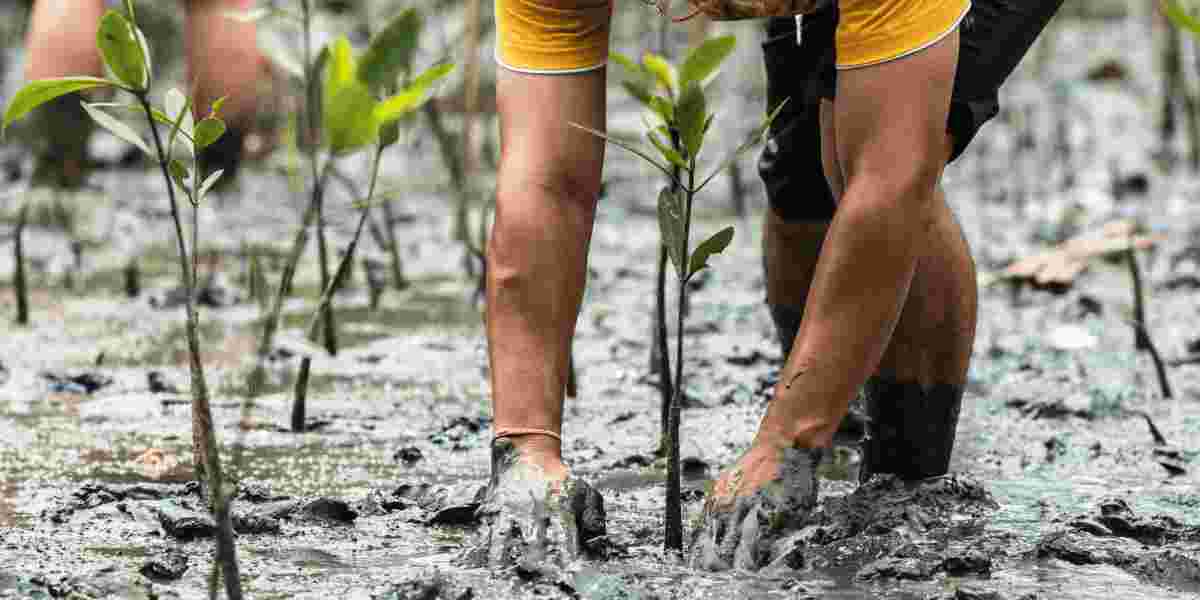
 We offer Danish travelers a unique opportunity to experience Kenya in an entirely new way, through Food Security Safaris. These safaris are not ordinary tours; they are immersive educational journeys that bring visitors face-to-face with Kenya’s thriving sustainable agriculture movement. Designed to blend exploration, learning, and cultural exchange, these safaris give Danish visitors an authentic connection to local farming communities and an in-depth understanding of how Kenya is addressing food security through innovation and sustainability. Our food security safaris cater specifically to travelers from Denmark who are seeking meaningful and responsible travel experiences. Rather than focusing solely on wildlife or leisure, we introduce participants to Kenya’s vibrant network of small-scale farmers, cooperatives, and regenerative agriculture projects. Through guided visits and interactive sessions, travelers engage directly with local farmers, agronomists, and community leaders who are at the forefront of sustainable farming practices. This firsthand exposure helps Danish guests learn how these farmers are building resilience against climate change and improving food systems at the grassroots level. The safaris highlight Kenya’s diverse agricultural landscapes, from highland tea and coffee farms to dryland innovation hubs where local farmers experiment with drought-resistant crops and water conservation techniques. We structure each journey to provide a comprehensive understanding of how sustainability is integrated into everyday farming operations. Participants witness the use of organic fertilizers, crop diversification, renewable energy on farms, and community-led approaches to soil regeneration. These experiences align closely with Denmark’s own commitment to environmental stewardship, making the safaris especially appealing to environmentally conscious travelers. Our service is built around authentic interaction and mutual learning. Danish visitors do not just observe, they participate. Activities may include planting sessions, farm-to-table meal experiences, or attending local agricultural workshops. Each engagement promotes knowledge exchange, allowing visitors to share Denmark’s advancements in sustainable agriculture while appreciating Kenya’s indigenous techniques that emphasize resource efficiency and community resilience. Through this exchange, both cultures benefit, fostering long-term understanding and cooperation in sustainable food production. Moreover, our Food Security Safaris promote responsible tourism by ensuring that local communities directly benefit from each visit. Revenue from these safaris supports farm cooperatives, women’s groups, and youth initiatives engaged in eco-friendly farming and food security programs. We take pride in ensuring that each safari leaves a positive impact, socially, economically, and environmentally. For Danish travelers, these journeys go beyond simple sightseeing. They provide a platform to explore solutions to global food challenges while enjoying Kenya’s scenic beauty and cultural warmth. The combination of education, community engagement, and sustainability makes these safaris a transformative travel experience. Through our tours, we invite Danish travelers exploring Kenya’s sustainable farms through food security safaris.
Overview of Key Aspects of Food Security Safaris in Kenya for Danish Travelers
| Topic | Details |
|---|---|
| Key Regions in Kenya | Central Highlands, Rift Valley, Western Kenya, and Laikipia conservancies |
| Types of Farms | Organic vegetable farms, dairy cooperatives, permaculture sites, agroforestry farms |
| Duration | 7–12 days typically, depending on itinerary customization |
| Key Learning Points | Regenerative agriculture, soil health, seed banking, sustainable irrigation |
| Who Hosts the Safaris | NGOs, farmer cooperatives, and eco-tourism providers like Homejoy Safari Adventures |
| Ideal for | Students, researchers, conscious travelers, and Danish NGOs |
Danish Travelers Exploring Sustainable Farming Tours in Kenya
 Kenya has increasingly emerged as a leading destination for Danish travelers who want more than the conventional safari. Today’s Danish visitor is well-informed, environmentally conscious, and motivated by the desire to make a positive global impact. Specializing in responsible travel experiences, we have observed a growing interest among Danish guests who seek to engage with Kenya’s agricultural communities. These travelers are not just tourists; they are learners, collaborators, and advocates for sustainability. Through our sustainable farming tours, we offer an opportunity to explore Kenya’s rich farming systems while contributing to the broader conversation on ecological balance and food security. Our tours are designed to showcase Kenya’s agricultural diversity and the local innovations driving environmental regeneration. Danish travelers joining our programs experience first-hand how farmers across different regions of Kenya are adopting climate-smart practices such as crop diversification, organic soil management, water harvesting, and agroforestry. These methods are not theoretical concepts, they are everyday realities that sustain livelihoods, protect ecosystems, and ensure long-term food resilience. We work closely with smallholder farmers, cooperatives, and local experts to create learning journeys that connect Danish participants directly with the people shaping Kenya’s sustainable future. Unlike traditional sightseeing, these tours are deeply immersive. Participants engage in field visits, farm-based training sessions, and community discussions that highlight the value of local knowledge. Danish travelers gain practical insights into how regenerative agriculture is transforming both productivity and sustainability. The experiences are structured to combine education, exchange, and meaningful participation, elements that align perfectly with Denmark’s strong culture of sustainability and innovation. Our service focuses on facilitating genuine interaction rather than observation, allowing visitors to actively contribute to and learn from real agricultural initiatives. The appeal for Danish travelers lies not only in Kenya’s scenic beauty but also in its resilience. Kenya’s agricultural communities demonstrate adaptability and creativity in addressing climate change, soil degradation, and food scarcity. Through these farming tours, our guests witness solutions in action: women-led agribusiness projects, youth-driven permaculture ventures, and community seed banks that preserve indigenous crop varieties. Every encounter emphasizes shared global responsibility and collective progress toward a more secure and sustainable food system. We ensure that every tour supports local economies and minimizes environmental impact. Our model emphasizes ethical partnerships, fair compensation, and reinvestment in rural development projects. This responsible approach has made our Sustainable Farming Tours especially attractive to Danish travelers who want to align their vacations with their values. Essentially, Danish travelers exploring sustainable farming tours in Kenya are participating in a transformative journey, one that links ecological awareness with cultural exchange. Through our carefully curated programs, they discover not only the story of Kenyan farming but also their own role in advancing sustainability worldwide. For us, facilitating this bridge between Denmark and Kenya is more than tourism; it is our contribution to a global movement for responsible travel and sustainable living.
Why Do Danish Travelers Visit Kenya’s Sustainable Farms?
The reason why Danish travelers explore Kenya’s sustainable farms through eco-tourism is because it is a destination for meaningful, educational, and purpose-driven travel. Specializing in sustainable travel experiences, we have seen growing interest from Denmark, a country recognized globally for its leadership in green energy, environmental responsibility, and innovative sustainability models. These visitors are not just tourists; they are active learners seeking practical exposure to how sustainable farming works in regions facing real climate challenges.
Relevance to Danish Sustainability Goals
Denmark is one of the world’s pioneers in renewable energy, eco-friendly policies, and sustainable food systems. However, Danish travelers are aware that global sustainability must be inclusive, adaptable, and grounded in diverse realities. Kenya offers them a chance to experience how sustainability functions in a context of limited resources and climate unpredictability. These visits allow Danish participants to see how regenerative agriculture operates outside the framework of advanced technology, relying instead on creativity, collaboration, and indigenous knowledge. Our Kenya sustainable farming programs give Danish visitors firsthand exposure to farming systems that thrive despite environmental constraints. This experience offers a valuable contrast and complement to Denmark’s highly mechanized green sector, demonstrating that sustainability can also succeed through resilience, tradition, and low-cost innovation.
What Danish Visitors Learn
Through our guided programs, participants interact directly with local farmers, cooperatives, and agricultural innovators who use regenerative techniques to restore soil fertility, conserve water, and enhance biodiversity. Danish travelers gain practical knowledge that can inform community projects and academic research back home. Key learning outcomes include:
- Understanding regenerative agriculture: How Kenyan farmers restore degraded soils and increase yields without relying on synthetic inputs.
- Learning climate adaptation strategies: Exposure to farming methods designed for unpredictable rainfall and rising temperatures
- Exploring food sovereignty practices: Discovering how self-sufficient farming models strengthen communities and reduce dependency on imports.
- Integrating indigenous knowledge: Observing how local wisdom contributes to sustainability through crop diversity and ecosystem harmony.
- Connecting low-cost methods with high-tech innovation: Identifying how Kenyan and Danish models can align for greater global impact.
These trips are more than educational tours; they are structured exchanges that foster mutual respect and cooperation. Danish participants engage in field discussions, workshops, and cultural experiences that reveal how agriculture, climate, and community are interconnected. The conversations that emerge from these interactions often continue beyond the trip, sparking research collaborations, policy discussions, and new sustainability initiatives. Our mission is to create sustainable travel opportunities that deliver both academic and emotional value. A Kenya sustainable farming safari for Danish food security visitors is not only an academic pursuit, it is a transformative journey that broadens global perspectives. Participants return home with applied insights, a deeper understanding of real-world sustainability, and lasting connections with Kenyan communities. By choosing educational eco-tours in Kenya for Danish travelers interested in food security, tourists support ecological preservation, empower local farmers, and contribute to an ongoing international dialogue on food security and climate resilience. These visits represent relevance in action, where theory meets practice, and where learning drives global sustainability forward.
Eco-Friendly Kenyan Farm Visits for Danish Tourists
 We specialize in creating meaningful and sustainable travel guides for Danish tourists through eco-friendly Kenyan farm visits. These visits are designed to offer an authentic, educational, and environmentally responsible alternative to conventional tourism. Rather than focusing on sightseeing alone, our farm programs immerse visitors in Kenya’s thriving green agriculture movement, connecting them directly with local farmers, cooperatives, and community projects that embody sustainability in action. Our eco-farm experiences are part of an emerging trend. This approach redefines travel by combining cultural exploration with hands-on participation in sustainable farming initiatives. Danish travelers who join these visits become active participants in Kenya’s agricultural transformation. They engage with farmers who are developing low-cost, climate-resilient methods to grow food efficiently while protecting the environment. From soil conservation to organic pest control, every aspect of the farm experience highlights real practices that support long-term food security and environmental balance. During our guided farm tours, visitors interact directly with experts and community members working on innovative agricultural projects. We organize workshops, demonstrations, and learning sessions where guests can observe practical techniques for composting, irrigation management, seed preservation, and renewable energy use on small farms. These encounters provide valuable insights into how Kenyan communities are adapting to changing climate conditions while maintaining productivity and biodiversity. For Danish visitors interested in sustainability, education, or global development, these farm visits offer concrete examples of how grassroots innovation can deliver real results. We emphasize active engagement over passive observation. Every program is structured to ensure that participants gain a firsthand understanding of Kenya’s farming systems, environmental challenges, and solutions that are both replicable and inspiring. By taking part in daily farming activities, visitors witness the direct impact of eco-friendly methods on food quality, soil health, and community livelihoods. Our goal as a service provider is to create experiences that promote awareness, respect, and cooperation between Danish guests and Kenyan hosts. Beyond learning, these eco-friendly farm visits contribute to local development. A significant portion of the program fees supports community projects such as tree planting, farmer training, and water conservation. This ensures that each visit leaves a positive footprint while enhancing the livelihoods of small-scale farmers. The model allows tourists to make a tangible difference while gaining professional and personal enrichment that extends far beyond their stay. For Danish organizations, NGOs, and educators, these farm tours serve as a practical case study in sustainable development and global collaboration. Participants return home with not just memories, but actionable knowledge that can inspire change within their own communities. Needless to mention, our eco-friendly Kenyan farm visits for Danish tourists deliver a purposeful travel experience built on sustainability, education, and ethical engagement. Through these journeys, we provide Danish travelers the opportunity to explore Kenya responsibly, learn from its environmental innovators, and build lasting connections that support a greener future for all.
How do Danish Travelers Help Advance Food Security by Visiting Sustainable Farm Safaris in Kenya?
We believe that travel should go beyond sightseeing, it should foster knowledge exchange, empower communities, and promote long-term sustainability. Travelers who join Danish tourist groups exploring Kenya's sustainable agriculture via food security safaris play a critical role in advancing food security through responsible, educational, and collaborative travel experiences. These safaris are designed to link tourism with tangible development outcomes, transforming guests into active contributors to Kenya’s agricultural resilience. Our Food Security Safaris are not just vacations; they are structured learning journeys that bring together Danish visitors, Kenyan farmers, researchers, and local enterprises. Each itinerary is carefully curated to connect global understanding with local solutions in sustainable farming, permaculture, and agroforestry. As a service provider, we take pride in facilitating meaningful partnerships that benefit both travelers and host communities. Danish participants help strengthen Kenya’s food systems in multiple ways:
- Knowledge Exchange: Travelers engage directly with smallholder farmers, cooperatives, and community-based organizations. By sharing experiences from Denmark’s successful agricultural models and learning local practices, both sides benefit from cross-cultural understanding.
- Research and Data Collection: Many Danish universities and NGOs use these safaris as field-learning platforms. Students and professionals conduct studies on soil health, crop diversification, water management, and rural enterprise development, insights that inform global strategies for sustainable agriculture.
- Support for Local Economies: Visitors stay in locally owned accommodations, eat farm-to-table meals, and purchase goods directly from producers. This model ensures economic benefits remain in the communities, improving livelihoods and promoting fair-trade principles.
- Hands-On Participation: Guests take part in daily farm activities such as composting, planting indigenous crops, or managing permaculture gardens. These practical experiences not only build awareness but also help implement environmentally sound techniques.
- Ethical Engagement: Every safari emphasizes respect for culture, environment, and human dignity. Our approach eliminates performative tourism and replaces it with genuine connections built on transparency and shared purpose.
Our itineraries are tailored to suit:
- Researchers and Academic Institutions – seeking field-based data and collaboration opportunities
- Non-Governmental Organizations (NGOs) – working to integrate local knowledge into global food security programs
- Volunteers and Ethical Travelers – eager to contribute meaningfully while exploring Kenya’s natural and cultural heritage
Each journey combines comfort, cultural immersion, and purposeful engagement. We ensure that guests enjoy well-managed homestays, nutritious organic meals, and access to authentic experiences without unnecessary luxury or artificial performances. Our model guarantees that every participant leaves with deeper insight into sustainable agriculture and Kenya’s role in shaping Africa’s food security future. Relevantly, Danish travelers advance food security in Kenya by learning, sharing, and supporting through our sustainable farm safaris. We facilitate food security safaris in Kenya for Danish travelers exploring sustainable farms, where every visit strengthens community resilience and contributes to a more sustainable world.
Food Security Safari Promoting Sustainable Agriculture in Kenya
 We proudly offer the Food Security Safari, an immersive travel experience designed to promote sustainable agriculture in Kenya while engaging Danish travelers in meaningful, educational journeys. This program goes beyond traditional tourism by creating direct links between travelers and Kenyan farming communities that are pioneering innovative, environmentally responsible practices. As the service provider, we have designed the safari to merge cultural discovery with hands-on participation in sustainable food systems, allowing visitors to witness firsthand how Kenyan farmers are shaping the future of food security. Kenya is at the forefront of community-driven agricultural innovation, and our safaris highlight this progress through structured learning and collaboration. Each itinerary is carefully curated to showcase real examples of resilience, from smallholder farmers implementing regenerative techniques to cooperatives investing in seed diversity and organic soil management. Participants engage directly with these local experts, gaining valuable knowledge about climate-smart agriculture, resource optimization, and sustainable food production. The safari emphasizes practical learning, enabling Danish guests to understand and contribute to initiatives that strengthen local food chains and reduce environmental impact. For Danish travelers, who come from a country recognized for leadership in green innovation and sustainable living, this safari offers a unique platform for mutual exchange. Visitors are encouraged to share ideas, participate in fieldwork, and explore how both nations approach sustainability challenges. These interactions help build cross-cultural partnerships that extend beyond the journey itself. As the service provider, we facilitate these engagements to ensure that every participant leaves with deeper insights into both global and local sustainability practices. Our safaris also directly support Kenyan communities. Every visit contributes to local economic growth through fair compensation, training support, and investment in community projects. Guests visit demonstration farms, women’s cooperatives, and water-harvesting initiatives that are reshaping Kenya’s agricultural landscape. This model ensures that tourism revenue promotes lasting impact, empowering rural families, improving food resilience, and fostering long-term sustainability. In addition to on-site experiences, we incorporate guided discussions and expert sessions that focus on global food systems, innovation in sustainable farming, and the role of education in promoting responsible consumption. These sessions encourage travelers to reflect on how their experiences in Kenya can inspire similar initiatives in their home communities. Through this structured approach, our safaris serve as both a learning platform and a model for responsible travel that bridges cultures through sustainability. Ultimately, food security safari promoting sustainable agriculture in Kenya is more than a trip, it is a practical contribution to a shared vision of a sustainable food future. Danish participants return home with a deeper understanding of regenerative agriculture and a renewed commitment to supporting global cooperation in food security. We remain dedicated to creating meaningful, purpose-driven travel experiences that strengthen partnerships between Kenya and Denmark while promoting sustainable agriculture at every level.
What Are the Benefits of a Kenya Sustainable Agriculture Food Security Safari for Danish Tourist Groups?
As a service specializing in facilitating Kenya sustainable farming safaris for Danish food security visitors, we deliver an unmatched experience designed to merge practical learning with responsible tourism. For Danish tourist groups, these safaris offer a direct and tangible opportunity to witness how Kenya is leading in regenerative agriculture and food system innovation. Unlike conventional sightseeing tours, our programs provide hands-on engagement with successful smallholders, cooperatives, and agri-entrepreneurs who are pioneering sustainability in real-world conditions. The primary goal of these safaris is to bridge the gap between agricultural innovation and global understanding, giving Danish travelers a front-row seat to authentic, replicable solutions in sustainable food production. Through carefully curated field visits, interactive workshops, and farm-based demonstrations, participants learn how local communities adapt to climate challenges while maintaining food security and economic growth. Key benefits include;
- Applied Learning in Real Environments: Our safaris turn Kenya’s diverse farms into dynamic classrooms. Danish travelers are not passive observers; they take part in discussions, soil conservation activities, composting, and water-harvesting demonstrations. This applied learning approach exposes visitors to tested models of sustainable agriculture that can inspire and inform similar initiatives in Denmark. The result is a meaningful transfer of knowledge that bridges continents and strengthens mutual resilience in food systems.
- Bilateral Cultural Exchange: The program fosters open dialogue between Kenyan farmers and Danish participants, emphasizing shared values around sustainability, innovation, and community-driven progress. This two-way learning experience builds long-term professional and cultural relationships. Danish groups often return home with new insights and collaborative possibilities, from student exchanges to farm-to-farm partnerships, promoting a sustainable future that benefits both nations.
- Empowerment Through Education: Every safari is structured to empower both guests and hosts through education. For travelers, it is an opportunity to learn about the practical aspects of regenerative farming and local adaptation strategies. For the Kenyan communities, the interaction provides exposure to international perspectives, creating mutual inspiration. As a result, participants on both sides gain renewed motivation to apply sustainable solutions in their respective contexts.
- Conservation and Community Development Support: A portion of each safari’s proceeds directly supports local conservation and agricultural resilience projects. By participating, Danish tourists contribute to soil restoration, tree planting, and water management programs that sustain rural livelihoods. These contributions have measurable impacts, ensuring that tourism dollars create long-term value rather than short-term experiences.
- Experiential and Lasting Impact: Unlike conferences or academic discussions, our safaris are built on lived experiences. The farms, cooperatives, and projects visited serve as “living laboratories,” where visitors see sustainability in motion. The sensory, hands-on nature of the experience creates a deeper understanding and a personal connection to global food challenges, leaving travelers both informed and inspired to act.
Needless to say, Kenya's sustainable farm safari for Danish travelers advancing food security is not just a travel experience, but also a purposeful journey that combines education, collaboration, and impact. For Danish tourist groups, it offers a rare opportunity to witness and participate in sustainable transformation, ensuring every visit contributes to food security, conservation, and global learning.
FAQs on Visitors from Denmark Exploring Sustainable Farms in Kenya
We understand that Danish visitors are increasingly interested in meaningful travel that goes beyond leisure to include learning, sustainability, and cultural exchange. This section provides comprehensive answers to the most common questions we receive from travelers in Denmark who wish to explore Kenya’s sustainable farms. Our goal is to help visitors make informed decisions about their travel plans, safety, and expectations when participating in our Food Security Safaris, a unique experience designed to link sustainability with adventure.
- How do Danish travelers benefit from visiting Kenyan sustainable farms? Danish travelers visiting Kenya’s sustainable farms gain first-hand exposure to practical, community-driven agricultural systems. These farms showcase low-input yet high-impact farming methods that emphasize soil health, water conservation, and crop diversity. Visitors learn how smallholder farmers are building food resilience and adapting to climate change using affordable and locally available resources. These lessons resonate strongly with Denmark’s environmental priorities and climate-smart strategies. By observing how Kenyan farmers implement sustainable models in challenging conditions, Danish academics, policymakers, and NGO professionals can draw insights applicable to their own work. This form of experiential learning fosters international collaboration and strengthens the shared goal of achieving sustainable global food systems.
- Is a Food Security Safari different from a regular safari? A Food Security Safari is a specialized form of educational travel offered by our organization. Unlike a traditional safari that focuses primarily on wildlife and nature viewing, this experience centers on sustainability, agriculture, and rural innovation. Participants engage directly with farmers, cooperatives, and agricultural experts who explain how local food systems operate and how communities are achieving self-sufficiency. Travelers can expect guided farm tours, field demonstrations, and discussions about organic farming, renewable energy use, and sustainable value chains. This approach turns a holiday into a purposeful journey, one that connects visitors to the people and practices shaping Africa’s agricultural future.
- Can a wildlife safari be combined with a Food Security Safari in Kenya? As the service provider, we offer hybrid packages that combine the best of both worlds. Travelers can spend part of their trip visiting active farm projects and the remainder exploring Kenya’s iconic wildlife destinations, including national parks and private conservancies. These customized itineraries allow guests to experience Kenya’s ecological diversity while gaining insight into sustainable farming systems. Whether you prefer a few days of farm immersion followed by game drives or a full itinerary blending both experiences, we tailor every package to suit your interests, schedule, and budget.
- Are Food Security Safaris safe for travelers from Denmark? We prioritize safety, comfort, and cultural sensitivity throughout the journey. Our team conducts comprehensive safety briefings, provides Danish or English-speaking translators, and ensures that all accommodations meet international hospitality standards. Visitors are accompanied by experienced guides and agricultural specialists who are familiar with the local communities and terrain. From airport transfers to daily logistics, every detail is handled professionally to ensure a smooth and secure experience. We maintain close communication with local authorities and health facilities, giving travelers peace of mind as they explore Kenya’s sustainable farming landscapes.
We are dedicated to offering Danish visitors a safe, educational, and transformative experience through our Food Security Safaris. By combining sustainability, culture, and adventure, we help travelers from Denmark connect deeply with Kenya’s agricultural innovation and contribute to a shared global vision of sustainable food security.